WHO Declares End to Global Hantavirus Outbreak Traced to Cruise Ship
The World Health Organization (WHO) has declared an end to the hantavirus outbreak that was linked to a cruise ship, following the final quarantine of the last identified contact and their…
By Global Focus Wire Desk
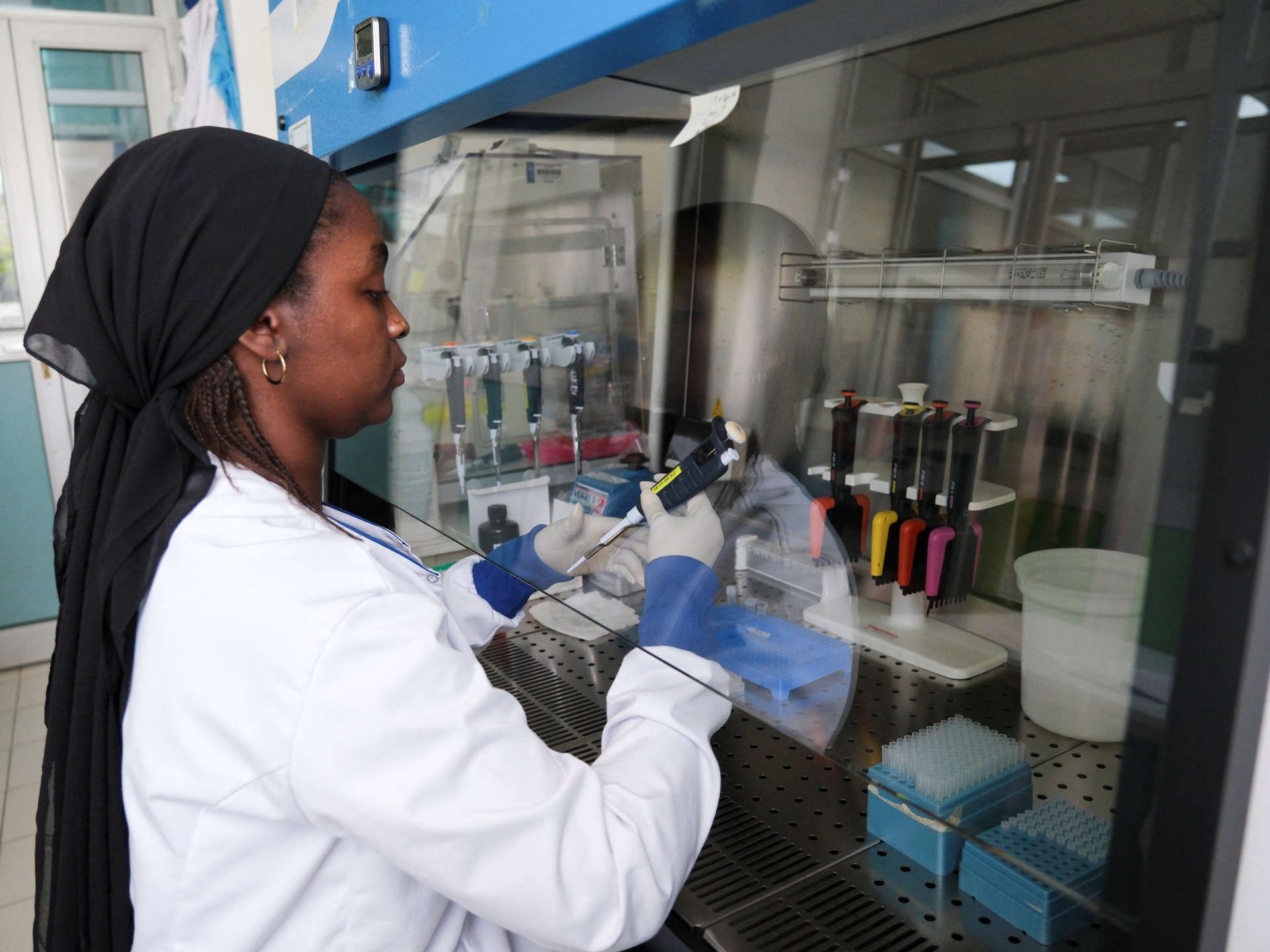
The World Health Organization (WHO) has declared an end to the hantavirus outbreak that was linked to a cruise ship, following the final quarantine of the last identified contact and their subsequent negative test results for the virus. The outbreak, which began on April 1 when the MV Hondius set sail from Argentina, infected 13 people and resulted in three deaths. This rare strain of the Andes hantavirus, typically found in Argentina and Chile, was reported to have circulated among passengers during the voyage. After visiting remote islands in the South Atlantic Ocean, including Tristan da Cunha, the ship eventually docked in Rotterdam, Netherlands on May 18. Following cleaning and disinfection, the ship resumed sailing on May 30. Over 650 contacts were identified and followed up by health authorities in 33 countries and territories. The WHO will continue to investigate the outbreak and the virus itself, with a coordinated study involving 21 countries planned to better understand the disease's development for future prevention strategies. Hantaviruses primarily spread through rodents but can become airborne during cleaning of infested areas, with the Andes virus being the only known strain capable of human-to-human transmission under close and prolonged contact. Symptoms typically appear one to eight weeks after exposure, including fever, headache, muscle aches, gastrointestinal issues, and in severe cases, rapid progression to coughing, shortness of breath, and lung fluid accumulation. Currently, there are no approved vaccines or targeted antiviral treatments for the disease, with care primarily supportive.
Filed underScience & Health
More stories
Science & Health
Massachusetts Judge Rejects Motion to Dismiss Murder Case Against Lindsay Clancy, Allowing Prosecution to Pursue Retrial
— Global Focus Wire Desk
Science & Health
Severe Air Quality Crisis Engulfs New Delhi After Diwali Firecracker Use
— Global Focus Wire Desk
Science & Health
Krakow Mass Shooting Perpetrator Dies in Hospital, Officially Confirmed by Police
— Global Focus Wire Desk
Science & Health
French Court Recognizes Cosmic Radiation as Factor in Flight Attendant's Breast Cancer
— Global Focus Wire Desk
Science & Health
Tragic Death of Frankfurt Airport Worker Due to Rare Malaria Outbreak Linked to Air Travel
— Global Focus Wire Desk
Science & Health
Deadly Fire at Pakistani Hospital Claims Lives of 14 Newborn Babies
— Global Focus Wire Desk