Severe Air Quality Crisis Engulfs New Delhi After Diwali Firecracker Use
New Delhi, India's capital city with over 30 million residents, is currently experiencing a severe air quality crisis, as heavy smog has enveloped the metropolis following the Diwali celebrations.
By Global Focus Wire Desk
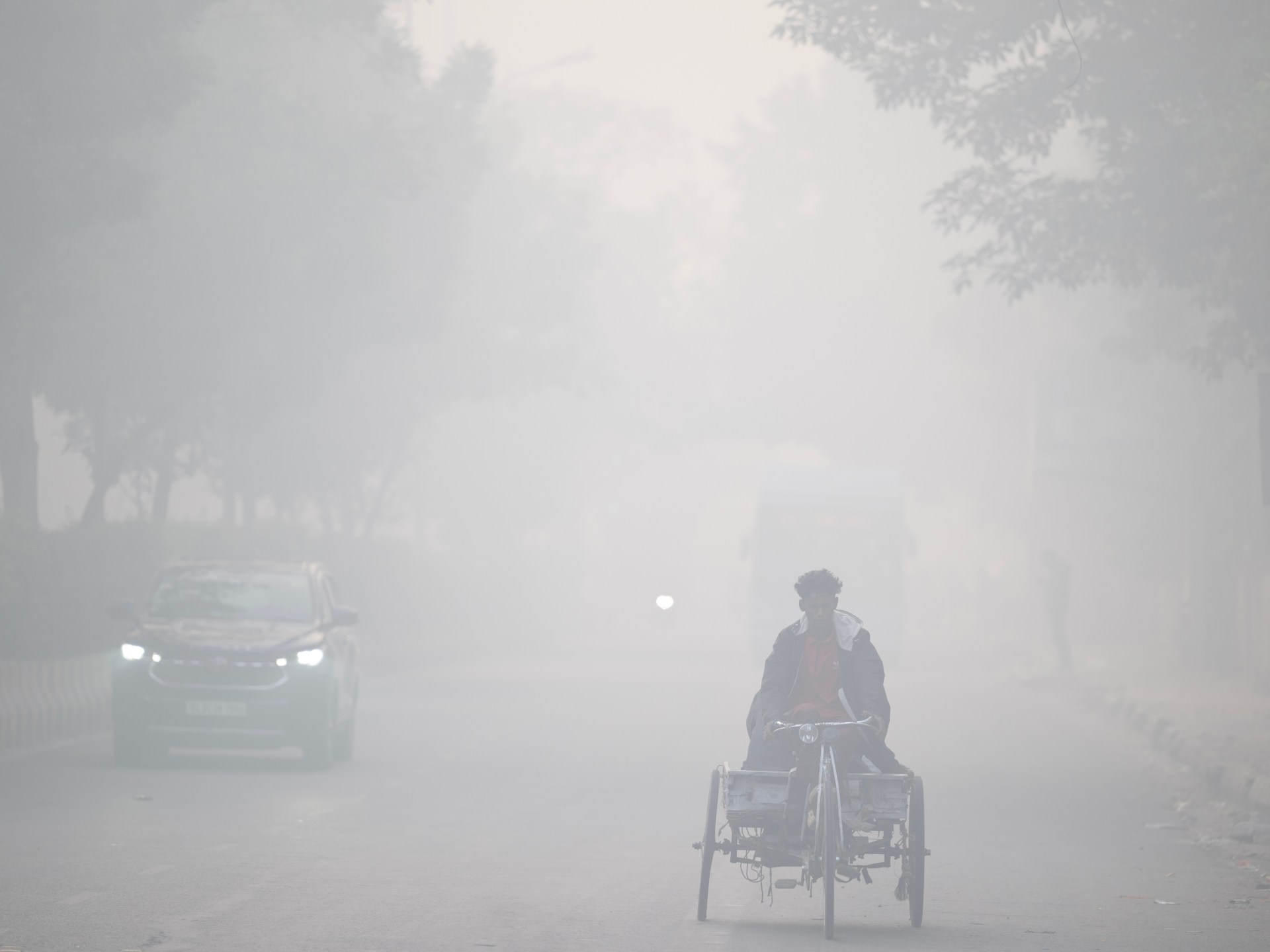
New Delhi, India's capital city with over 30 million residents, is currently experiencing a severe air quality crisis, as heavy smog has enveloped the metropolis following the Diwali celebrations. The Hindu festival of lights, celebrated on Sunday, saw numerous firecracker displays throughout the evening, exacerbating the existing pollution problem. On Monday morning, the Air Quality Index exceeded 350 in several parts of the capital, categorized as "severe" and posing significant health risks, according to the World Health Organization's (WHO) recommended exposure thresholds. Despite India's Supreme Court imposing restrictions on Diwali pollution earlier this month, allowing only approved "green firecrackers" for limited hours, toxic air pollution levels in New Delhi surged more than 30 times the WHO's recommended daily limit days before the festival. The persistent air quality issues are particularly acute during the winter months when cooler temperatures, low wind speeds, and stagnant atmospheric conditions hinder pollutant dispersal. Vehicles account for a quarter of New Delhi's winter pollution, while biomass burning, including farm stubble fires, contributes around 20 percent, according to India's Ministry of Environment, Forest and Climate Change. The result is a thick haze that can persist over the capital and surrounding areas for several days.
Filed underScience & Health
More stories
Science & Health
Massachusetts Judge Rejects Motion to Dismiss Murder Case Against Lindsay Clancy, Allowing Prosecution to Pursue Retrial
— Global Focus Wire Desk
Science & Health
Krakow Mass Shooting Perpetrator Dies in Hospital, Officially Confirmed by Police
— Global Focus Wire Desk
Science & Health
French Court Recognizes Cosmic Radiation as Factor in Flight Attendant's Breast Cancer
— Global Focus Wire Desk
Science & Health
Tragic Death of Frankfurt Airport Worker Due to Rare Malaria Outbreak Linked to Air Travel
— Global Focus Wire Desk
Science & Health
Deadly Fire at Pakistani Hospital Claims Lives of 14 Newborn Babies
— Global Focus Wire Desk
Science & Health
Tragedy in Pakistan's Capital: Fire at Government Hospital Nursery Claims Lives of At Least 14 Newborns
— Global Focus Wire Desk