Unveiling the Enigma of John Dickinson: The Founding Father Who Refused to Sign the Declaration of Independence
Two and a half centuries after the Declaration of Independence was signed, the legacy of John Dickinson, a prominent lawyer, statesman, and writer of the Revolutionary era, remains enshrouded in…
By Global Focus Wire Desk
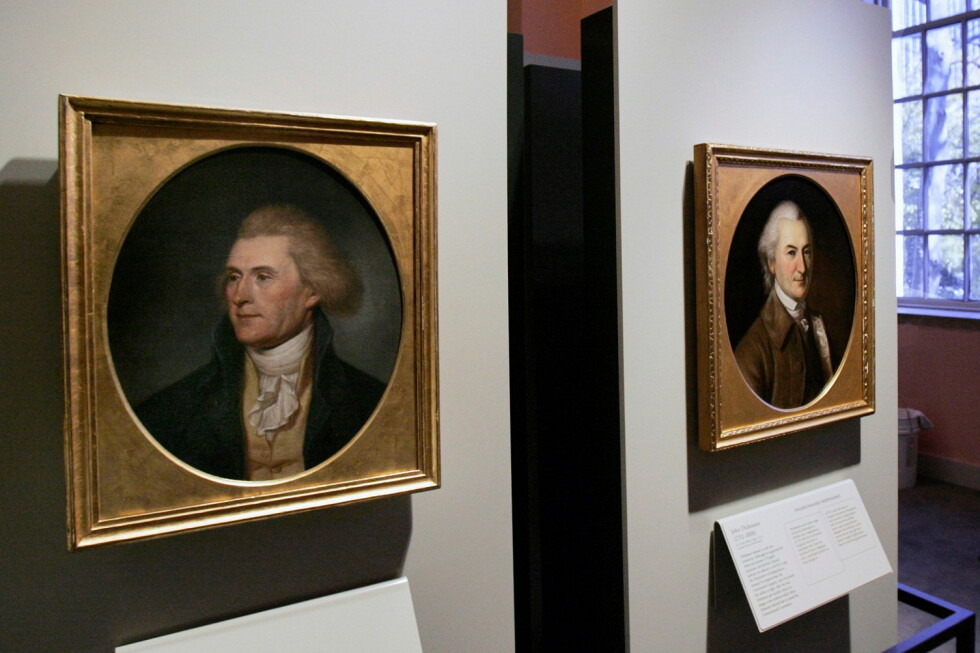
Two and a half centuries after the Declaration of Independence was signed, the legacy of John Dickinson, a prominent lawyer, statesman, and writer of the Revolutionary era, remains enshrouded in controversy. Born in Maryland but primarily associated with Delaware and Pennsylvania, Dickinson was once hailed as one of the most important founders due to his influential works such as "Letters from a Farmer in Pennsylvania" and "The Liberty Song." However, his decision to abstain from signing the Declaration of Independence in 1776 has cast a long shadow over his reputation. Although Dickinson was not opposed to independence per se, he believed it should be achieved gradually without bloodshed and without compromising the rights of religious dissenters, particularly Quakers. Today, on the 250th anniversary of American independence, scholars like Jane Calvert, a former associate professor at the University of Kentucky, are championing Dickinson's legacy, challenging the lingering image of a man who has often been ignored, ridiculed, or sidelined. Despite his omission from popular narratives of the American Revolution and caricatured portrayals in media, Dickinson continued to serve his country after independence was declared, contributing significantly to the Articles of Confederation, the U.S. Constitution, and state governments. As the namesake of the first college chartered post-independence, Dickinson's influence on American history cannot be overlooked. While some historians argue that Dickinson's decision not to sign the Declaration should not diminish his other achievements, others contend that he belongs among the elite of founders alongside figures such as Thomas Jefferson and John Adams.
Filed underScience & Health
More stories
Science & Health
Massachusetts Judge Rejects Motion to Dismiss Murder Case Against Lindsay Clancy, Allowing Prosecution to Pursue Retrial
— Global Focus Wire Desk
Science & Health
Severe Air Quality Crisis Engulfs New Delhi After Diwali Firecracker Use
— Global Focus Wire Desk
Science & Health
Krakow Mass Shooting Perpetrator Dies in Hospital, Officially Confirmed by Police
— Global Focus Wire Desk
Science & Health
French Court Recognizes Cosmic Radiation as Factor in Flight Attendant's Breast Cancer
— Global Focus Wire Desk
Science & Health
Tragic Death of Frankfurt Airport Worker Due to Rare Malaria Outbreak Linked to Air Travel
— Global Focus Wire Desk
Science & Health
Deadly Fire at Pakistani Hospital Claims Lives of 14 Newborn Babies
— Global Focus Wire Desk