Rapid Mission Deployed to Retrieve NASA's Swift Observatory from Earth's Grasp
In a high-stakes operation, a three-armed spacecraft named Link, launched by Katalyst Space Technologies and propelled into orbit by Northrop Grumman's Pegasus rocket, is on a mission to rescue the…
By Global Focus Wire Desk
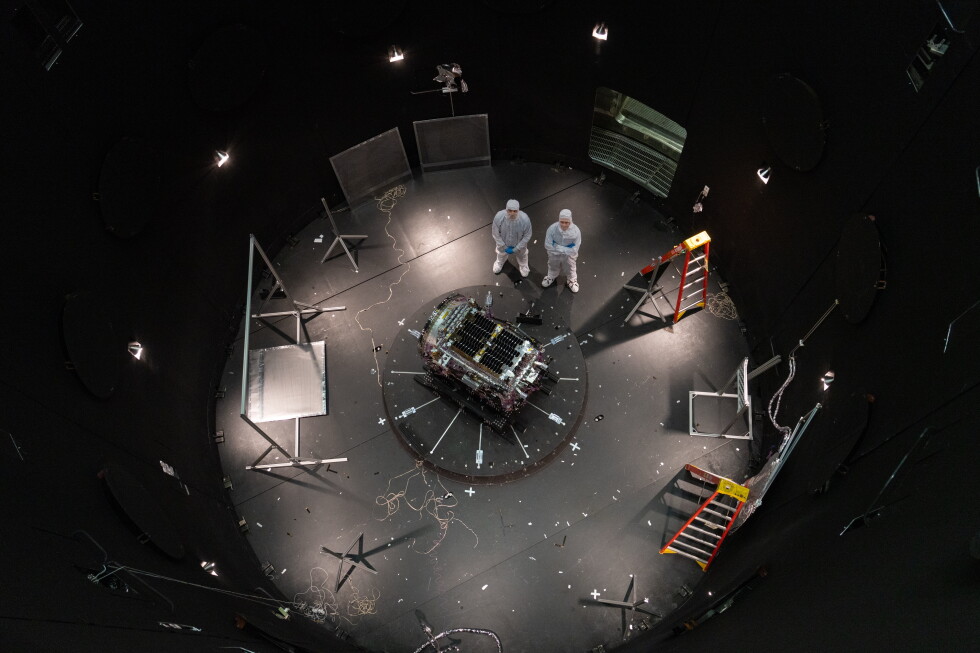
In a high-stakes operation, a three-armed spacecraft named Link, launched by Katalyst Space Technologies and propelled into orbit by Northrop Grumman's Pegasus rocket, is on a mission to rescue the ailing NASA Swift Observatory. The telescope, which was launched in 2004 and has been monitoring some of the universe's most significant explosions like gamma ray bursts and supernovae, is plummeting back towards Earth due to recent solar storms. The swift mission, which took only nine months to assemble, aims to raise Swift's altitude by 150 miles (240 kilometers), allowing it to continue its vital observations. NASA has allocated $30 million for the recovery effort. The telescope is currently orbiting at an altitude of 224 miles (360 kilometers) above Earth, and if successful, it could be back in operation by September. If not rescued, Swift is predicted to plunge to its destruction in October due to increased atmospheric drag caused by the sun's outbursts. NASA's Hubble Space Telescope may also require a similar salvage operation in the future as it too is experiencing altitude loss due to solar storms.
Filed underScience & Health
More stories
Science & Health
Massachusetts Judge Rejects Motion to Dismiss Murder Case Against Lindsay Clancy, Allowing Prosecution to Pursue Retrial
— Global Focus Wire Desk
Science & Health
Severe Air Quality Crisis Engulfs New Delhi After Diwali Firecracker Use
— Global Focus Wire Desk
Science & Health
Krakow Mass Shooting Perpetrator Dies in Hospital, Officially Confirmed by Police
— Global Focus Wire Desk
Science & Health
French Court Recognizes Cosmic Radiation as Factor in Flight Attendant's Breast Cancer
— Global Focus Wire Desk
Science & Health
Tragic Death of Frankfurt Airport Worker Due to Rare Malaria Outbreak Linked to Air Travel
— Global Focus Wire Desk
Science & Health
Deadly Fire at Pakistani Hospital Claims Lives of 14 Newborn Babies
— Global Focus Wire Desk