Potential Human Cost of U.K.-U.S. Pharmaceutical Agreement Estimated at 229,000 Excess Deaths
A study published in the British Medical Journal (BMJ) has raised concerns that a recent pharmaceutical trade deal between the United Kingdom and United States could lead to approximately 229,000…
By Global Focus Wire Desk
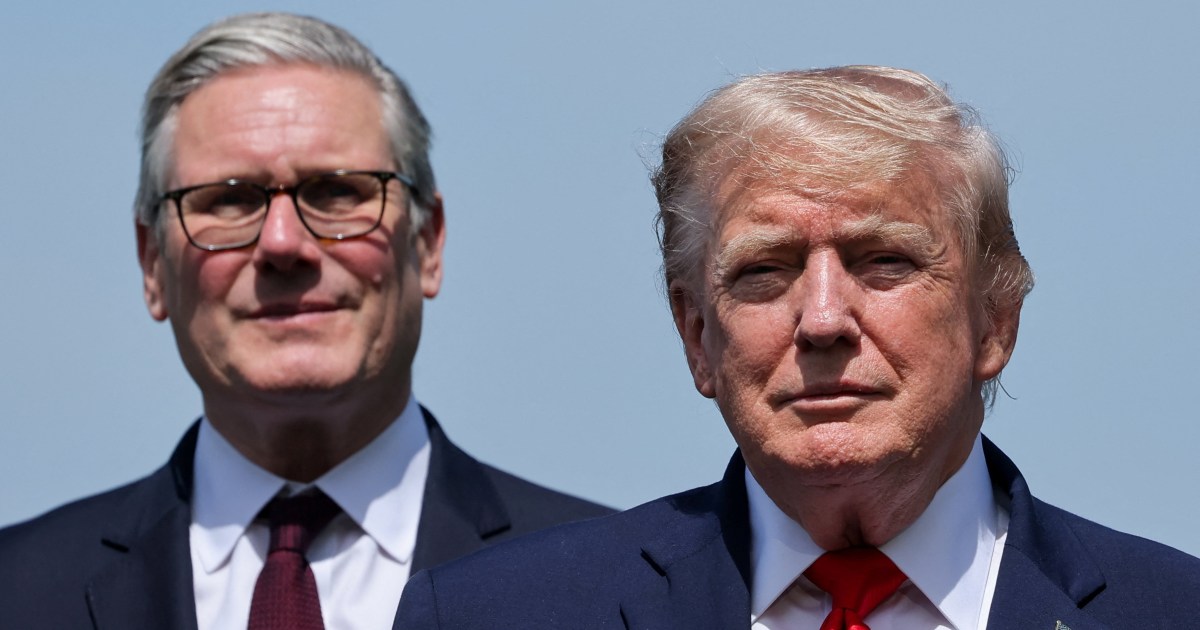
A study published in the British Medical Journal (BMJ) has raised concerns that a recent pharmaceutical trade deal between the United Kingdom and United States could lead to approximately 229,000 excess deaths as a result of funds being diverted away from the National Health Service (NHS). Signed in December 2020, the agreement eliminates tariffs on U.K. pharmaceutical and medical technology exports to the U.S. for three years, with the British government committing to increase NHS spending on new American medicines from 0.3 percent of its gross domestic product (GDP) in 2026 to at least 0.6 percent by 2036. This means medicine spending overall should increase from 10 percent to 12 percent of the NHS budget. Critics argue that this commitment, without a corresponding increase in NHS funding, will create substantial opportunity costs elsewhere, negatively impacting population health. The research, co-authored by Samuel Cross, a professor at the University of Liverpool's department of pharmacology and therapeutics, suggests the agreement primarily benefits pharmaceutical companies at the expense of U.K. patients. Tim Bierley, campaigner at Global Justice Now, contends that the deal risks draining resources from essential NHS services such as recruiting more staff, reducing GP waiting times, and improving hospital care. The study forecasts that if spending targets are met and economic growth continues as expected, the NHS would need to spend an additional 1.3 billion pounds ($1.73bn) per year by 2028, rising to 8.8 billion pounds ($11.74bn) annually by 2036. Over the course of the agreement, this would amount to approximately 44.7 billion pounds ($59.7bn) by the end of 2036. The report also indicates that these costs could result in increased expenses for adult social care and ultimately lead to excess deaths. By 2036, it is likely that this deal will result in around 229,000 excess deaths – more than during the COVID-19 pandemic between March 2020 and June 2022 (137,000). If the indirect effect on adult social care is also considered, the increase in excess deaths could reach 291,000. The study's findings are unsurprising given the existing pressures on the NHS and the large burden of unmet needs in highly cost-effective areas of care. Shortfalls in NHS funding and pharmaceutical pricing are considered opportunity costs in health economics, with the agreement's focus on more expensive branded medicines potentially diverting funds from other essential healthcare services.
Filed underScience & Health
More stories
Science & Health
Massachusetts Judge Rejects Motion to Dismiss Murder Case Against Lindsay Clancy, Allowing Prosecution to Pursue Retrial
— Global Focus Wire Desk
Science & Health
Severe Air Quality Crisis Engulfs New Delhi After Diwali Firecracker Use
— Global Focus Wire Desk
Science & Health
Krakow Mass Shooting Perpetrator Dies in Hospital, Officially Confirmed by Police
— Global Focus Wire Desk
Science & Health
French Court Recognizes Cosmic Radiation as Factor in Flight Attendant's Breast Cancer
— Global Focus Wire Desk
Science & Health
Tragic Death of Frankfurt Airport Worker Due to Rare Malaria Outbreak Linked to Air Travel
— Global Focus Wire Desk
Science & Health
Deadly Fire at Pakistani Hospital Claims Lives of 14 Newborn Babies
— Global Focus Wire Desk