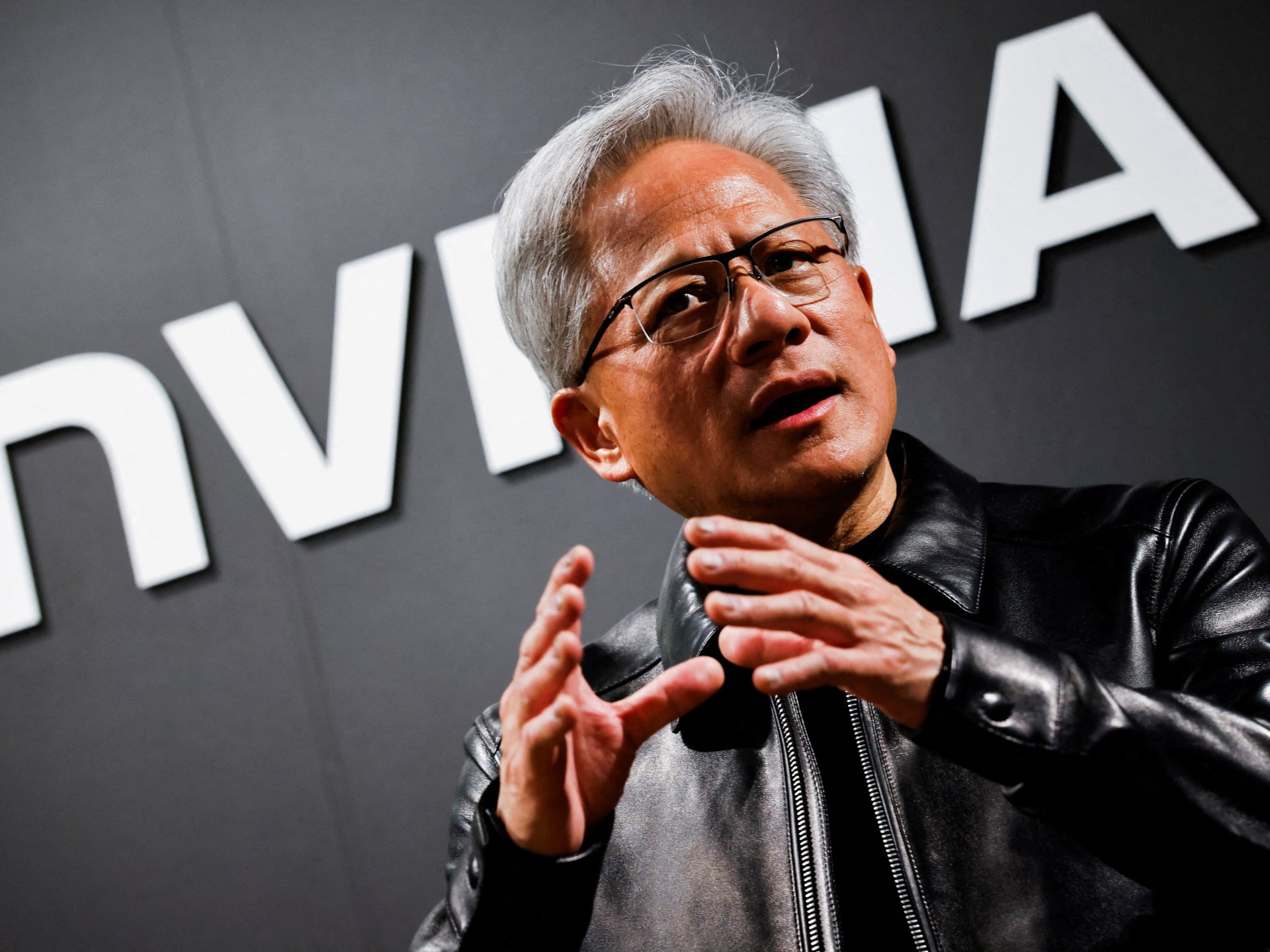
A Chinese university with military ties has reportedly purchased Nvidia's powerful H200 AI chips, despite being on a US export blacklist. The purchase took place last month by Northwestern Polytechnical University, one of China's "Seven Sons of National Defense" group of elite defense-focused universities. According to procurement records, the university acquired two H200 chips for approximately $123,000 from Shaanxi Bosuan Network Technology rather than directly from Nvidia. This purchase comes amidst growing scrutiny in Washington over Nvidia CEO Jensen Huang's alleged ties with Chinese intelligence and his lobbying efforts for looser restrictions on AI chip sales to China. The H200 chips, which are subject to US export license approvals, are among Nvidia's most capable for advanced AI systems.
The university also acquired access this year to H200 chips and other powerful Nvidia AI processors through five contracts for rented computing capacity from Chinese companies, according to the same records. Northwestern Polytechnical, based in Xi'an, conducts research related to military aircraft, missiles, and satellites. The university was added to the US Department of Commerce's trade blacklist, known as the Entity List, in 2001 over allegations of involvement in missile-proliferation activities, and its military research.
This purchase highlights how Chinese institutions with military ties continue to obtain US AI computing power through domestic suppliers, either by buying chips outright or renting access to servers containing them. A review of 26 Chinese procurement and corporate records found similar instances of universities and research institutions acquiring US-restricted Nvidia chips or renting access to Nvidia-powered computing services. Many of these institutions have close ties to China's defense industry or military research.
The US Congress has urged stronger controls on China's access to advanced AI chips, including chip-tracking requirements and greater congressional oversight of exports. This comes at a time when Nvidia's CEO, Jensen Huang, faces increased pressure over his alleged relationship with Alice Huang, accused of working for Chinese intelligence. Republican US Senator Kevin Cramer has called on Huang to step down as CEO, citing the potential for extortion given the sensitivity of Nvidia chips. Three Republican congressional committee chairmen have requested a briefing with Huang over his reported contacts with the alleged Chinese intelligence operative. Despite these allegations, Nvidia's board has announced an independent investigation into the matter.