Young Rwandans Reflect on the Legacy of Liberation Day, Balancing Progress and Unhealed Wounds
Thirty-two years after the end of the devastating genocide against the Tutsi in Rwanda, young citizens grapple with the country's progress and lingering pain.
By Global Focus Wire Desk
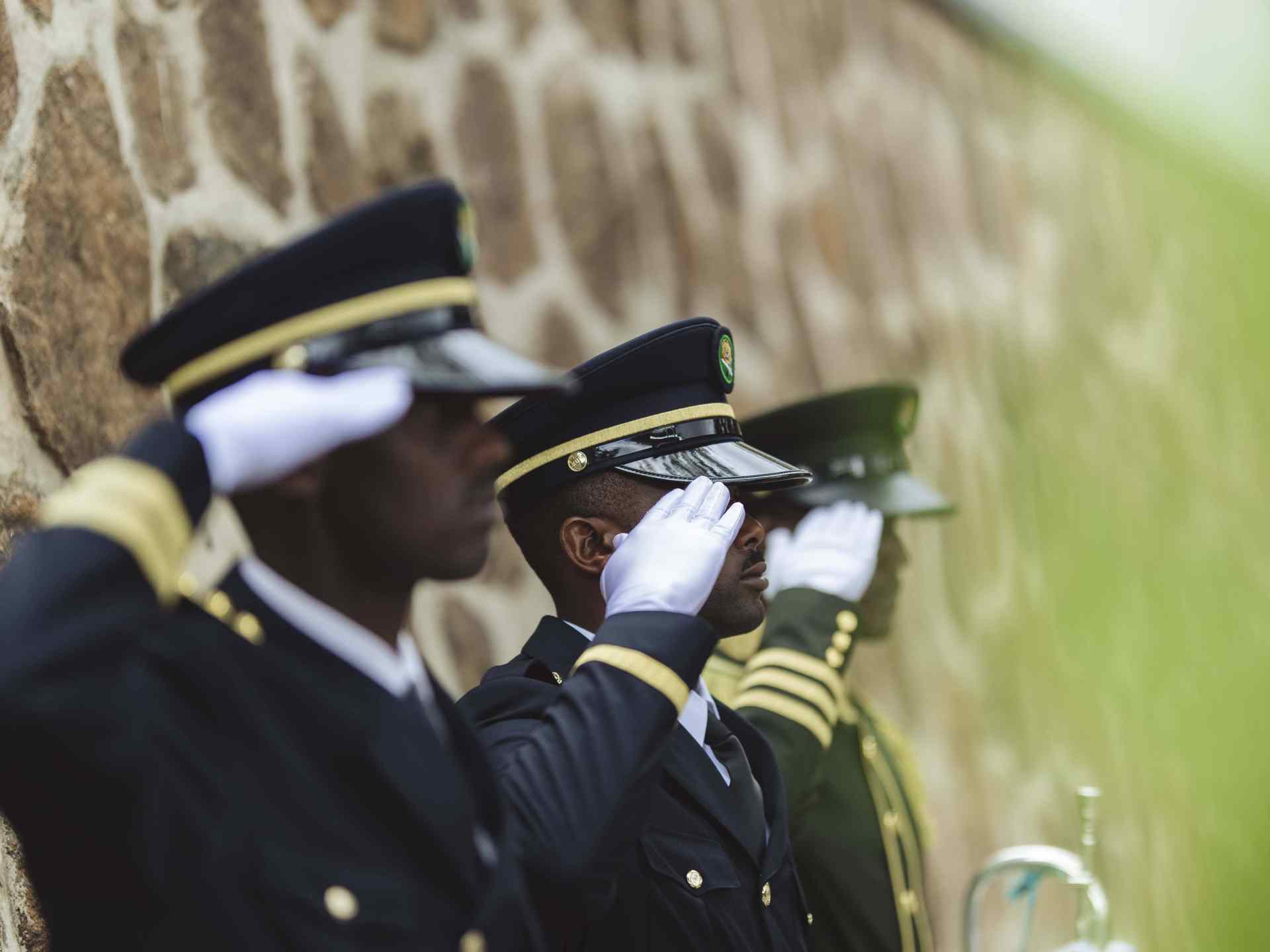
Thirty-two years after the end of the devastating genocide against the Tutsi in Rwanda, young citizens grapple with the country's progress and lingering pain. For Claudette Kamikazi, a 29-year-old shopkeeper born after the tragedy, the genocide remains an immediate reality rather than history. July 4 marks Liberation Day, commemorating the Rwanda Patriotic Front (RPF) victory that ended the violence and brought the movement to power. Kamikazi's father was convicted for his role in the genocide and is serving a life sentence. The day holds mixed feelings for her, symbolizing survival but also reminding her of her father's incarceration. In the last two decades, Rwanda has undergone significant transformation under President Paul Kagame's leadership, focusing on unity, economic development, and the legacy of the liberation struggle. The economy has grown steadily at an average of 7% annually, thanks to investments in tourism, technology, mining, and agribusiness. However, not everyone experiences this progress equally. Unemployed master's graduate Christopher Teganya, 26, sees Liberation Day as a source of pride but also as a reminder of the challenges that remain. Rwanda's infrastructure, technology sector, mining industry, and tourism have undergone significant changes over the past three decades, creating thousands of jobs and reshaping parts of the country. Yet, providing employment opportunities for young people remains one of the government's most challenging tasks. With youth unemployment standing at approximately 14%, Teganya calls for more action from the government to create the promised 200,000 jobs annually. The country's transformation has also faced criticism from human rights groups concerning restrictions on political opposition, freedom of expression, and civic space. The ongoing trial of opposition leader Victoire Ingabire continues to polarize opinions within and outside Rwanda. For Sabrine Gatesi, a 30-year-old nurse, the nation's recovery cannot be measured solely by visible rebuilding but also by healing unseen wounds. Mental health professionals remain scarce in the country, with one in five residents living with a mental health disorder and more than half among genocide survivors. Officials view Liberation Day as an ongoing national project aimed at turning Rwanda into a high-income country by 2050. Despite the heavy burden of history, many young Rwandans find hope in the nation's commitment to avoiding the divisions that ignited the genocide. For Kamikazi, this hope is rooted in the nation's determination never to return to those dark times. The healing journey for many Rwandans continues as they balance progress and unhealed wounds.
Filed underWorld
More stories
World
Ancestral Naga Skulls Returned to Nagaland by Oxford Museum for a Joint Memorial and Burial
— Global Focus Wire Desk
World
Stranded Round-the-World Cruise Ship Seized in Singapore after Operator's Financial Collapse
— Global Focus Wire Desk
World
US, Russia, and Ukraine Hold Talks in Abu Dhabi to End War in Ukraine
— Global Focus Wire Desk
World
European Diplomats Advocate for Involvement in Russia-Ukraine Negotiations at G7 Meeting
— Global Focus Wire Desk
World
Global Energy Tussle: US-China Rivalry and Its Impact on Household Bills Worldwide
— Global Focus Wire Desk
World
Honduran Court Delays Verdict in Sex-Trafficking Case Linked to Angie Pena's Disappearance
— Global Focus Wire Desk