WMO Issues Alert for Upcoming El Nino-Induced Extreme Weather Events
The World Meteorological Organization (WMO) has issued a warning to governments and humanitarian organizations worldwide, urging them to prepare for potential extreme weather events such as…
By Global Focus Wire Desk
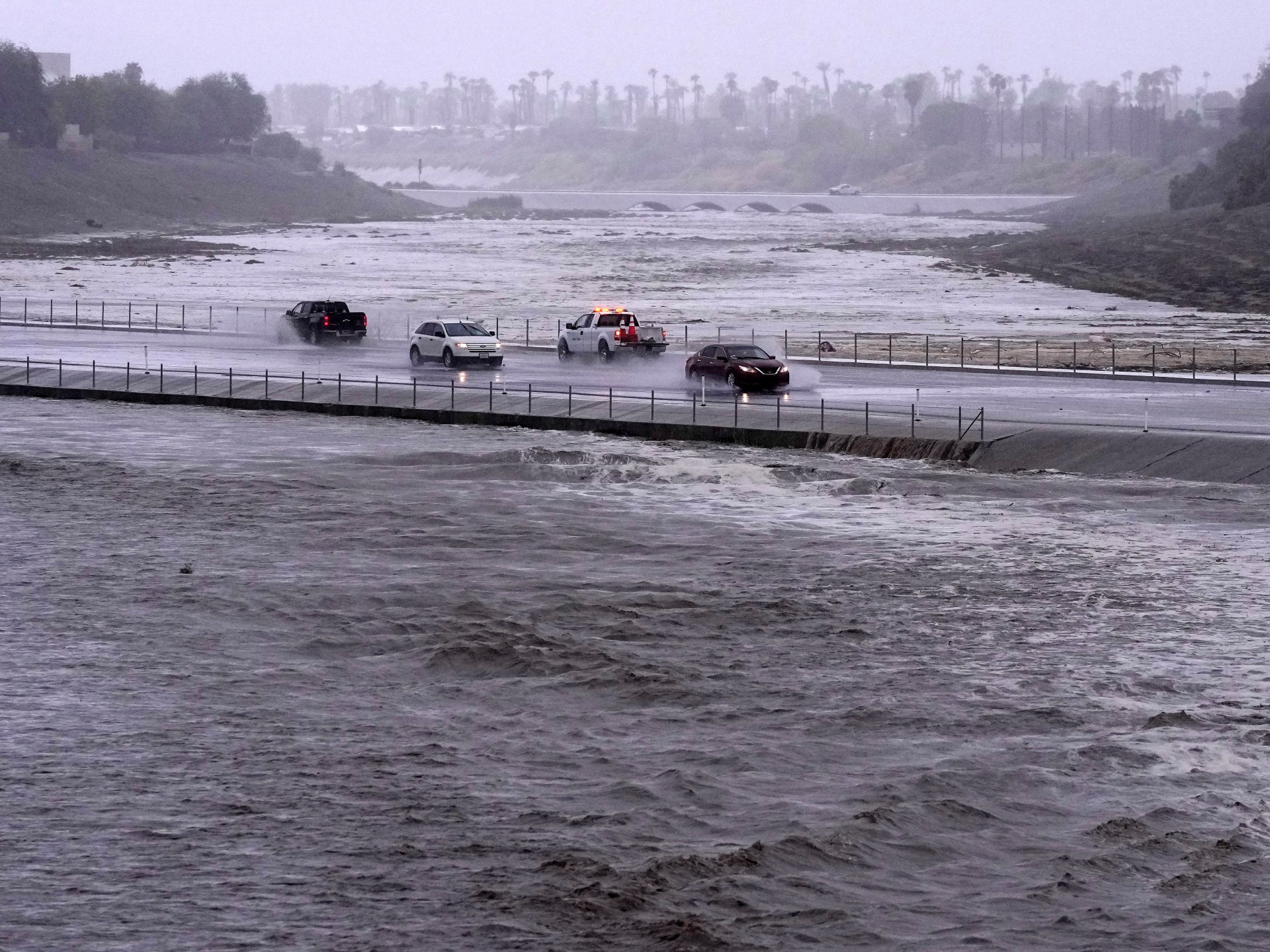
The World Meteorological Organization (WMO) has issued a warning to governments and humanitarian organizations worldwide, urging them to prepare for potential extreme weather events such as heatwaves, droughts, and heavy rainfall due to the expected intensification of El Nino. According to the WMO's statement released on Friday, El Nino conditions have already commenced and are forecasted to strengthen significantly between July and September, peaking typically between November and February. The UN agency has mobilized climate information services and early warning systems to help governments and aid organizations prepare support plans for farmers and vulnerable communities. WMO Secretary-General Celeste Saulo emphasized the importance of advanced seasonal forecasts and early warnings in mitigating the impact on lives, economies, and communities. El Nino is a natural climate phenomenon that causes changes in winds, pressure, and rainfall patterns by warming surface temperatures in the central and eastern equatorial Pacific Ocean. The events occur every two to seven years and last between nine and 12 months, not affecting all regions of the world equally. The WMO reported on Thursday that global ocean temperatures reached a new high in June, partly due to El Nino, contributing to making 2023 the second-hottest year on record and 2024 the warmest.
Filed underClimate
More stories
Climate
India Illuminates for Diwali Amid Air Pollution Concerns and Court-Imposed Firecracker Restrictions
— Global Focus Wire Desk
Climate
Containment Reached at 27% for Nevadan Wildfire as Thousands Remain Displaced
— Global Focus Wire Desk
Climate
Scorching Summer Intensifies Caste Discrimination Over Water Access in Drought-Stricken Indian Region
— Global Focus Wire Desk
Climate
Nevada Wildfire Contained at 27%, Destroying More Than 30 Homes Near Reno
— Global Focus Wire Desk
Climate
Thousands Evacuated and Homes Lost as British Columbia Wildfires Rage On
— Global Focus Wire Desk
Climate
Tropical Storm Dolphin Batters Eastern China, Triggering Mass Evacuations and Causing Severe Flooding
— Global Focus Wire Desk