Vacancy at National Indian Gaming Commission Impedes Enforcement of Tribal Gambling Laws
The absence of a chairperson at the National Indian Gaming Commission (NIGC) has hindered its ability to enforce laws and regulations in the $46 billion tribal gambling industry.
By Global Focus Wire Desk
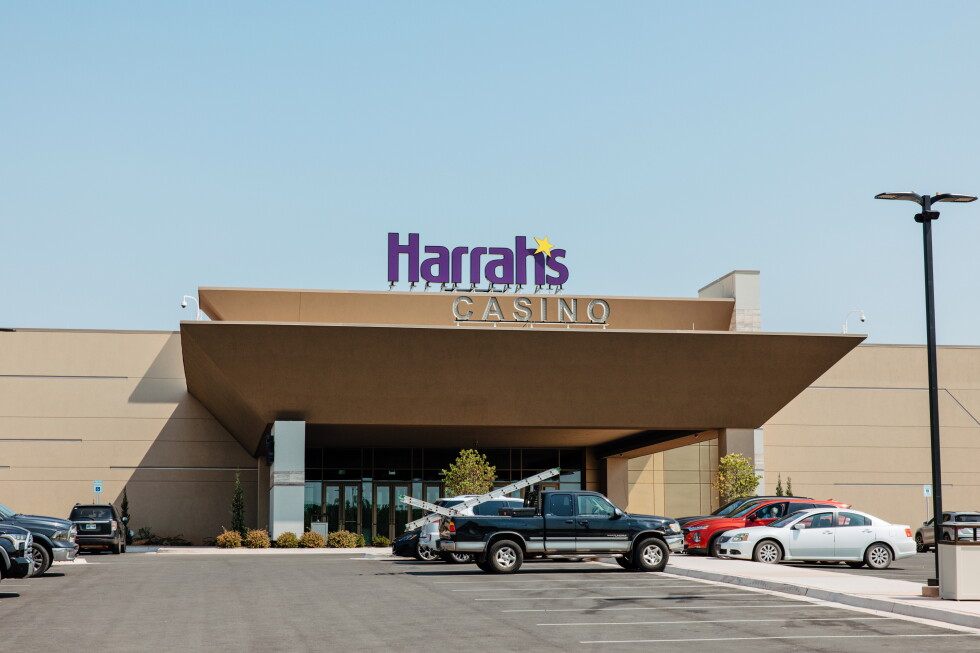
The absence of a chairperson at the National Indian Gaming Commission (NIGC) has hindered its ability to enforce laws and regulations in the $46 billion tribal gambling industry. The commission, established in 1988 to oversee casino-style gaming on Native American lands, is unable to perform key responsibilities such as enforcing legal and safety violations, approving new tribal gambling laws, and certifying management agreements between tribes and casino operators. The vacancy was caused by the departure of the last chairperson in January 2026, and President Donald Trump has yet to nominate a successor. This situation is concerning for industry leaders, who fear it could delay business deals, weaken oversight, and leave tribes without an advocate in Washington as they navigate emerging threats from online prediction markets. The inability of the commission to enforce federal laws or force the emergency closure of unsafe facilities is particularly troubling. Without a chairperson, the commission's enforcement powers are limited, potentially discouraging investment in tribal gambling and slowing business growth. Tribes heavily reliant on casino revenue for essential services like healthcare, housing, education, and more are at stake. The Iowa Tribe of Oklahoma, for example, has found itself managing its new Harrah’s-branded casino without the intended day-to-day management from Harrah’s parent company due to the commission's leadership gap.
Filed underPolitics
More stories
Politics
Trump Indicates De-escalation of U.S.-Iran Conflict, Averts Further Attacks for Now
— Global Focus Wire Desk
Politics
Cameroon Announces Date for Long-Awaited Legislative and Local Elections
— Global Focus Wire Desk
Politics
Supreme Court Clears Path for Border Wall Construction in Big Bend National Park
— Global Focus Wire Desk
Politics
Massie Pushes for Impeachment Vote on Defense Secretary Hegseth Over Iran Conflict
— Global Focus Wire Desk
Politics
Deadly Blast at Turkey's Leading Steel Factory in Aliaga Kills 16, Injures 13
— Global Focus Wire Desk
Politics
Trump Challenges Midterm Election Integrity, Contradicting Previous Statements
— Global Focus Wire Desk