US Public Support for Iran Conflict Wanes as Trump Approval Hits Record Low, Poll Shows
A recent Reuters/Ipsos poll indicates a decline in American support for the ongoing conflict with Iran, coinciding with President Donald Trump's record-low approval rating.
By Global Focus Wire Desk
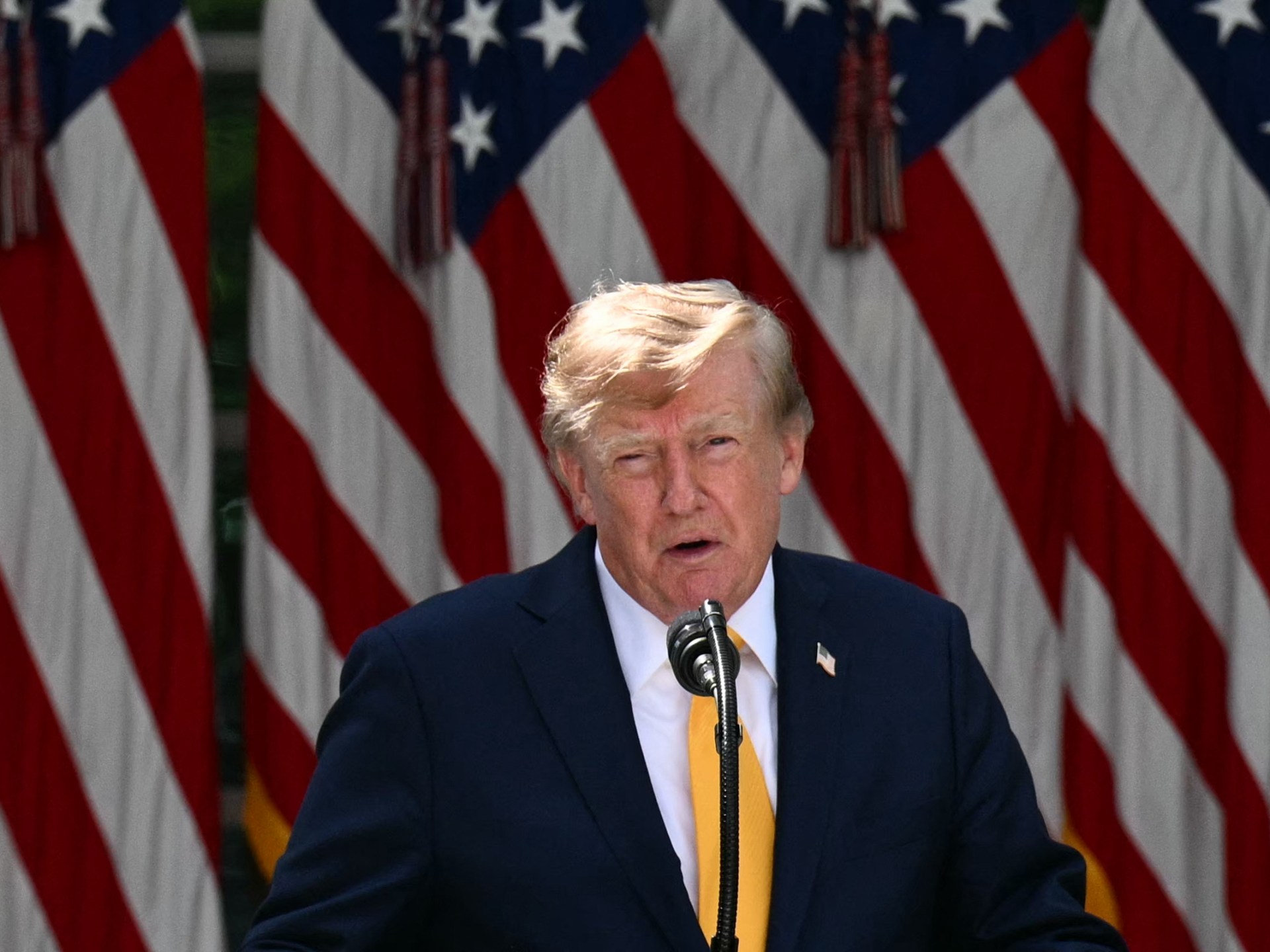
A recent Reuters/Ipsos poll indicates a decline in American support for the ongoing conflict with Iran, coinciding with President Donald Trump's record-low approval rating. The drop in public backing is attributed to decreasing Republican support and concerns over prolonged conflict and rising gas prices. As of the latest survey, only 31% of Americans endorse US military action against Iran, a significant decrease from earlier this year. Among Republicans, support has fallen to 69%, down from 77% in March. The ongoing conflict also negatively impacts Trump's public standing, with his approval rating remaining at 33%, according to the poll. Trump justifies the military campaign as an essential measure to prevent Iran from acquiring nuclear weapons, yet the economic consequences of the war remain a primary concern for Americans. Iran has imposed a de facto blockade on oil exports in the region, leading to near-record high petrol prices in the US. The Trump administration has further pledged to increase economic pressure on Iran, with Treasury Secretary Scott Bessent announcing plans to target all of Iran's revenue sources, including oil. The campaign, known as "Operation Economic Outcast", aims to discourage other nations and corporations from conducting business with Tehran. The poll suggests that a majority of Americans anticipate the conflict will persist for an extended period, with 83% believing it will continue for some time. This prolonged war poses challenges for Trump, who campaigned on promises to reduce inflation and adopt an "America First" policy that avoids foreign military engagements. Rising petrol prices, more than $1 per gallon (3.8 litres) higher than before the conflict, add economic pressure ahead of the midterm elections in November. Higher fuel costs could also strain Republican efforts to maintain narrow congressional majorities. The poll indicates that independent voters are more likely to support Democrats over Republicans in a hypothetical congressional election today, with 33% preferring Democrats compared to 19% for Republicans. The Reuters/Ipsos survey questioned 1,215 adults across the US over four days and has a margin of error of 3 percentage points in either direction.
Filed underPolitics
More stories
Politics
Trump Indicates De-escalation of U.S.-Iran Conflict, Averts Further Attacks for Now
— Global Focus Wire Desk
Politics
Cameroon Announces Date for Long-Awaited Legislative and Local Elections
— Global Focus Wire Desk
Politics
Supreme Court Clears Path for Border Wall Construction in Big Bend National Park
— Global Focus Wire Desk
Politics
Massie Pushes for Impeachment Vote on Defense Secretary Hegseth Over Iran Conflict
— Global Focus Wire Desk
Politics
Deadly Blast at Turkey's Leading Steel Factory in Aliaga Kills 16, Injures 13
— Global Focus Wire Desk
Politics
Trump Challenges Midterm Election Integrity, Contradicting Previous Statements
— Global Focus Wire Desk