US Job Market Stagnates in June as Employers Add Only 57,000 Positions
In a sign of cautious economic sentiment, U.S. employers added only 57,000 jobs in June, according to data released by the Labor Department on Thursday.
By Global Focus Wire Desk
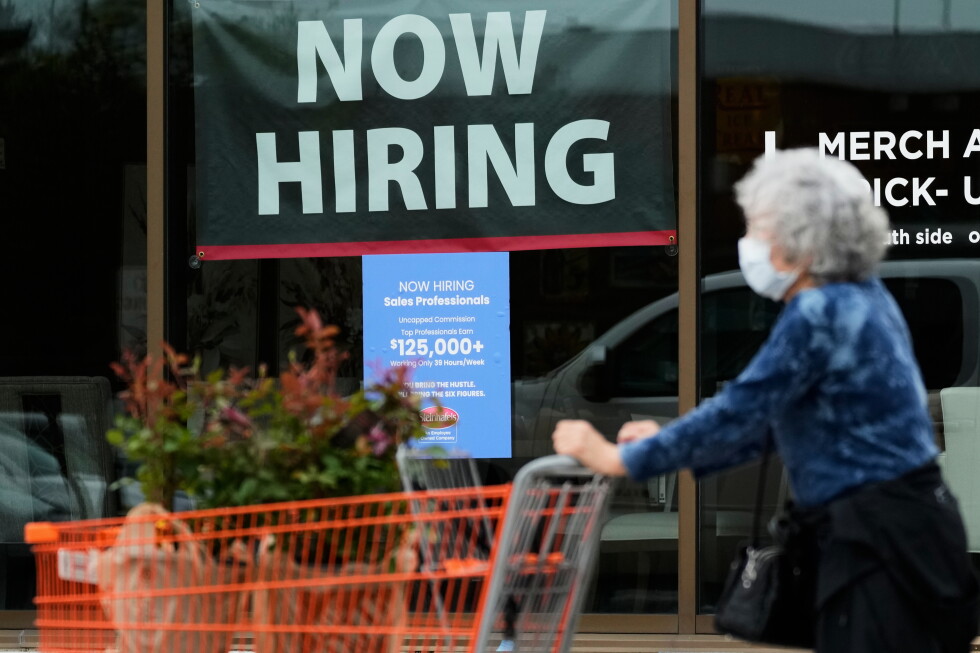
In a sign of cautious economic sentiment, U.S. employers added only 57,000 jobs in June, according to data released by the Labor Department on Thursday. The unemployment rate fell to 4.2% from 4.3% in May, but this decline was primarily due to individuals dropping out of the labor force and no longer being counted as unemployed. The slow hiring pace indicates businesses remain concerned about the economy's health amidst rising inflation rates and subdued consumer confidence. The job market has been characterized by a "low-hire, low-fire" trend, with employees experiencing job security but those seeking employment struggling to find opportunities. Despite improved hiring compared to last year, the initial robust gains reported in April and May were revised lower. Sectors such as restaurants, bars, hotels, and retailers experienced job losses, contrary to expectations following the World Cup tournament taking place in multiple U.S. cities. Meanwhile, professional and business services, including architecture, engineering, and software development, added jobs, suggesting that artificial intelligence may be contributing to employment growth rather than causing job losses. Blue-collar industries like manufacturing and construction also saw modest gains, with companies such as Power & Construction Group seeking additional workers to meet increased demand for electrical capacity. However, higher costs and minimum wage increases are challenging employers in the hospitality sector, leading to staffing constraints. The slow pace of hiring and wage growth seems unlikely to exacerbate inflationary pressures, allowing the Federal Reserve to maintain its current interest rate levels, contrary to earlier market expectations. The cautious employment data boosted the stock market, with the S&P 500 index rising by 0.7% in mid-morning trading.
Filed underBusiness
More stories
Business
Palestinian Teenager Killed, Two Injured in West Bank Clash with Israeli Forces
— Global Focus Wire Desk
Business
Qantas Outsources Corporate Jobs to Accenture, Shifting Roles Mainly to India for IT Modernization
— Global Focus Wire Desk
Business
Nvidia Investigates CEO's Affair with Alleged Spy, Shares Plummet by $250 Billion
— Global Focus Wire Desk
Business
Pope Leo XIV Calls for Economy to Serve People, Not Vice Versa, During Argentina Visit
— Global Focus Wire Desk
Business
U.S.-Canada Trade Dispute Escalates Amidst Trump's Assertion of American Power
— Global Focus Wire Desk
Business
Israeli Parliamentarian Vandalizes Palestinian Memorial with Sledgehammer in West Bank
— Global Focus Wire Desk