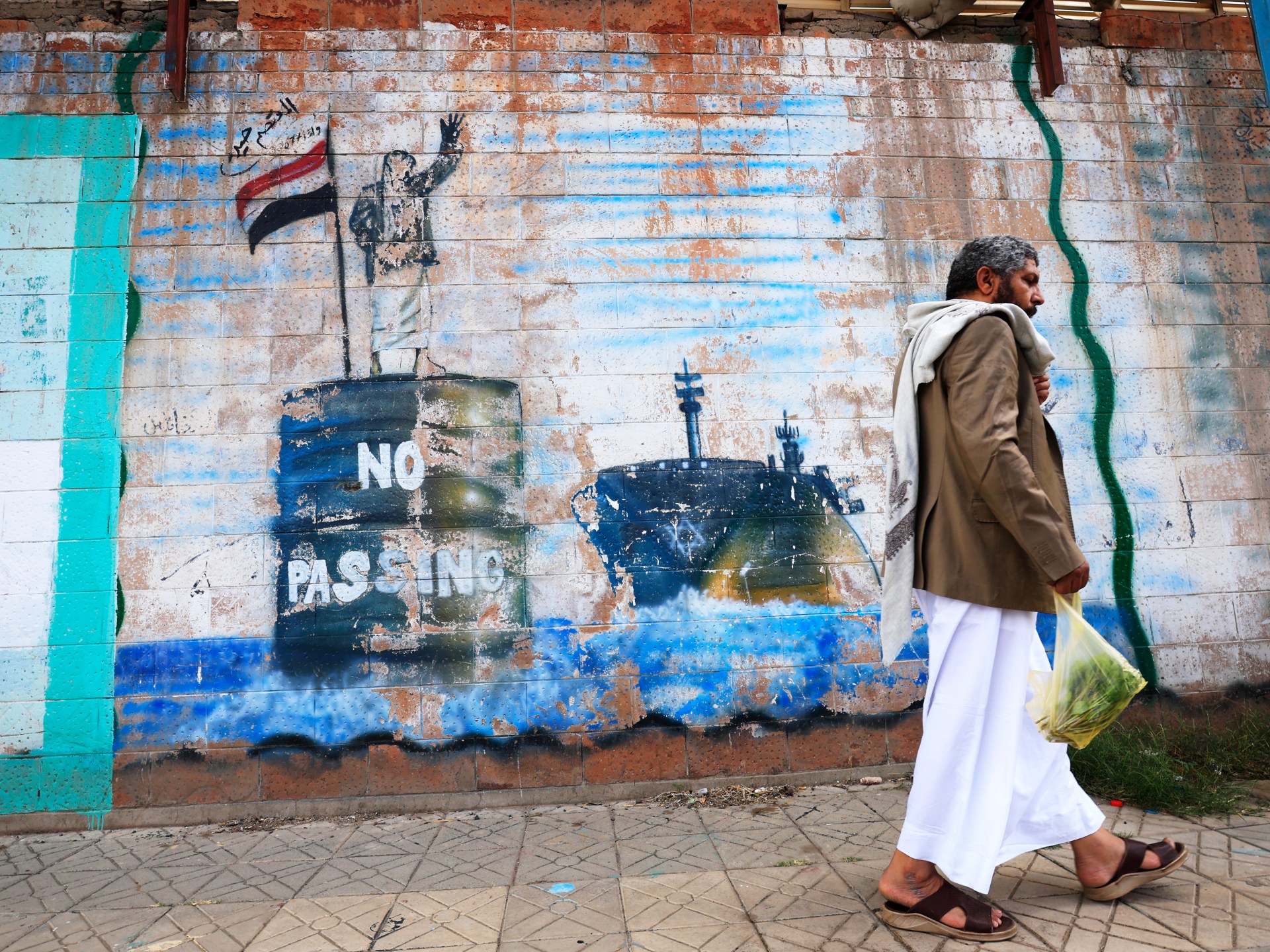
The United States Embassy in Yemen has disputed allegations by the Houthis that a Saudi-led blockade is impeding access to the country. Khaled Wolfsberg, spokesperson for the US Embassy, released an Arabic video on Tuesday, affirming that commercial goods continue to flow into areas under Houthi control. The Houthis, who captured Sanaa in 2014 and have since seized large parts of western and northern Yemen, are countered by this claim. An offensive on coastal areas this year resulted in the rebels taking the port city of Mocha.
According to operational figures presented by Wolfsberg, 272 commercial ships unloaded their cargo at Hodeidah, as-Salif, and Ras Isa - all under Houthi control - between January and September 2026. This data directly contradicts the Houthi narrative that Saudi Arabia and its allies have imposed a full-scale siege on Yemen's Red Sea ports, preventing aid from reaching civilians. The UN Verification and Inspection Mechanism for Yemen has also released operational analyses supporting this claim.
However, the United Nations has warned that recent fighting has worsened the humanitarian situation in Yemen, particularly in the besieged city of Taiz, which is under government control but encircled by the Houthis. In the US embassy video, Wolfsberg accused the Houthis of blocking food and fuel from reaching hospitals and water stations in Taiz, describing the conditions faced by Taiz residents as a genuine siege. He shifted the blame for localized shortages onto the Houthi forces surrounding the area.
The United States Embassy in Yemen has refuted allegations made by the Houthis that a Saudi-led blockade is restricting access to the country. In an Arabic video released on Tuesday, spokesperson Khaled Wolfsberg asserted that commercial goods continue to flow into areas under Houthi control. The Houthis, who seized Sanaa in 2014 and have since taken large parts of western and northern Yemen, are countered by this claim.
The video presented operational figures showing that 272 commercial ships successfully unloaded their cargo at the ports of Hodeidah, as-Salif, and Ras Isa - all under Houthi control - between January and September 2026. This data directly contradicts the Houthi narrative that Saudi Arabia and its allies have enacted a full-scale siege of Yemen's Red Sea ports, preventing aid from reaching civilians. The UN Verification and Inspection Mechanism for Yemen has also released operational analyses supporting this claim.
Despite this, the United Nations has expressed concern over the worsening humanitarian situation in Yemen, particularly in the besieged city of Taiz, which is under government control but encircled by the Houthis. In the US embassy video, Wolfsberg accused the Houthis of blocking food and fuel from reaching hospitals and water stations in Taiz, describing the conditions faced by Taiz residents as a genuine siege. He shifted the blame for localized shortages onto the Houthi forces surrounding the area.
The US Embassy in Yemen has challenged claims made by the Houthis that a Saudi-led blockade is restricting access to the country. In an Arabic video released on Tuesday, spokesperson Khaled Wolfsberg asserted that commercial goods continue to flow into areas under Houthi control. The Houthis, who seized Sanaa in 2014 and have since taken large parts of western and northern Yemen, are countered by this claim.
According to operational figures presented by Wolfsberg, 272 commercial ships successfully unloaded their cargo at the ports of Hodeidah, as-Salif, and Ras Isa - all under Houthi control - between January and September 2026. This data directly contradicts the Houthi narrative that Saudi Arabia and its allies have enacted a full-scale siege of Yemen's Red Sea ports, preventing aid from reaching civilians. The UN Verification and Inspection Mechanism for Yemen has also released operational analyses supporting this claim.
However, the United Nations has expressed concern over the worsening humanitarian situation in Yemen, particularly in the besieged city of Taiz, which is under government control but encircled by the Houthis. In the US embassy video, Wolfsberg accused the Houthis of blocking food and fuel from reaching hospitals and water stations in Taiz, describing the conditions faced by Taiz residents as a genuine siege. He shifted the blame for localized shortages onto the Houthi forces surrounding the area. The UN has warned that this siege is exacerbating the already dire humanitarian crisis in Yemen.