Unprecedented Heatwave Sweeps Through the UK, Setting June Temperature Records
The United Kingdom experienced its warmest June on record in England and second-warmest across the nation as a whole, according to data released by the Met Office.
By Global Focus Wire Desk
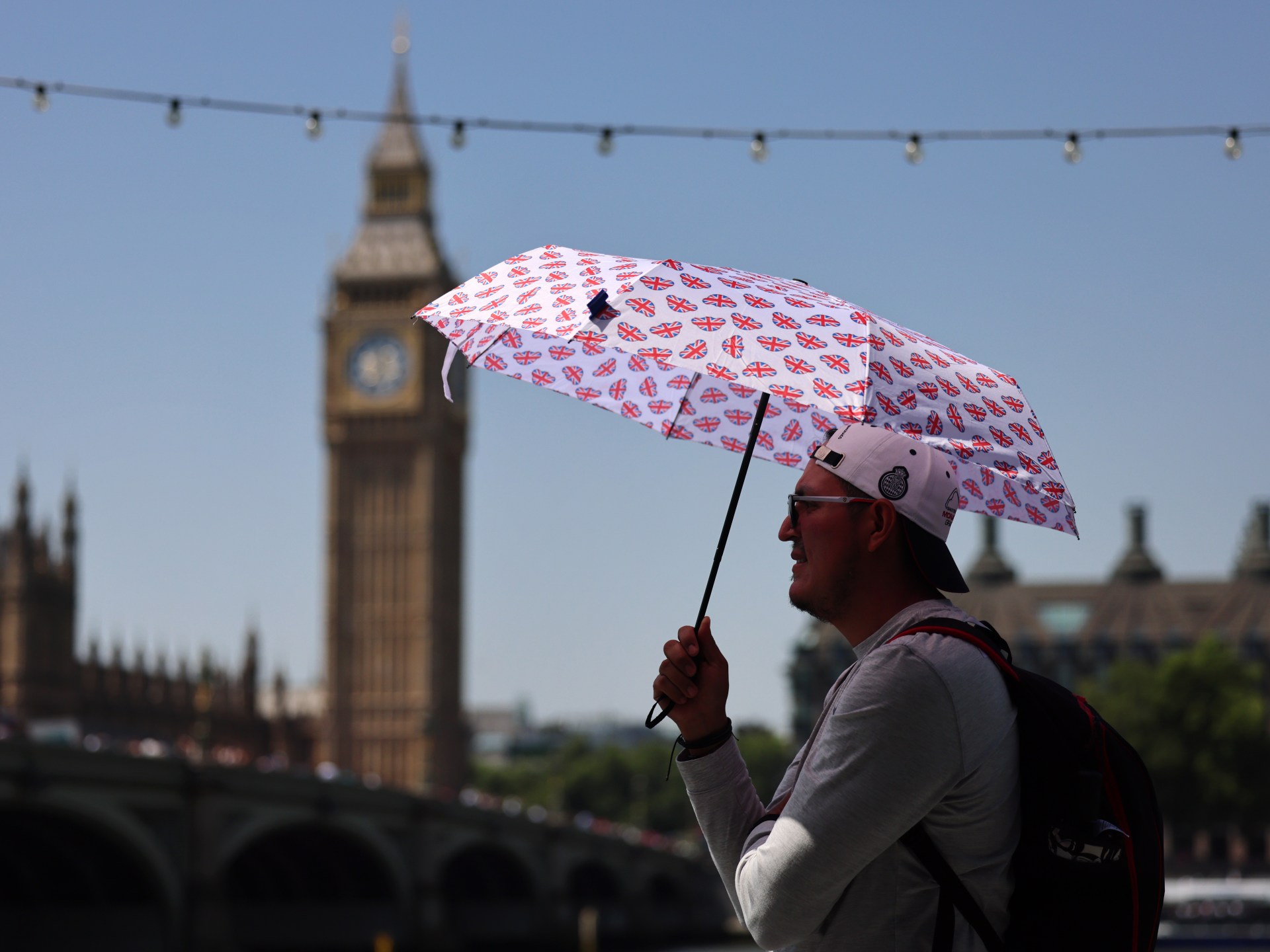
The United Kingdom experienced its warmest June on record in England and second-warmest across the nation as a whole, according to data released by the Met Office. The extraordinary heatwave, which lasted for several days towards the end of the month, resulted in exceptional heat warnings due to unusually high overnight temperatures. England's average temperature for June reached 17.1°C (62.78°F), a record high since measurements began in 1884. The intense and record-breaking heatwave at the end of the month was responsible for this remarkable increase, which surpassed the previous record set in June 2025 by nearly 3°C (5.4°F). It's worth noting that England's top three warmest Junes since records began have all occurred within the past decade. The heatwave affected numerous regions across the UK, with temperatures exceeding 30°C (86°F) for seven consecutive days from June 21-27 in certain locations. On June 26, a provisional peak of 37.7°C (99.86°F) was reached at Lingwood in Norfolk, breaking the previous June record by more than 2°C (3.6°F). This record-breaking temperature was higher than the ones recorded in Camden Square, London, and Mayflower Park, Southampton, in 1957 and 1976 respectively. Overnight minimum temperatures also set a new June record in Cardiff Bute Park, with temperatures not dropping below 23.5°C (74.3°F) on June 25. As a result of this heatwave, over 1,000 schools and nurseries were temporarily closed, and public transportation was disrupted due to strained overhead wires and signalling systems. Critics argue that the country was unprepared for such extreme temperatures, and climate experts have urged the UK government to adapt its infrastructure to accommodate warmer summers, anticipating increased demand for cooling devices like fans and air conditioners, which are still relatively rare in British homes. The heatwave also impacted several European countries, including France, Germany, Slovakia, Serbia, Croatia, Italy, Austria, and western Ukraine, causing over 1,000 deaths in France alone. Scientists have linked this extreme weather to climate change, emphasizing the importance of phasing out fossil fuels to reverse the trend of increasingly dangerous weather patterns.
Filed underClimate
More stories
Climate
India Illuminates for Diwali Amid Air Pollution Concerns and Court-Imposed Firecracker Restrictions
— Global Focus Wire Desk
Climate
Containment Reached at 27% for Nevadan Wildfire as Thousands Remain Displaced
— Global Focus Wire Desk
Climate
Scorching Summer Intensifies Caste Discrimination Over Water Access in Drought-Stricken Indian Region
— Global Focus Wire Desk
Climate
Nevada Wildfire Contained at 27%, Destroying More Than 30 Homes Near Reno
— Global Focus Wire Desk
Climate
Thousands Evacuated and Homes Lost as British Columbia Wildfires Rage On
— Global Focus Wire Desk
Climate
Tropical Storm Dolphin Batters Eastern China, Triggering Mass Evacuations and Causing Severe Flooding
— Global Focus Wire Desk