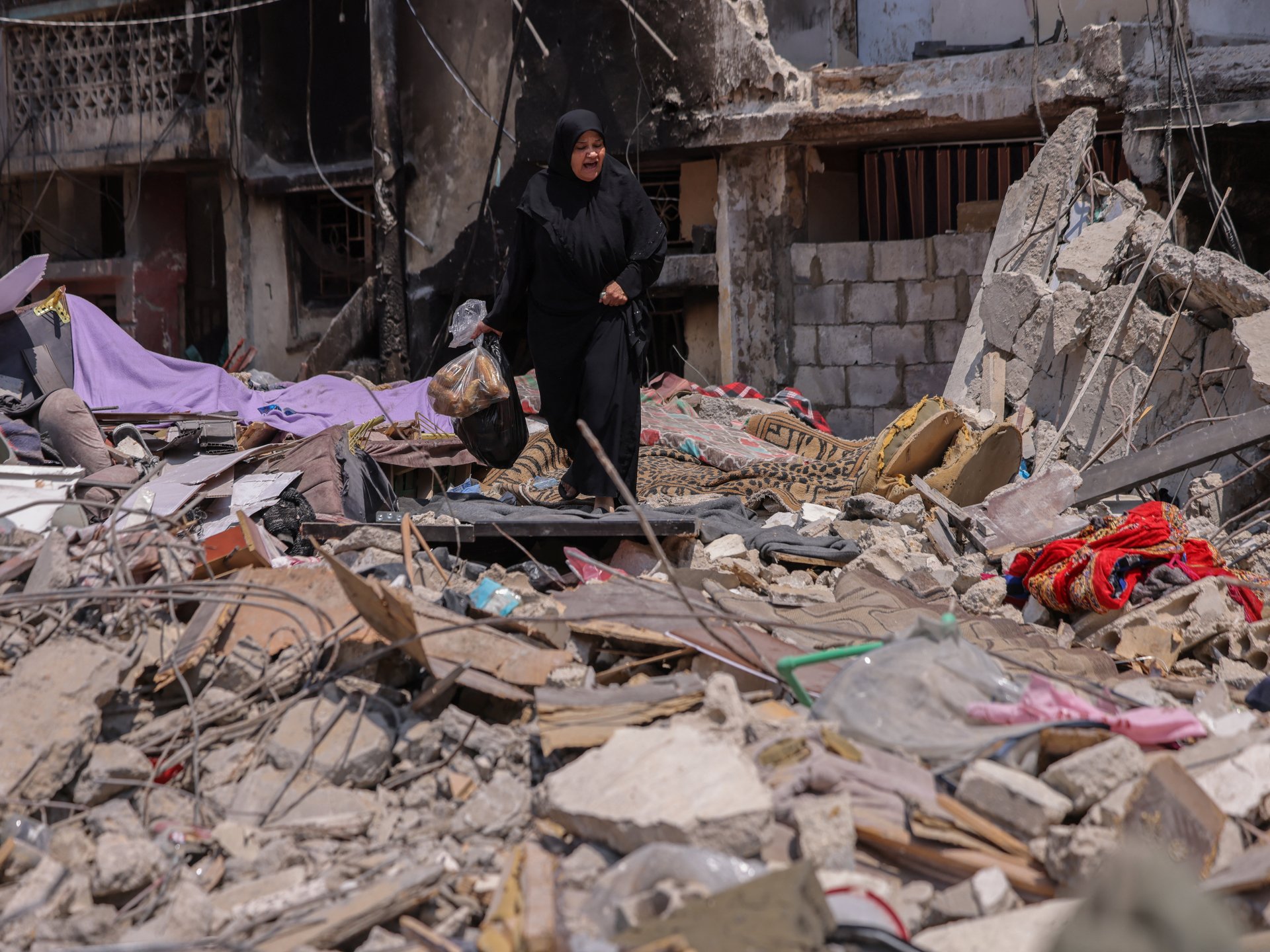
The United Nations (UN) has issued a stark warning about a worsening food crisis in Lebanon, with approximately one million individuals currently facing acute food shortages. This situation is attributed to two successive conflicts within the past two years, an unfavorable economic climate, and high levels of debt, as reported by the UN's Food and Agriculture Organization (FAO), World Food Programme (WFP), and Lebanon's Ministry of Agriculture in a joint statement. The number of affected individuals is projected to rise to 1.15 million by mid-2023.
The crisis is exacerbated by limited employment opportunities, depleted savings, and escalating costs for food, fuel, and essential goods, which are straining household budgets. While some families can still resort to borrowing or cutting expenses, others are quickly exhausting these options, leaving them vulnerable to further hardship. As Allison Oman Lawi, WFP representative and country director in Lebanon, stated, even a minor additional shock could exacerbate the crisis for those with no remaining resources.
Lebanon's Agriculture Minister Nizar Hani emphasized the need for a coordinated national response to address immediate food needs, protect livelihoods, and rebuild productive capacity. The financial toll of two wars between Israel and the Lebanese armed group Hezbollah since October 2023 is estimated to amount to around $27bn. The most recent conflict, initiated in March, displaced over one million people within Lebanon, though this number has since dropped to roughly 300,000 as violence subsided in June.
Despite a ceasefire agreement brokered by the United States between Israel and the Lebanese government in June, Israeli forces continue to occupy territory in Lebanon. The terms of the agreement stipulated that Israeli forces would withdraw, allowing Lebanon's army to take control of the vacated area. However, disarmament of Hezbollah, which is not a party to the agreement, has yet to be implemented. The conflict erupted as Lebanon grappled with its worst-ever economic crisis, which began in 2019. Beirut has been seeking financial assistance from the International Monetary Fund (IMF) but has yet to implement reforms demanded by the institution to secure the aid.