Turkiye Leads Global Electrification Drive at COP31 Amidst Energy Crisis and Fossil Fuel Dependence
In the face of the ongoing US-led conflict with Iran accentuating global reliance on fossil fuels, Turkiye has taken the initiative to prioritize electrification at the forthcoming COP31 climate…
By Global Focus Wire Desk
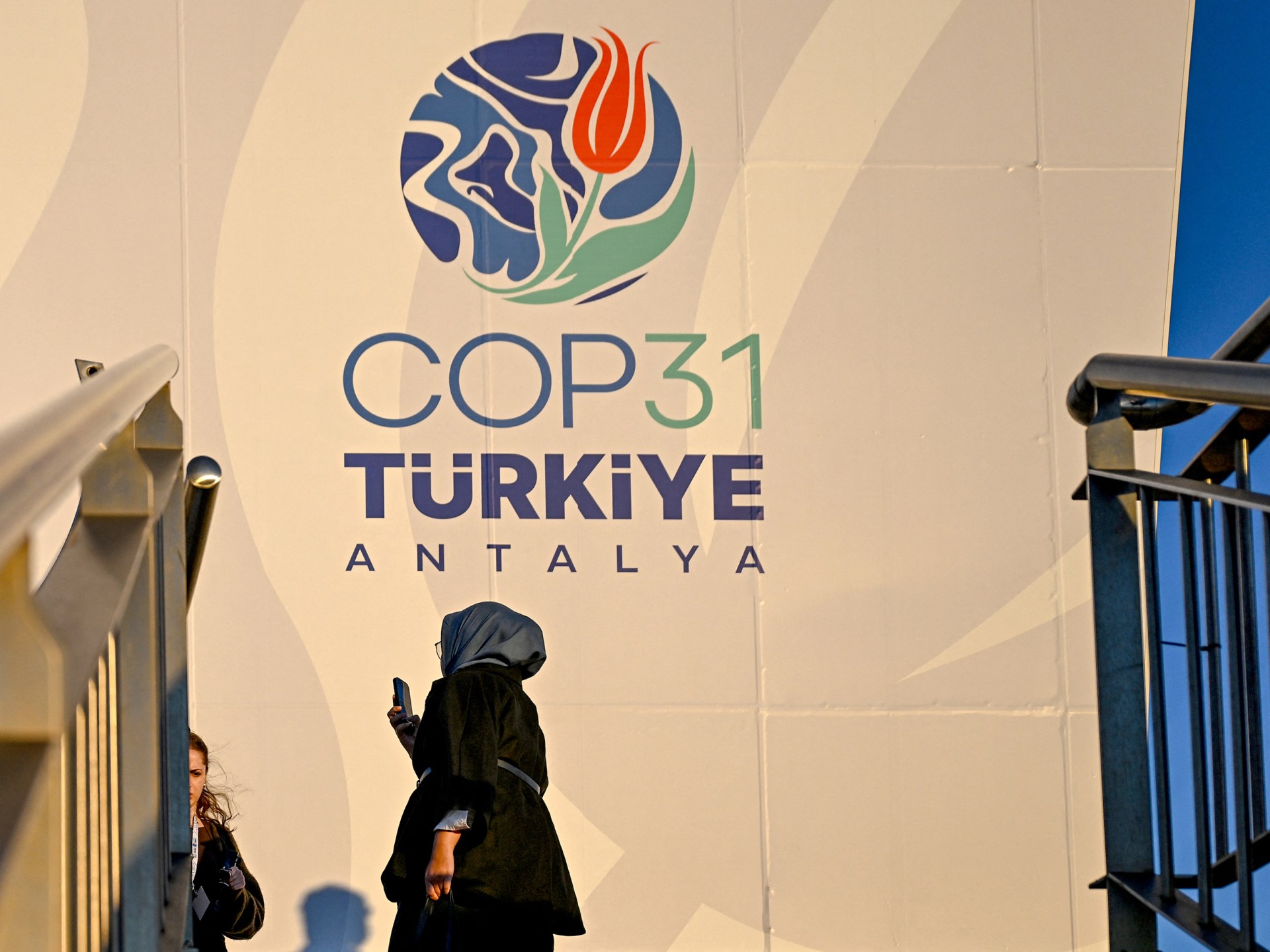
In the face of the ongoing US-led conflict with Iran accentuating global reliance on fossil fuels, Turkiye has taken the initiative to prioritize electrification at the forthcoming COP31 climate conference, slated to commence in Antalya, Turkiye, on Monday. The country plans to launch the 35-by-35 Global Electrification Pledge, a non-binding agreement aiming to increase electricity's share of global energy demand to 35% by 2035, surpassing its current one-fifth contribution. Turkiye argues that this initiative will expedite the transition to renewable energy sources and bolster energy security. The COP31 agenda also encompasses other priority areas such as zero waste, methane reduction, climate-resilient cities, green industrialisation, education, and the implementation of national climate plans. However, critics question whether the pledge adequately addresses low-carbon electricity sources. A coalition of countries, including vulnerable South Pacific island nations, is advocating for a more definitive global pathway away from fossil fuels. Meanwhile, oil and gas-producing nations like Saudi Arabia argue that fossil fuels can still play a significant role in the energy mix, provided they are paired with emission-reducing technologies. The US-Israel conflict with Iran has disrupted oil shipments through the Strait of Hormuz, causing fuel price hikes worldwide and prompting governments to seek alternative sources. Amidst this global energy turmoil, Turkiye's focus on electrification offers a potential solution for energy security and emissions reduction.
Filed underWorld
More stories
World
Ancestral Naga Skulls Returned to Nagaland by Oxford Museum for a Joint Memorial and Burial
— Global Focus Wire Desk
World
Stranded Round-the-World Cruise Ship Seized in Singapore after Operator's Financial Collapse
— Global Focus Wire Desk
World
US, Russia, and Ukraine Hold Talks in Abu Dhabi to End War in Ukraine
— Global Focus Wire Desk
World
European Diplomats Advocate for Involvement in Russia-Ukraine Negotiations at G7 Meeting
— Global Focus Wire Desk
World
Global Energy Tussle: US-China Rivalry and Its Impact on Household Bills Worldwide
— Global Focus Wire Desk
World
Honduran Court Delays Verdict in Sex-Trafficking Case Linked to Angie Pena's Disappearance
— Global Focus Wire Desk