Trump Pivots to Economic Sanctions against Iran: Assessing the Strategy's Prospects
Following nearly half a year of military confrontations, U.S. President Donald Trump has chosen to focus on economic pressure rather than military action against Iran.
By Global Focus Wire Desk
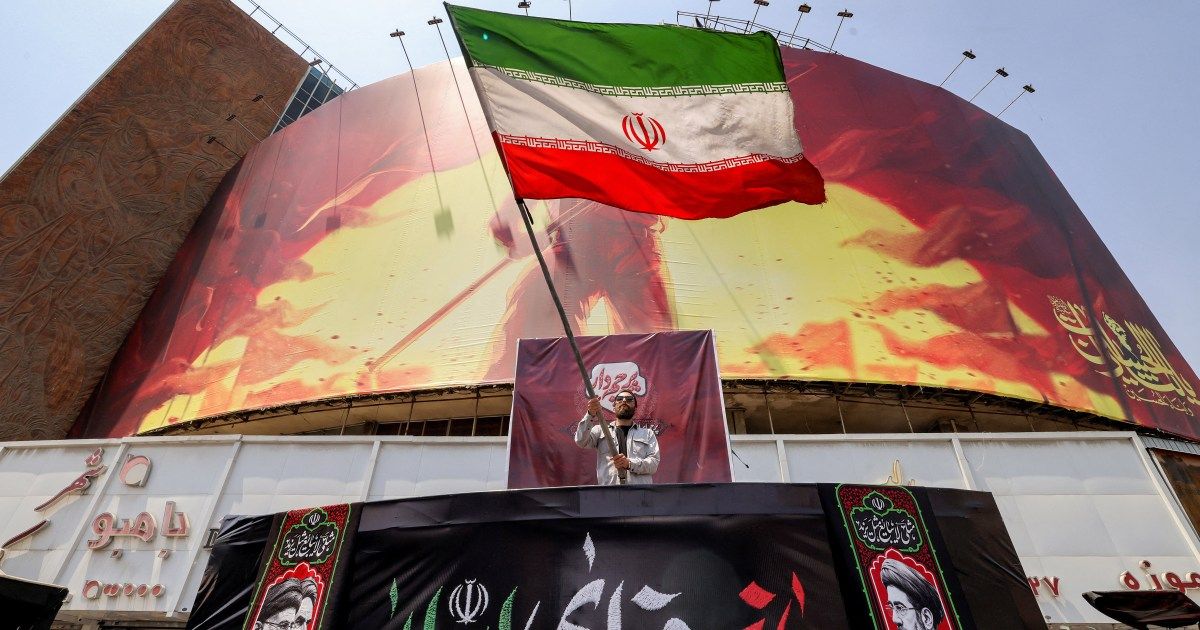
Following nearly half a year of military confrontations, U.S. President Donald Trump has chosen to focus on economic pressure rather than military action against Iran. The disruption of shipping through the Strait of Hormuz, a crucial waterway at the heart of negotiations aimed at resolving the conflict, continues due to Iranian forces, while a tightening U.S. naval blockade constricts Iranian ports. Despite recent reports suggesting Iran and Oman are close to an agreement on managing the Strait of Hormuz, Trump stated that negotiations with Iran are merely semi-negotiating. Iran has denied any direct talks with Washington. The shift in strategy comes as Trump claims Iran is financially struggling, citing high inflation and difficulties paying its own troops. He attributes this pressure to a U.S. naval blockade in place since April. Trump also believes that falling oil prices have mitigated the economic impact of the conflict on U.S. consumers and the closure of the Strait of Hormuz. He stated, "It will work out. It always works out. It’s like a chess game." Vice President JD Vance recently told Fox News that various diplomatic, economic, and military tools are being employed to secure the best possible outcome for U.S. citizens. The U.S. has maintained a naval blockade against Iranian ports since mid-April, aiming to reduce Iran's oil exports and significantly decrease its oil revenues. This move adds to Iran's existing economic woes, which are exacerbated by domestic issues, mismanagement, and years of sanctions. Additionally, Iran's infrastructure has suffered significant damage due to the conflict launched by the U.S. and Israel in late February. Iran has demanded compensation for these losses as a condition for reopening the Strait of Hormuz. As the war on Iran continues, concerns about munition stockpiles have arisen, with reports suggesting that Washington is running low. The Pentagon has requested increased production and delivery of weapons from the U.S. defense industry to address these shortages. However, a Pentagon official has assured Al Jazeera that the U.S. has sufficient munitions to sustain its military operations. The war on Iran remains unpopular in the U.S., with only about 35 percent of Americans approving of it, according to a recent poll. Democrats are currently leading Republicans when voters are asked which political party has a better approach to handling war and "terrorism." This is the first time Democrats have led in this question since Reuters/Ipsos polling began posing it in December 2024. Mehran Kamrava, a professor at Georgetown University in Qatar, expressed doubts about the progress of negotiations between Iran and the U.S., questioning whether Washington's economic strategy will prove successful.
Filed underWorld
More stories
World
Ancestral Naga Skulls Returned to Nagaland by Oxford Museum for a Joint Memorial and Burial
— Global Focus Wire Desk
World
Stranded Round-the-World Cruise Ship Seized in Singapore after Operator's Financial Collapse
— Global Focus Wire Desk
World
US, Russia, and Ukraine Hold Talks in Abu Dhabi to End War in Ukraine
— Global Focus Wire Desk
World
European Diplomats Advocate for Involvement in Russia-Ukraine Negotiations at G7 Meeting
— Global Focus Wire Desk
World
Global Energy Tussle: US-China Rivalry and Its Impact on Household Bills Worldwide
— Global Focus Wire Desk
World
Honduran Court Delays Verdict in Sex-Trafficking Case Linked to Angie Pena's Disappearance
— Global Focus Wire Desk