Trump Administration's $46 Billion 'Smart Border System' Advances along US-Mexico Frontier
The Trump administration is expediting the construction of a high-tech border security system, dubbed the "smart wall," which comprises 30-foot-tall steel fencing and advanced technology such as…
By Global Focus Wire Desk
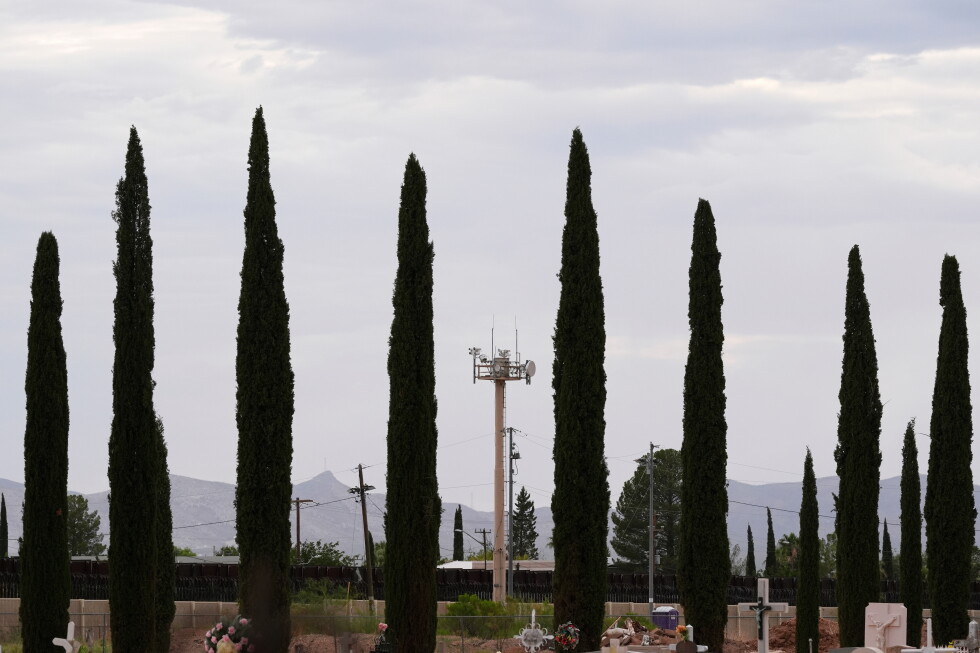
The Trump administration is expediting the construction of a high-tech border security system, dubbed the "smart wall," which comprises 30-foot-tall steel fencing and advanced technology such as sensors, cameras, and surveillance towers. This development follows a substantial investment from Congress to bolster border security. The project has been met with criticism for its enormous financial commitment amidst historically low levels of border crossings. Critics argue that the US is escalating militarization along the border by deploying sophisticated technology, potentially impacting local communities. According to officials, this technology serves as a complementary tool, freeing up agents for other tasks and enhancing overall border security. The Trump administration views this initiative as a priority, with the Department of Homeland Security aiming to complete a preliminary section by next year. Customs and Border Protection (CBP) is currently constructing tens of billions of dollars worth of contracts to build the system, with plans to erect hundreds of miles of wall and augment existing structures with additional technology. However, approximately 535 miles of the 2,000-mile border will not have a physical wall due to rugged terrain; instead, ground sensors and towers will be used. CBP is also retrofitting previously built sections of the wall with more technology, lighting, and roads. The increased use of surveillance technology aims to deter illegal crossings, but critics express concerns about privacy infringement, potential threats to migrants, and the transformation of border areas into hostile environments. Local residents have reported cameras and surveillance towers being placed on their property without consent, raising questions about safety and privacy.
Filed underPolitics
More stories
Politics
Trump Indicates De-escalation of U.S.-Iran Conflict, Averts Further Attacks for Now
— Global Focus Wire Desk
Politics
Cameroon Announces Date for Long-Awaited Legislative and Local Elections
— Global Focus Wire Desk
Politics
Supreme Court Clears Path for Border Wall Construction in Big Bend National Park
— Global Focus Wire Desk
Politics
Massie Pushes for Impeachment Vote on Defense Secretary Hegseth Over Iran Conflict
— Global Focus Wire Desk
Politics
Deadly Blast at Turkey's Leading Steel Factory in Aliaga Kills 16, Injures 13
— Global Focus Wire Desk
Politics
Trump Challenges Midterm Election Integrity, Contradicting Previous Statements
— Global Focus Wire Desk