Thousands Flee Colorado Homes as Aspen Acres Wildfire Rages Uncontrolled
A rapidly expanding wildfire, known as the Aspen Acres Fire, has forced thousands of people to evacuate their homes in southern Colorado.
By Global Focus Wire Desk
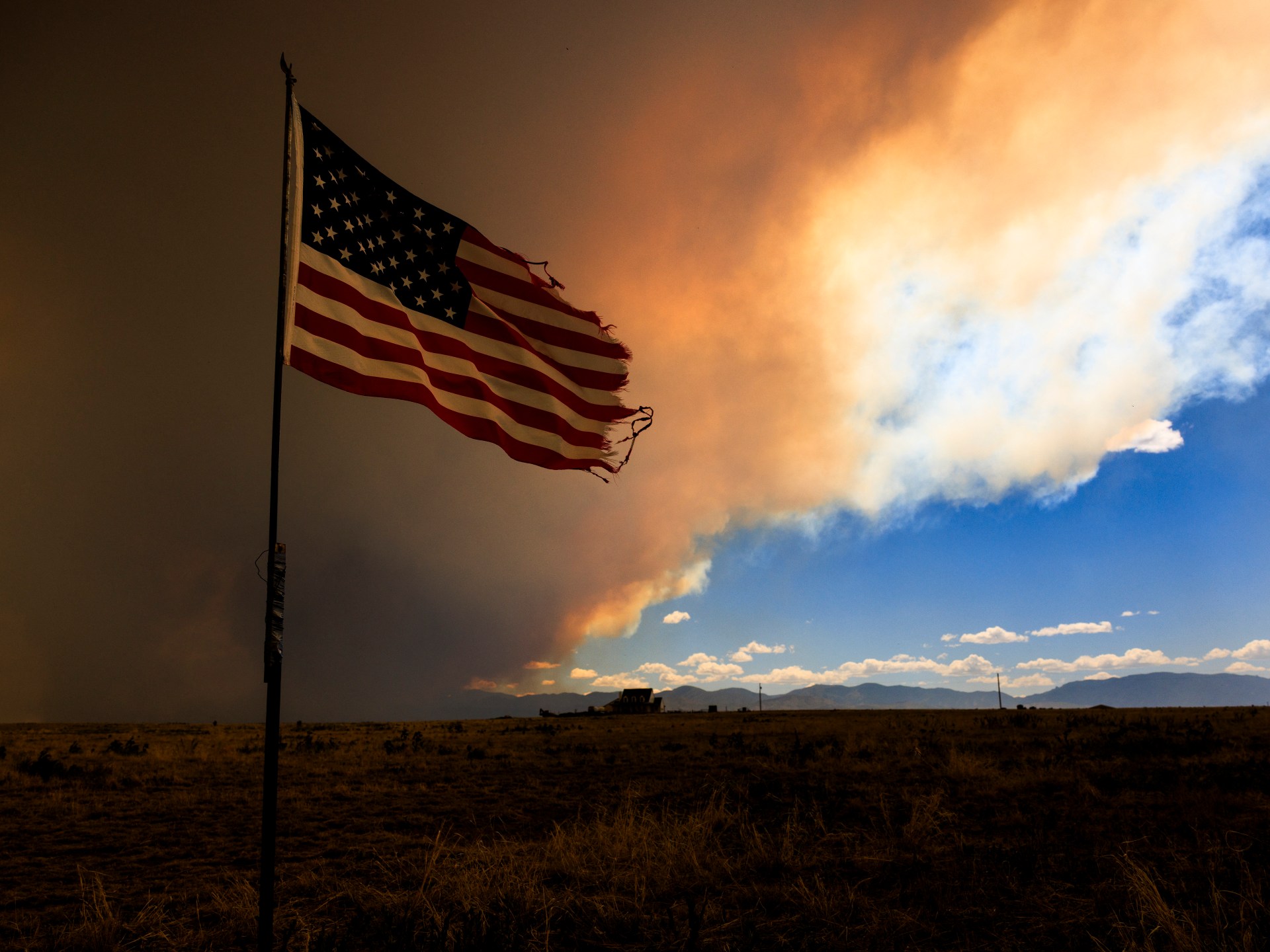
A rapidly expanding wildfire, known as the Aspen Acres Fire, has forced thousands of people to evacuate their homes in southern Colorado. The blaze, one of about 40 large fires currently ravaging the western United States, grew by 44 square kilometers overnight and now covers an area of 272 square kilometers. More than 160 structures have been destroyed, with authorities ordering the evacuation of approximately 2,200 people in Colorado City, as well as residents from nearby communities such as Beulah, Rye, and San Isabel. The fire's rapid spread is being fueled by months of dry weather, record-low snowfall, and exacerbated by climate change. Smoke from the fire has disrupted travel along Interstate 25, causing visibility to drop significantly in some areas. To combat the blaze, about 50 Colorado National Guard soldiers have been deployed to staff road checkpoints in Pueblo and Custer counties and help keep boats away from the Pueblo Reservoir. The cause of the Aspen Acres Fire has been attributed to humans, but no further details have been released. Meanwhile, other fires continue to pose threats across Colorado and neighboring states, with firefighters managing to contain only about 65 percent of the Snyder Fire on the western side of the Rocky Mountains. In Utah, the Cottonwood Fire has grown to over 380 square kilometers, while the Babylon Fire covers an area of 344 square kilombers. These latest fires come less than a week after three firefighters were killed and two others injured while battling two separate fires in the Snyder complex. Wildfire smoke advisories are in effect for parts of Colorado, and many counties are now under fire restrictions, with several professional firework displays already canceled due to extreme fire risk. The National Weather Service has kept Red Flag Warnings in place across much of the state, predicting that hot, dry conditions, low humidity, and gusty winds will continue to create critical fire conditions. While moister weather is expected over the weekend, forecasters have warned that heavier rain could increase the possibility of flash flooding in recently burned areas.
Filed underClimate
More stories
Climate
India Illuminates for Diwali Amid Air Pollution Concerns and Court-Imposed Firecracker Restrictions
— Global Focus Wire Desk
Climate
Containment Reached at 27% for Nevadan Wildfire as Thousands Remain Displaced
— Global Focus Wire Desk
Climate
Scorching Summer Intensifies Caste Discrimination Over Water Access in Drought-Stricken Indian Region
— Global Focus Wire Desk
Climate
Nevada Wildfire Contained at 27%, Destroying More Than 30 Homes Near Reno
— Global Focus Wire Desk
Climate
Thousands Evacuated and Homes Lost as British Columbia Wildfires Rage On
— Global Focus Wire Desk
Climate
Tropical Storm Dolphin Batters Eastern China, Triggering Mass Evacuations and Causing Severe Flooding
— Global Focus Wire Desk