Supreme Court Clears Path for Potential Implementation of Voting Restrictions Ahead of Midterms
In a recent decision, the U.S. Supreme Court has paved the way for potential implementation of President Donald Trump's executive order restricting mail-in voting, though it remains uncertain how…
By Global Focus Wire Desk
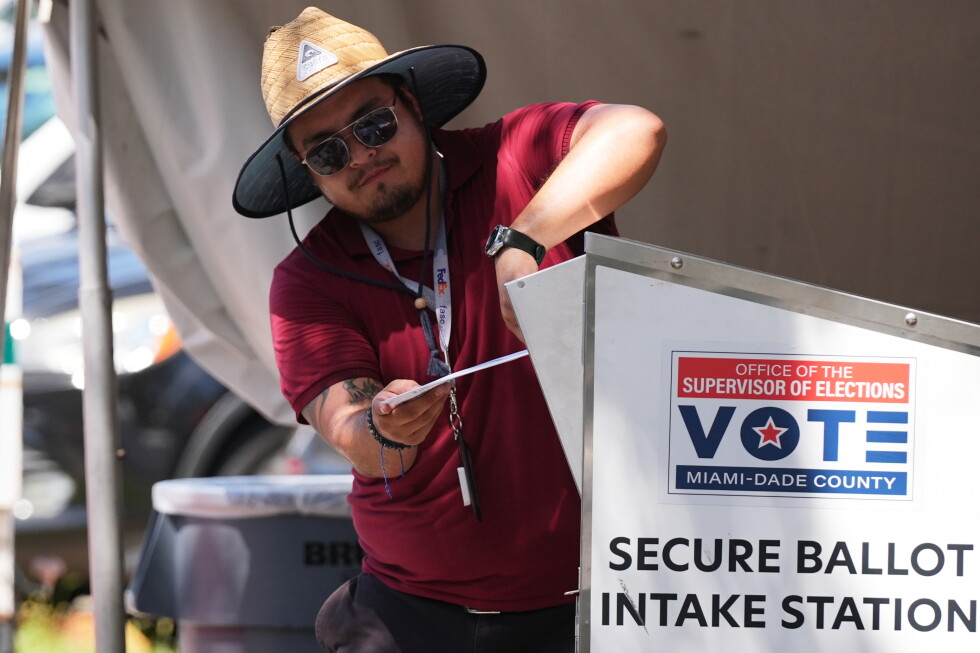
In a recent decision, the U.S. Supreme Court has paved the way for potential implementation of President Donald Trump's executive order restricting mail-in voting, though it remains uncertain how much can be enforced before the midterm elections. The ruling leaves room for additional legal challenges that could further delay the order's implementation, and similar cases have already been filed. The U.S. Postal Service outlined its plans to implement the order last week; however, time is running short to impose major changes. States like North Carolina are distributing ballots as early as September 4, while others will follow suit in a matter of weeks. The conservative majority of the Supreme Court did not rule on the legality of Trump's order but instead determined that states lacked the legal authority to challenge it. Critics argue that the order could create nationwide voting chaos and further politicize the electoral process, as Trump frequently questions election integrity. The liberal justices publicly dissented, with Justice Ketanji Brown Jackson likening the rule to a "Kafkaesque nightmare" created by past court precedents. New York Attorney General Letitia James has promised more legal battles, calling the decision a "painful setback." This ruling opens a path for the administration to restrict mail voting, but it also could lead to additional litigation that may impede federal action. Mail-in balloting has long been a target of Trump's criticism, despite evidence to the contrary and his own use of the method. The executive order, signed in March, calls for the creation of voter eligibility lists and requires the U.S. Postal Service to deliver mail ballots only to individuals on those lists. New requirements would prohibit the Postal Service from sending mail ballots to states that do not comply with Trump's order. The White House has yet to comment on the ruling.
Filed underPolitics
More stories
Politics
Trump Indicates De-escalation of U.S.-Iran Conflict, Averts Further Attacks for Now
— Global Focus Wire Desk
Politics
Cameroon Announces Date for Long-Awaited Legislative and Local Elections
— Global Focus Wire Desk
Politics
Supreme Court Clears Path for Border Wall Construction in Big Bend National Park
— Global Focus Wire Desk
Politics
Massie Pushes for Impeachment Vote on Defense Secretary Hegseth Over Iran Conflict
— Global Focus Wire Desk
Politics
Deadly Blast at Turkey's Leading Steel Factory in Aliaga Kills 16, Injures 13
— Global Focus Wire Desk
Politics
Trump Challenges Midterm Election Integrity, Contradicting Previous Statements
— Global Focus Wire Desk