Shifting Dynamics in Sudan's Conflict: Military Advancements, Defections, and Political Push
Amidst a contested battlefield, signs of a changing dynamic are emerging in Sudan's ongoing conflict. The Sudanese armed forces (SAF) have recently made significant gains in North Kordofan state…
By Global Focus Wire Desk
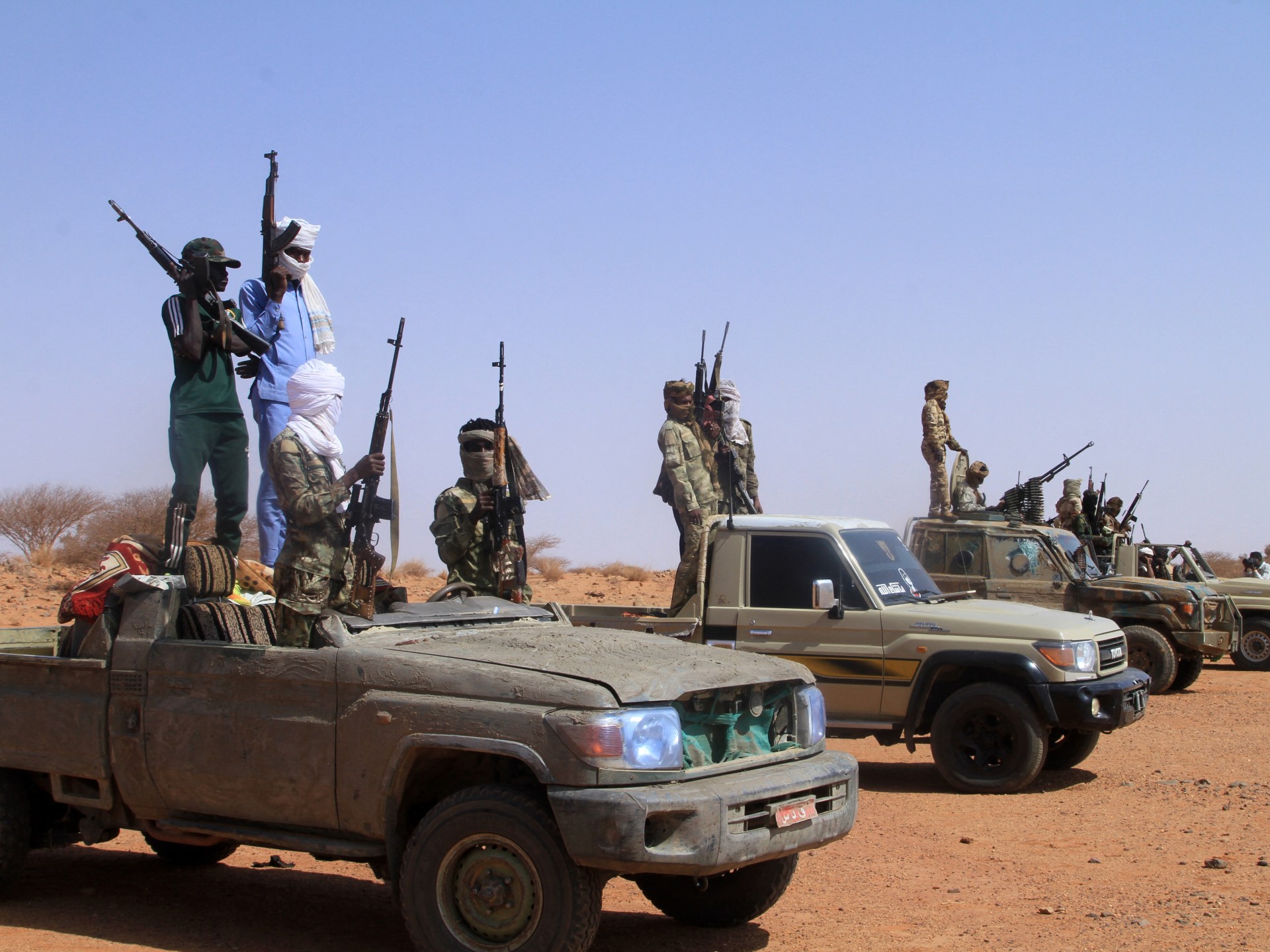
Amidst a contested battlefield, signs of a changing dynamic are emerging in Sudan's ongoing conflict. The Sudanese armed forces (SAF) have recently made significant gains in North Kordofan state, securing key routes like the National Exports Road and putting pressure on the Rapid Support Forces (RSF) supply lines. This military success has coincided with a rise in RSF defections, which some analysts attribute to internal problems, social and tribal dynamics, and battlefield developments. Simultaneously, army chief General Abdel Fattah al-Burhan is initiating a political process, offering temporary immunity and guarantees for participants in a national dialogue, while maintaining the military campaign. Despite these moves, al-Burhan has expressed reluctance to accept a peace deal that would grant power to RSF commander Mohamed Hamdan Dagalo (Hemedti) and his supporters, and he continues to reject truces that allow the RSF to reorganize. The future of Sudan's political landscape remains uncertain as al-Burhan pursues both military pressure and a political process aimed at preserving the state and its institutions.
Filed underConflict
More stories
Conflict
Tragedy in Oviedo: Police Officer Killed, Colleague Injured in Backpack Explosion
— Global Focus Wire Desk
Conflict
DR Congo Military Court Imposes Death Sentences on 66 Soldiers for Desertion and Disobedience
— Global Focus Wire Desk
Conflict
Two Missiles Intercepted Over Saudi Arabia Following Houthi Attack on Pipeline
— Global Focus Wire Desk
Conflict
Americans Shun Pro-War Candidates, Prioritizing Economic Stability Over Military Actions in Iran
— Global Focus Wire Desk
Conflict
U.S. Agencies Collaborate to Enhance Counter-drone Measures Across the Nation
— Global Focus Wire Desk
Conflict
Contentious Debate Erupts Over Rebuilding Hitler's Destroyed Alpine Retreat, The Eagle's Nest
— Global Focus Wire Desk