Seafarers Caught in Crossfire: Deaths and Destruction in the Strait of Hormuz
Since the US-Israeli conflict with Iran escalated on February 28, at least 25 seafarers have lost their lives in attacks on commercial vessels traversing the Strait of Hormuz.
By Global Focus Wire Desk
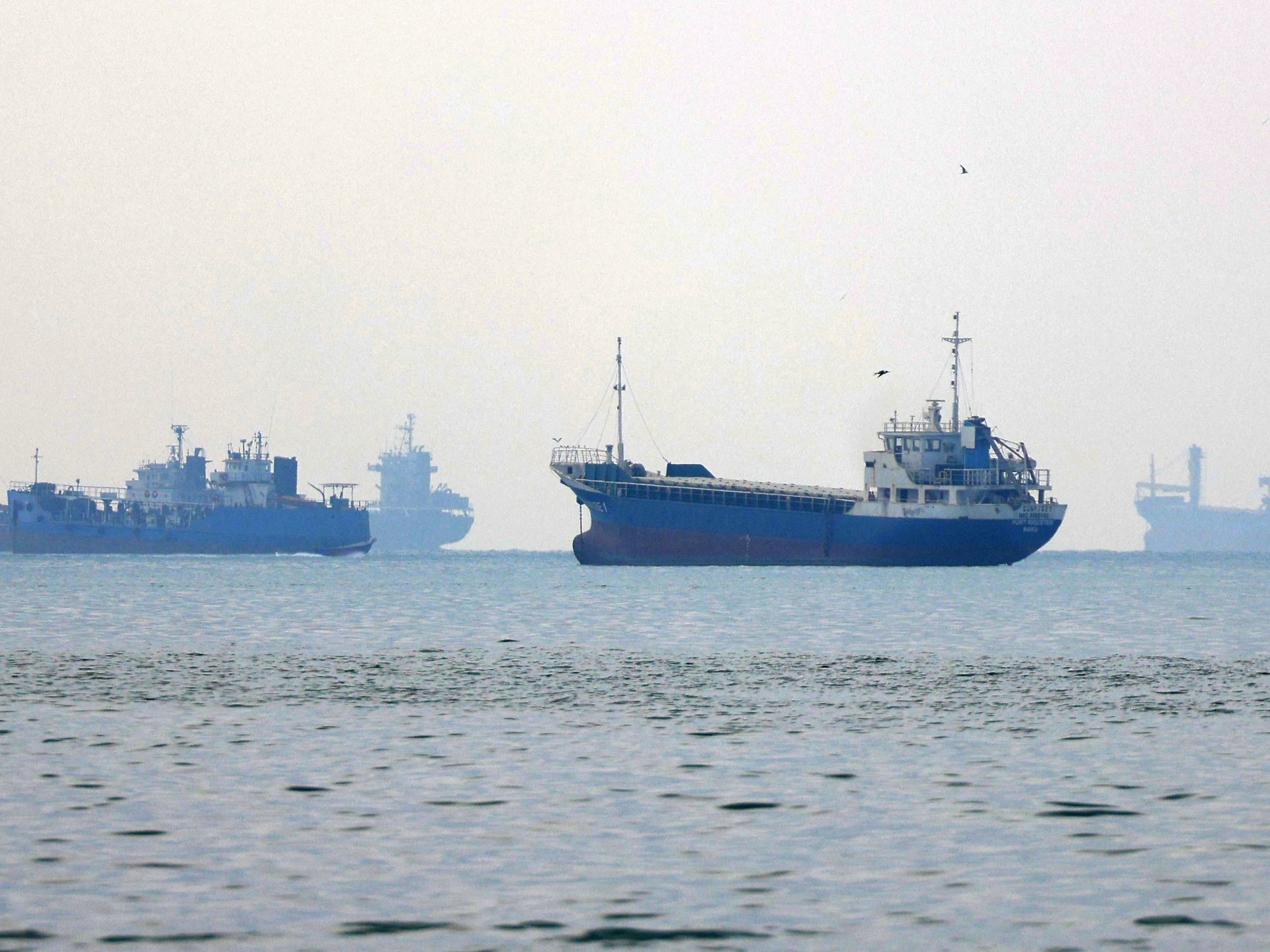
Since the US-Israeli conflict with Iran escalated on February 28, at least 25 seafarers have lost their lives in attacks on commercial vessels traversing the Strait of Hormuz. The region, one of the world's busiest shipping corridors, has been transformed into a hazardous route for oil, gas, and other cargo transport. Iran's Islamic Revolutionary Guard Corps recently reported explosions and fires on three "rogue" tankers in the strait. The International Maritime Organization (IMO) is monitoring these incidents, as well as over 129 reported cases since the conflict began. Many of the victims are merchant sailors from India, a major provider of seafarers worldwide. The International Chamber of Shipping (ICS) condemns the ongoing danger to these workers, urging all parties to prioritize their safety. The Strait of Hormuz is crucial for international shipping; before the war, it accounted for approximately one-fifth of global oil consumption. Iran has threatened ships without authorization, while the US has imposed a naval blockade on Iranian ports. Attacks on shipping have involved missiles, projectiles, and naval mines, resulting in damaged vessels, fires, and sunken ships. India has been particularly affected, with at least 16 of its nationals killed since June. The mental health of seafarers has also suffered due to the conflict, according to the ICS. As of October, over 6,000 seafarers were still stranded near the Strait of Hormuz, and an agreement negotiated in March allows them to refuse dangerous assignments and receive compensation. However, not all seafarers are covered by these protections, and many continue to face mental distress. Maritime charities warn of the severe mental suffering endured by seafarers in the Gulf, citing loneliness, anxiety, and distress as common experiences.
Filed underWorld
More stories
World
Ancestral Naga Skulls Returned to Nagaland by Oxford Museum for a Joint Memorial and Burial
— Global Focus Wire Desk
World
Stranded Round-the-World Cruise Ship Seized in Singapore after Operator's Financial Collapse
— Global Focus Wire Desk
World
US, Russia, and Ukraine Hold Talks in Abu Dhabi to End War in Ukraine
— Global Focus Wire Desk
World
European Diplomats Advocate for Involvement in Russia-Ukraine Negotiations at G7 Meeting
— Global Focus Wire Desk
World
Global Energy Tussle: US-China Rivalry and Its Impact on Household Bills Worldwide
— Global Focus Wire Desk
World
Honduran Court Delays Verdict in Sex-Trafficking Case Linked to Angie Pena's Disappearance
— Global Focus Wire Desk