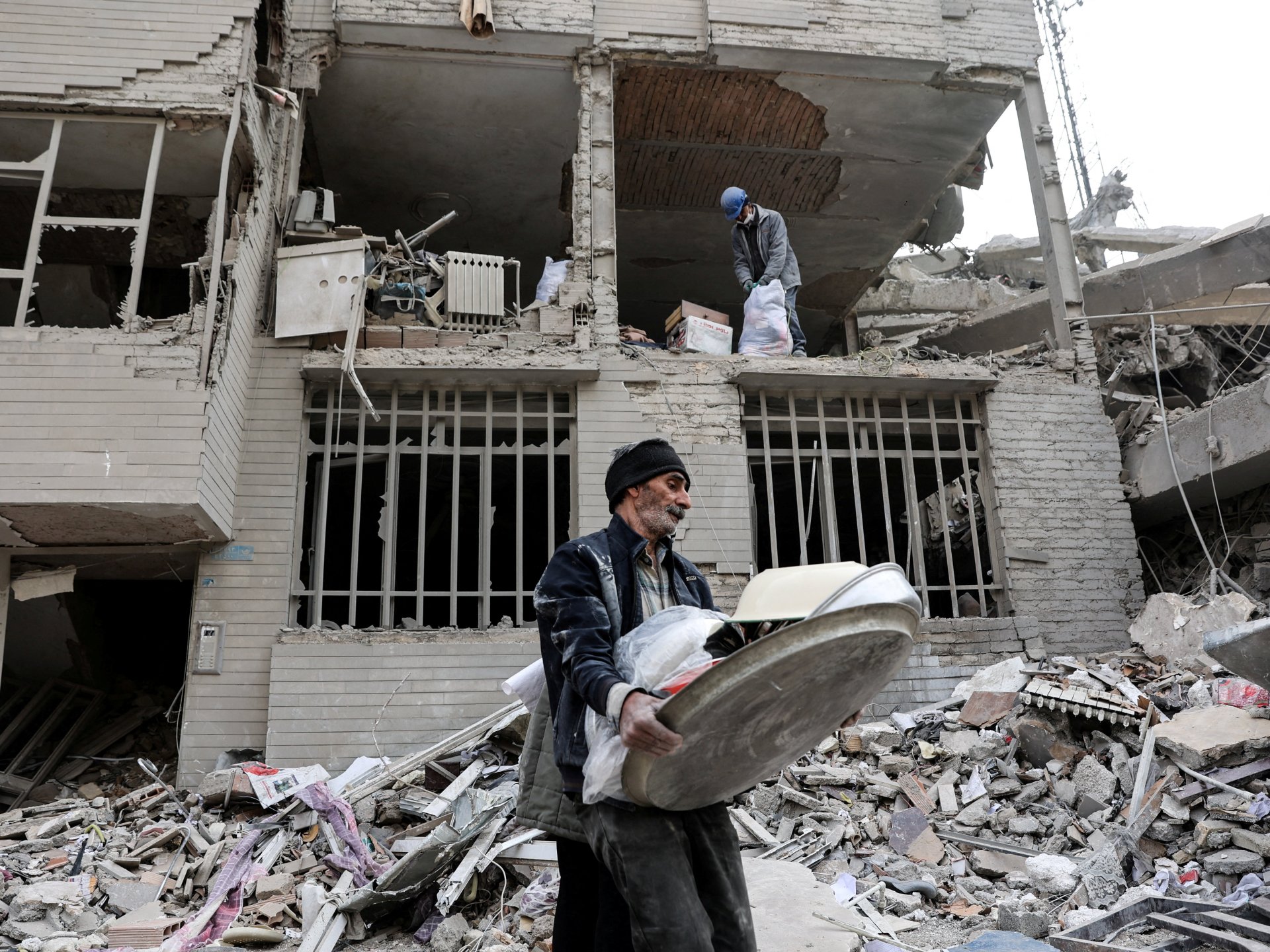
Amid positive closed-door talks at the White House, momentum is building for a potential resolution to the US-Iran conflict. US President Donald Trump and Qatar's Prime Minister Sheikh Mohammed bin Abdulrahman bin Jassim Al Thani have expressed optimism, with Trump stating that the war is "effectively" over. However, both sides maintain their military readiness, and Iran has come under attack. The recent crushing Republican defeat in the US midterm elections could inject new life into stalled diplomatic talks, as analysts suggest it raises the political cost of further escalation. Negotiations may be key to ending the conflict, which has contributed to rising living costs and disrupted the global energy market. Outgoing Republican lawmaker Thomas Massie moved to impeach US Defense Secretary Pete Hegseth over the war in Iran, signaling potential opposition within Congress. Additionally, Israeli Prime Minister Benjamin Netanyahu, a main ally in the conflict, faces an uncertain political future following the October 27 general election. Qatar's intensive mediation efforts have also created a diplomatic pathway out of the conflict, leading to a sharp drop in oil prices and easing inflation concerns. However, a diplomatic breakthrough is not guaranteed, with Iran demanding seven conditions, including the removal of the naval blockade and the unfreezing of Iranian assets.
Diplomatic efforts to end the longstanding conflict between the United States and Iran have gained momentum, with positive closed-door talks taking place at the White House. US President Donald Trump has indicated that the war is "effectively" over, but both sides maintain their military readiness. The recent crushing Republican defeat in the US midterm elections could inject new life into stalled diplomatic talks, as analysts suggest it raises the political cost of further escalation. Outgoing Republican lawmaker Thomas Massie has moved to impeach US Defense Secretary Pete Hegseth over the war in Iran, signaling potential opposition within Congress. Additionally, Israeli Prime Minister Benjamin Netanyahu, a main ally in the conflict, faces an uncertain political future following the October 27 general election. Qatar's intensive mediation efforts have created a diplomatic pathway out of the conflict, leading to a sharp drop in oil prices and easing inflation concerns. However, Iran has set seven conditions for negotiations, including the removal of the naval blockade and the unfreezing of Iranian assets, which could prove costly for the Trump administration.
Qatar's intensive mediation efforts have created a diplomatic pathway out of the longstanding conflict between the United States and Iran, leading to renewed hopes for peace. Positive closed-door talks took place at the White House recently, with US President Donald Trump indicating that the war is "effectively" over. However, both sides maintain their military readiness, and Iran has come under attack. The recent crushing Republican defeat in the US midterm elections could inject new life into stalled diplomatic talks, as analysts suggest it raises the political cost of further escalation. Outgoing Republican lawmaker Thomas Massie has moved to impeach US Defense Secretary Pete Hegseth over the war in Iran, signaling potential opposition within Congress. Additionally, Israeli Prime Minister Benjamin Netanyahu, a main ally in the conflict, faces an uncertain political future following the October 27 general election. A diplomatic breakthrough could result in a sustained reduction in energy costs and consumer prices, as oil prices have fallen sharply amid renewed hopes for talks. However, Iran has set seven conditions for negotiations, including the removal of the naval blockade and the unfreezing of Iranian assets, which could prove costly for the Trump administration.