Potential Heat Safety Concerns for FIFA World Cup Matches Amidst North American Heatwave
The ongoing heatwave sweeping across North America is set to impact several cities hosting matches in the 2026 FIFA World Cup, particularly during this week's knockout stages.
By Global Focus Wire Desk
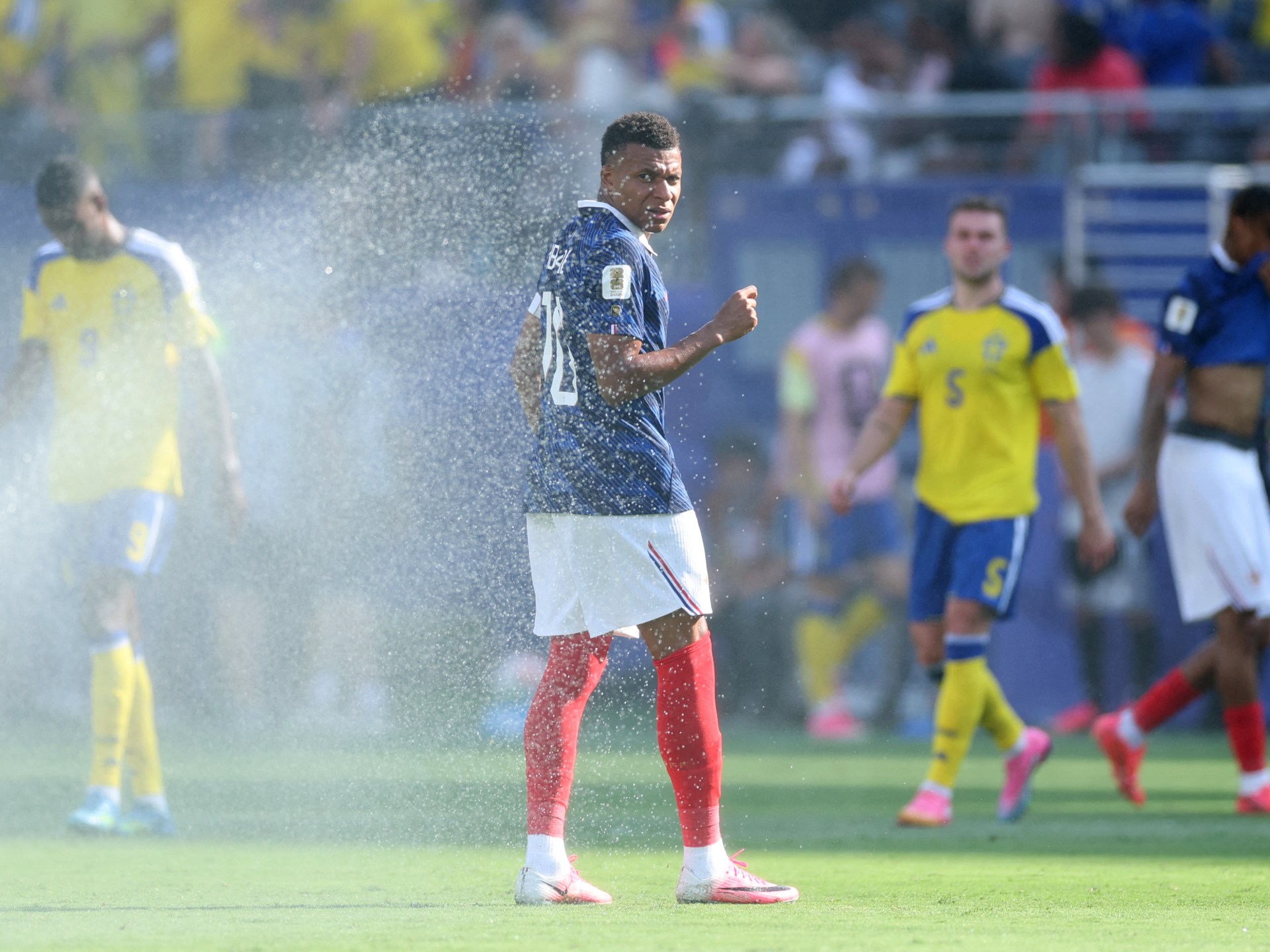
The ongoing heatwave sweeping across North America is set to impact several cities hosting matches in the 2026 FIFA World Cup, particularly during this week's knockout stages. With temperatures forecasted to exceed 43 degrees Celsius (110 degrees Fahrenheit) in some host cities like Toronto, Kansas City, Miami, and Philadelphia, health authorities have issued warnings regarding potential heat-related issues. For instance, Toronto Stadium has urged fans attending the Portugal vs Croatia match on Thursday to stay hydrated and limit alcohol consumption due to anticipated temperatures of 40C (104F) with humidity. Similarly, the matches between Colombia and Ghana in Kansas City, Argentina and Cape Verde in Miami, and Paraguay and France in Philadelphia are all expected to be played under extreme heat conditions. FIFA is taking measures to protect players by shortening the operating hours of its Fan Festival and providing hydration breaks, but spectators will largely rely on shade, misting stations, and cooling zones provided by organizers for relief. Notably, stadiums in Atlanta, Dallas, and Houston have retractable roofs and air conditioning, while Toronto, Philadelphia, and Kansas City's open-air stadiums could expose around 43,000, 68,000, and 69,000 fans, respectively, to the sun. The heat can pose significant risks for players, including dehydration, dizziness, cramping, headaches, and extreme fatigue, leading in severe cases to exertional heat stroke. To mitigate these risks, teams are allowed up to five substitutions, there are at least three rest days between matches, and staff and substitutes at outdoor stadiums have access to climate-controlled benches. FIFA has designed the schedule with the heat in mind, strategically limiting outdoor matches during the hottest parts of the day and prioritizing covered stadiums where possible. This comes after last year's Club World Cup in the United States, where extreme heat was identified as a concern by the global players' union. To stay safe, fans are advised to drink water before feeling thirsty, take breaks in shade or air conditioning whenever possible, limit alcohol consumption, and avoid long periods in direct sunlight. Medical teams will be stationed at FIFA Fan Festival sites and around stadiums to respond to heat-related illnesses, while some host cities have expanded access to shade, cooling areas, and free water for fans and workers. It is also crucial to recognize the warning signs of heat-related illnesses, including dizziness, confusion, severe fatigue, or a lack of sweating.
Filed underWorld
More stories
World
Ancestral Naga Skulls Returned to Nagaland by Oxford Museum for a Joint Memorial and Burial
— Global Focus Wire Desk
World
Stranded Round-the-World Cruise Ship Seized in Singapore after Operator's Financial Collapse
— Global Focus Wire Desk
World
US, Russia, and Ukraine Hold Talks in Abu Dhabi to End War in Ukraine
— Global Focus Wire Desk
World
European Diplomats Advocate for Involvement in Russia-Ukraine Negotiations at G7 Meeting
— Global Focus Wire Desk
World
Global Energy Tussle: US-China Rivalry and Its Impact on Household Bills Worldwide
— Global Focus Wire Desk
World
Honduran Court Delays Verdict in Sex-Trafficking Case Linked to Angie Pena's Disappearance
— Global Focus Wire Desk