Potential Caregiving Crisis Looms as US Ends Temporary Protected Status for Haitians
The United States Supreme Court's recent decision allows President Donald Trump's administration to terminate Temporary Protected Status (TPS) for Haitian immigrants, jeopardizing the legal status…
By Global Focus Wire Desk
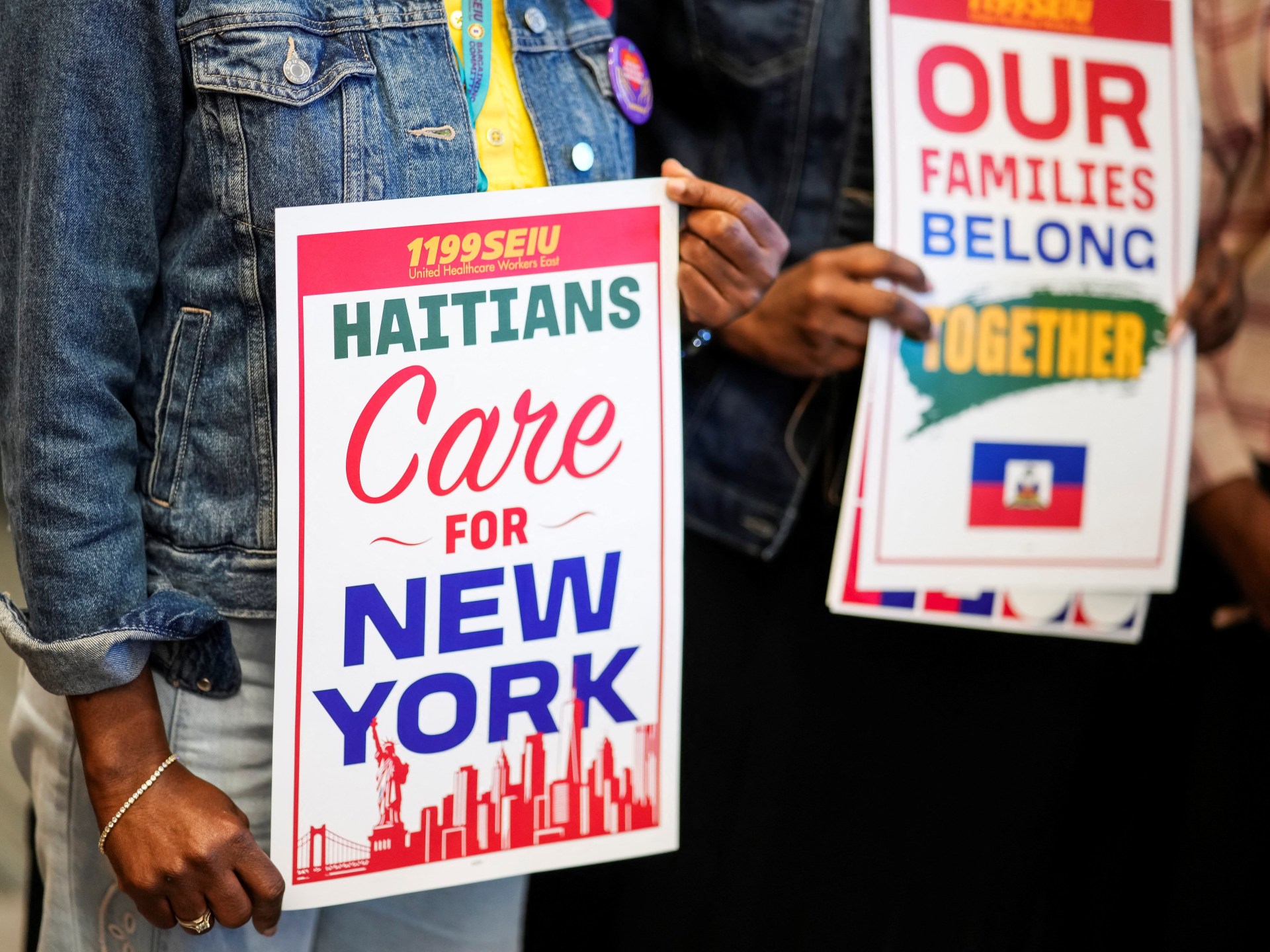
The United States Supreme Court's recent decision allows President Donald Trump's administration to terminate Temporary Protected Status (TPS) for Haitian immigrants, jeopardizing the legal status of approximately 330,000 individuals. This decision has raised concerns among lawmakers and healthcare experts, as one-third of these Haitians work in the US healthcare system, potentially creating a caregiving crisis, particularly in sectors like nursing homes, hospitals, and intellectual disabilities communities. The TPS program permits nationals from countries affected by crises to reside in the US for up to 18 months, but the Trump administration's decision affects Haitians whose work authorizations expire on July 10, potentially leading to their deportation unless they qualify for another status. Notably, this ruling also applies to Syrians and Venezuelans. In Florida, home to nearly 404,000 TPS recipients—the most in the US—over half are from Venezuela, and about one-third are from Haiti. With an aging population and a pre-existing caregiver shortage, healthcare experts warn that the termination of TPS for Haitians could significantly impact the US healthcare industry, particularly in states like New York, Massachusetts, and Florida, which have large elderly populations and immigrant communities. The exodus of the TPS healthcare workforce is expected to strain an already overburdened system, as immigrants are more likely to work in healthcare, with one study finding that they represent 15 percent of all noncitizen healthcare workers.
Filed underPolitics
More stories
Politics
Trump Indicates De-escalation of U.S.-Iran Conflict, Averts Further Attacks for Now
— Global Focus Wire Desk
Politics
Cameroon Announces Date for Long-Awaited Legislative and Local Elections
— Global Focus Wire Desk
Politics
Supreme Court Clears Path for Border Wall Construction in Big Bend National Park
— Global Focus Wire Desk
Politics
Massie Pushes for Impeachment Vote on Defense Secretary Hegseth Over Iran Conflict
— Global Focus Wire Desk
Politics
Deadly Blast at Turkey's Leading Steel Factory in Aliaga Kills 16, Injures 13
— Global Focus Wire Desk
Politics
Trump Challenges Midterm Election Integrity, Contradicting Previous Statements
— Global Focus Wire Desk