Pentagon Urges Accelerated Weapons Production to Replenish Depleted Stockpiles
In a bid to bolster the U.S. military's arsenal, the Pentagon is urging American defense companies to expedite the production of weapons to replenish its depleted stockpile of munitions, including…
By Global Focus Wire Desk
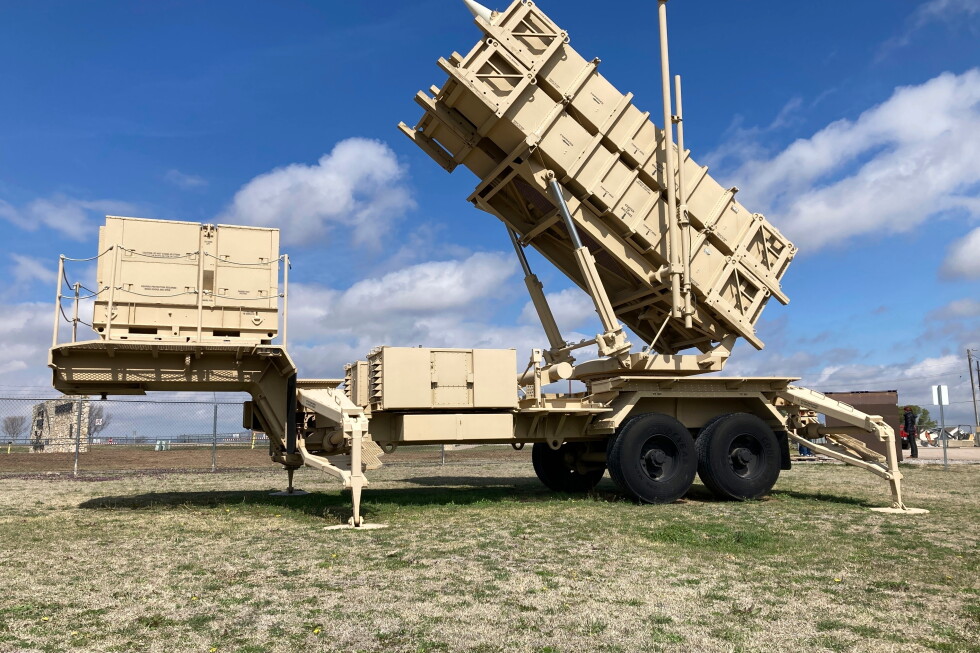
In a bid to bolster the U.S. military's arsenal, the Pentagon is urging American defense companies to expedite the production of weapons to replenish its depleted stockpile of munitions, including those used in the ongoing conflict with Iran. In a statement on Saturday, Pentagon spokesman Sean Parnell confirmed that the department was actively working towards boosting munitions acquisitions, aiming to provide the necessary weapons for warfighters at the pace the threat demands. This push for accelerated production is part of a broader modernization effort, initiated prior to the five-month-old conflict, but has gained urgency in light of recent fighting with Iran that has depleted existing stocks further. On Wednesday, Deputy Defense Secretary Steve Feinberg wrote to industry leaders, giving them 21 days to submit plans for faster delivery schedules and increased production for critical capabilities. This memo comes as the ongoing conflict has used up more of the U.S. military's already diminished stockpiles of advanced missile interceptors, potentially putting American troops at risk if hostilities resume. The Center for Strategic and International Studies (CSIS) recently analyzed that shrunken inventories of Patriot and THAAD interceptors may force the U.S. and its Middle Eastern allies to take more risks to conserve those air defenses, increasing the chance of incoming Iranian drones and missiles getting through. President Donald Trump has dismissed public reports of a munitions shortage, but Feinberg's memo seeking a rapid escalation of weapons production is aimed at addressing these concerns, with plans for the fiscal year 2028 budget submission to Congress. However, a defense spending bill is currently stalled in Congress due to lawmakers' discontent over Trump's military action against Iran and resistance to the White House request to significantly increase Pentagon spending to $1.5 trillion, up from about $900 billion last year. Despite these challenges, the Pentagon remains committed to rebuilding its defense industrial base and meeting the demands of the threat landscape.
Filed underConflict
More stories
Conflict
Tragedy in Oviedo: Police Officer Killed, Colleague Injured in Backpack Explosion
— Global Focus Wire Desk
Conflict
DR Congo Military Court Imposes Death Sentences on 66 Soldiers for Desertion and Disobedience
— Global Focus Wire Desk
Conflict
Two Missiles Intercepted Over Saudi Arabia Following Houthi Attack on Pipeline
— Global Focus Wire Desk
Conflict
Americans Shun Pro-War Candidates, Prioritizing Economic Stability Over Military Actions in Iran
— Global Focus Wire Desk
Conflict
U.S. Agencies Collaborate to Enhance Counter-drone Measures Across the Nation
— Global Focus Wire Desk
Conflict
Contentious Debate Erupts Over Rebuilding Hitler's Destroyed Alpine Retreat, The Eagle's Nest
— Global Focus Wire Desk