Oil Glut Looms as Strait of Hormuz Reopens and Iranian Crude Resumes Export
After a US-Iran agreement and indirect talks in Qatar, the Strait of Hormuz is reopening faster than anticipated, potentially destabilizing global energy markets.
By Global Focus Wire Desk
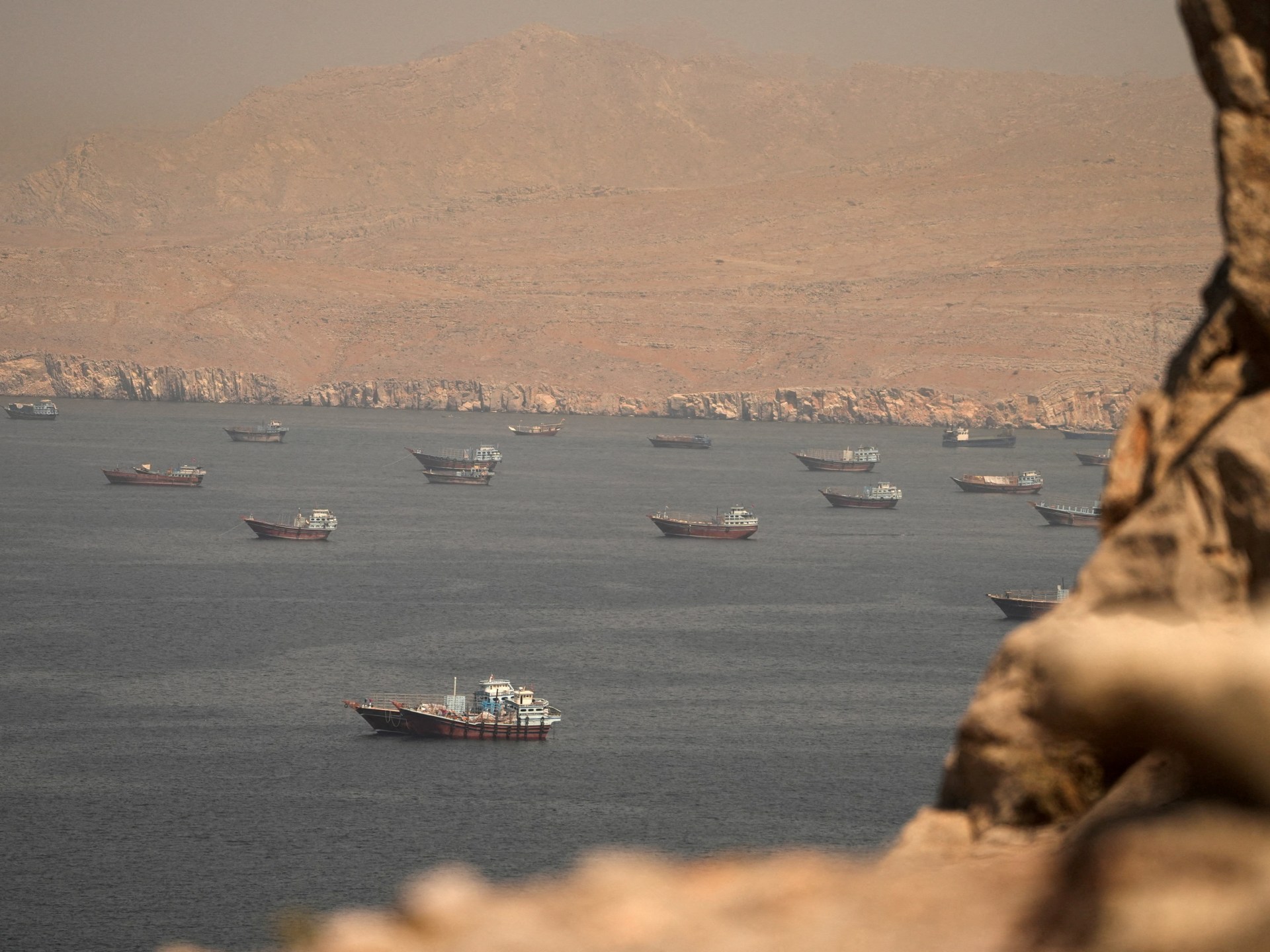
After a US-Iran agreement and indirect talks in Qatar, the Strait of Hormuz is reopening faster than anticipated, potentially destabilizing global energy markets. The resumption of oil flow has caused concern over a possible oil surplus, as Chinese oil imports plunge and Morgan Stanley reduced its oil forecasts for the second time in two weeks, warning of a glut. Analysts warn that this forecast hinges on China's low-level oil imports persisting and the fragile truce between the US and Iran holding steady. The US and Iran signed a memorandum of understanding (MoU) on June 17, initiating a 60-day negotiation period for a permanent peace deal that includes free passage for many tankers stranded in the Strait since the war began. However, the agreement's wording has been contentious, with Iran asserting control of the strait jointly with Oman. Despite high geopolitical uncertainty, oil transit has resumed more quickly than expected, causing prices to drop. On Thursday, 35 oil and gas tankers exited the Strait of Hormuz, marking a return to pre-war levels. Brent futures fell $0.79 to $70.78 a barrel, while US West Texas Intermediate crude dropped $0.84 to $67.74 a barrel. Professor Mohammad Reza Farzanegan of the Center for Near and Middle Eastern Studies (CNMS) expressed caution over Morgan Stanley's forecast, stating that the market is still uncertain about Hormuz flows and Iranian oil exports. Meanwhile, China has reduced its imports, tapping into commercial stockpiles and importing crude from alternative countries such as Russia, Kazakhstan, Brazil, Indonesia, and Venezuela to counterbalance the global oil markets. As the Strait of Hormuz reopens, China's imports remain low while producers increase their output, potentially leading to a glut of oil. Additionally, with Washington temporarily lifting oil sanctions on Iran, Iranian crude exports are picking up again, with more than 20 million barrels ready to sail for at least seven days, according to global trade intelligence group Kpler. The overall estimated volume of Iran's oil loaded onto ships ranges from 58 million to 68 million barrels since the US sanctions waiver came into effect last week. Almost all of these cargoes already on the water have no clear destination, as independent Chinese refiners seek deals elsewhere. Furthermore, the increase in oil production from the Americas could add to predictions of a glut, with the US, Canada, Brazil, and Argentina boosting their oil outputs this year. With both China's low imports and increased American production potentially leading to a surplus, analysts are cautious about the stability of global energy markets.
Filed underWorld
More stories
World
Ancestral Naga Skulls Returned to Nagaland by Oxford Museum for a Joint Memorial and Burial
— Global Focus Wire Desk
World
Stranded Round-the-World Cruise Ship Seized in Singapore after Operator's Financial Collapse
— Global Focus Wire Desk
World
US, Russia, and Ukraine Hold Talks in Abu Dhabi to End War in Ukraine
— Global Focus Wire Desk
World
European Diplomats Advocate for Involvement in Russia-Ukraine Negotiations at G7 Meeting
— Global Focus Wire Desk
World
Global Energy Tussle: US-China Rivalry and Its Impact on Household Bills Worldwide
— Global Focus Wire Desk
World
Honduran Court Delays Verdict in Sex-Trafficking Case Linked to Angie Pena's Disappearance
— Global Focus Wire Desk