Ohio Voter Registration Law Blocked by Federal Court over Eligibility Requirements
In a significant decision, United States District Judge Solomon Oliver Jr. has temporarily halted an amended Ohio law that demanded proof of citizenship from residents seeking to register to vote…
By Global Focus Wire Desk
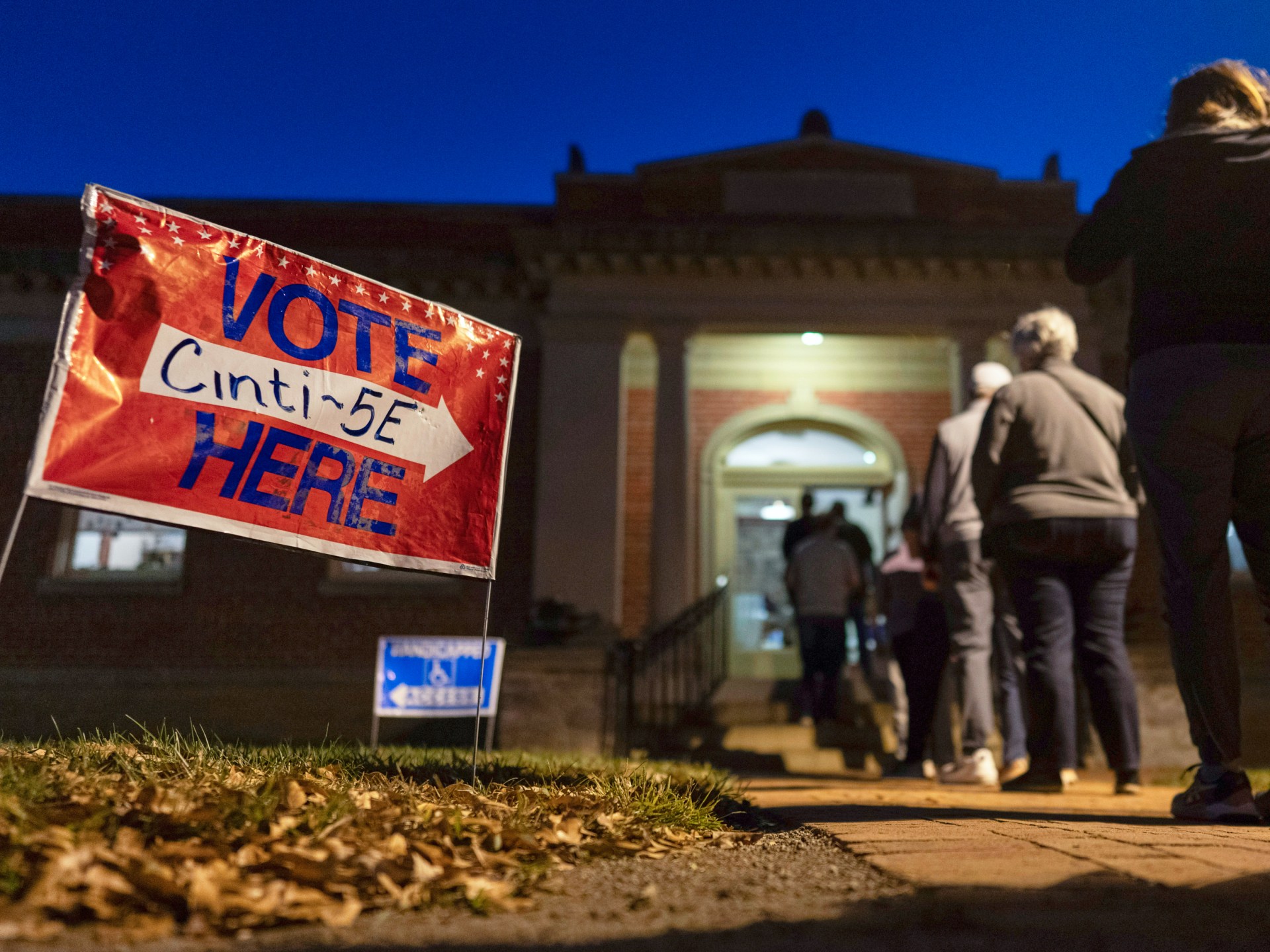
In a significant decision, United States District Judge Solomon Oliver Jr. has temporarily halted an amended Ohio law that demanded proof of citizenship from residents seeking to register to vote while also obtaining a driver's license. The judge granted a preliminary injunction against the law, arguing that it potentially breaches the US National Voter Registration Act (NVRA) by requesting excess information to determine a resident's voting eligibility. In his ruling on Tuesday, Judge Oliver asserted that election officials do not require documentary proof of citizenship to verify a voter registration applicant's citizenship status, as signed attestation is sufficient. The judge also highlighted a provision in the act stating that each US state's driver's license application should serve as an application for voter registration unless the applicant fails to sign the voter registration form. According to Oliver, Ohio must provide applicants with the opportunity to register upon submission of their driver's license application, rather than after approval by the Bureau of Motor Vehicles (BMV). The original "motor-voter" law passed in Ohio in 1995 enabled residents to register to vote when they applied for a driver's license. However, last year, the Republican-controlled legislature amended the law as part of an effort to address unsubstantiated claims, promoted by US President Donald Trump, about noncitizens voting in Ohio elections. It is important to note that under US law, noncitizens are prohibited from participating in federal elections. The ruling represents a victory for voting rights advocates like Red Wine & Blue, who filed a lawsuit against Ohio's Secretary of State, Frank LaRose, alleging that the law disenfranchised eligible voters and violated the NVRA. One of the group's lawyers, Ben Stafford, commended the ruling, describing it as "a win for Ohio voters." In a statement, Stafford, an attorney at Elias Law Group, stated that eligible Ohioans would now have the opportunity to register to vote at the BMV without having to submit unnecessary paperwork not required by federal law. LaRose's office has expressed disagreement with the decision and plans to appeal.
Filed underPolitics
More stories
Politics
Trump Indicates De-escalation of U.S.-Iran Conflict, Averts Further Attacks for Now
— Global Focus Wire Desk
Politics
Cameroon Announces Date for Long-Awaited Legislative and Local Elections
— Global Focus Wire Desk
Politics
Supreme Court Clears Path for Border Wall Construction in Big Bend National Park
— Global Focus Wire Desk
Politics
Massie Pushes for Impeachment Vote on Defense Secretary Hegseth Over Iran Conflict
— Global Focus Wire Desk
Politics
Deadly Blast at Turkey's Leading Steel Factory in Aliaga Kills 16, Injures 13
— Global Focus Wire Desk
Politics
Trump Challenges Midterm Election Integrity, Contradicting Previous Statements
— Global Focus Wire Desk