Nizhnekamsk Drone Strike: Ukraine Targets Russian Oil Hub, Killing 13 and Injuring 75
On Monday, Ukrainian forces launched a drone attack on the petroleum hub of Nizhnekamsk in Russia's Tatarstan region, resulting in the deaths of 13 individuals and injuries to 75 others.
By Global Focus Wire Desk
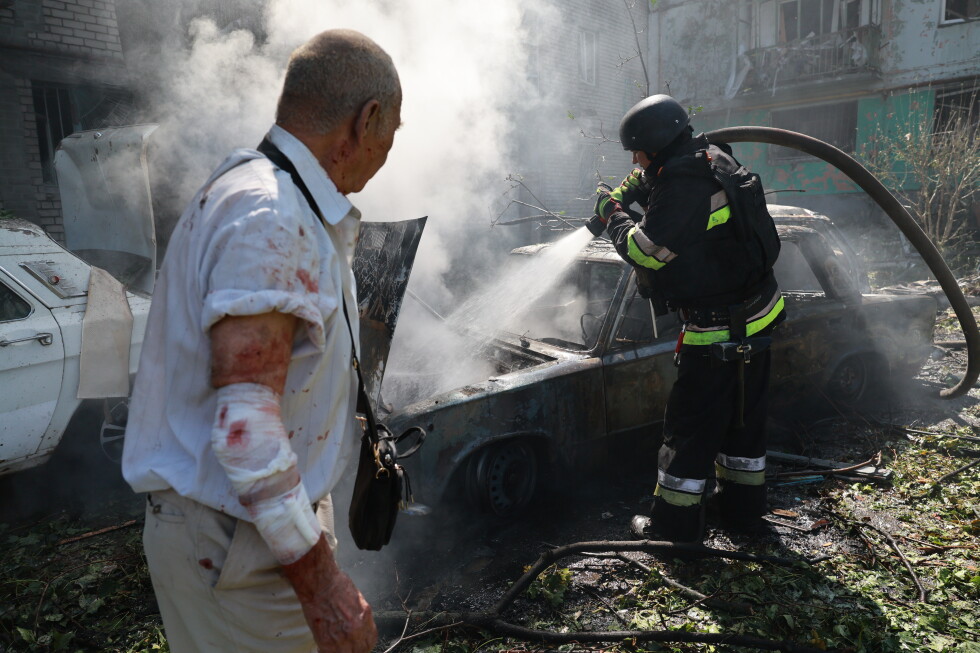
On Monday, Ukrainian forces launched a drone attack on the petroleum hub of Nizhnekamsk in Russia's Tatarstan region, resulting in the deaths of 13 individuals and injuries to 75 others. The assault targeted an oil refinery located approximately 1,200 kilometers east of the Ukrainian border, with a population of around 240,000 residents. Local authorities reported that two refineries and a petrochemical plant in the city were affected by the attack. This is one of the deadliest incidents in the four-year-old conflict between Ukraine and Russia. The Ukrainian military claimed responsibility for the strike, stating it was part of their ongoing campaign to target Russian oil facilities with long-range drones. In recent months, this strategy has caused fuel shortages, disrupted refining capacity, and unsettled the population within Russia. Furthermore, several Ukrainian drones sparked a fire at an industrial facility in the Tyumen region of western Siberia on Monday. President Volodymyr Zelenskyy of Ukraine asserts that the objective is to force Russian President Vladimir Putin to the negotiating table and halt his full-scale invasion launched in 2022. Russia, a major global energy producer, has faced repercussions from these attacks, including repair complications due to damaged specialized equipment and international sanctions evasion. Additionally, the United Nations reported that one of its warehouses in central Ukraine was hit twice within 24 hours last week, destroying emergency supplies worth an estimated $500,000 intended for front-line health facilities. This parallel campaign aims to disrupt Russian military supply lines in eastern and southern Ukraine by repeatedly striking routes for fuel, ammunition, and reinforcements, slowing down and making logistics more expensive and difficult for the Russians.
Filed underConflict
More stories
Conflict
Tragedy in Oviedo: Police Officer Killed, Colleague Injured in Backpack Explosion
— Global Focus Wire Desk
Conflict
DR Congo Military Court Imposes Death Sentences on 66 Soldiers for Desertion and Disobedience
— Global Focus Wire Desk
Conflict
Two Missiles Intercepted Over Saudi Arabia Following Houthi Attack on Pipeline
— Global Focus Wire Desk
Conflict
Americans Shun Pro-War Candidates, Prioritizing Economic Stability Over Military Actions in Iran
— Global Focus Wire Desk
Conflict
U.S. Agencies Collaborate to Enhance Counter-drone Measures Across the Nation
— Global Focus Wire Desk
Conflict
Contentious Debate Erupts Over Rebuilding Hitler's Destroyed Alpine Retreat, The Eagle's Nest
— Global Focus Wire Desk