Myanmar's Human Rights Crisis Worsens: UN Report Details Abuses Against Rohingya and Illicit Economies
The United Nations has released a damning report, stating that the human rights situation in Myanmar has reached a new low due to escalating brutality against the Rohingya minority and the…
By Global Focus Wire Desk
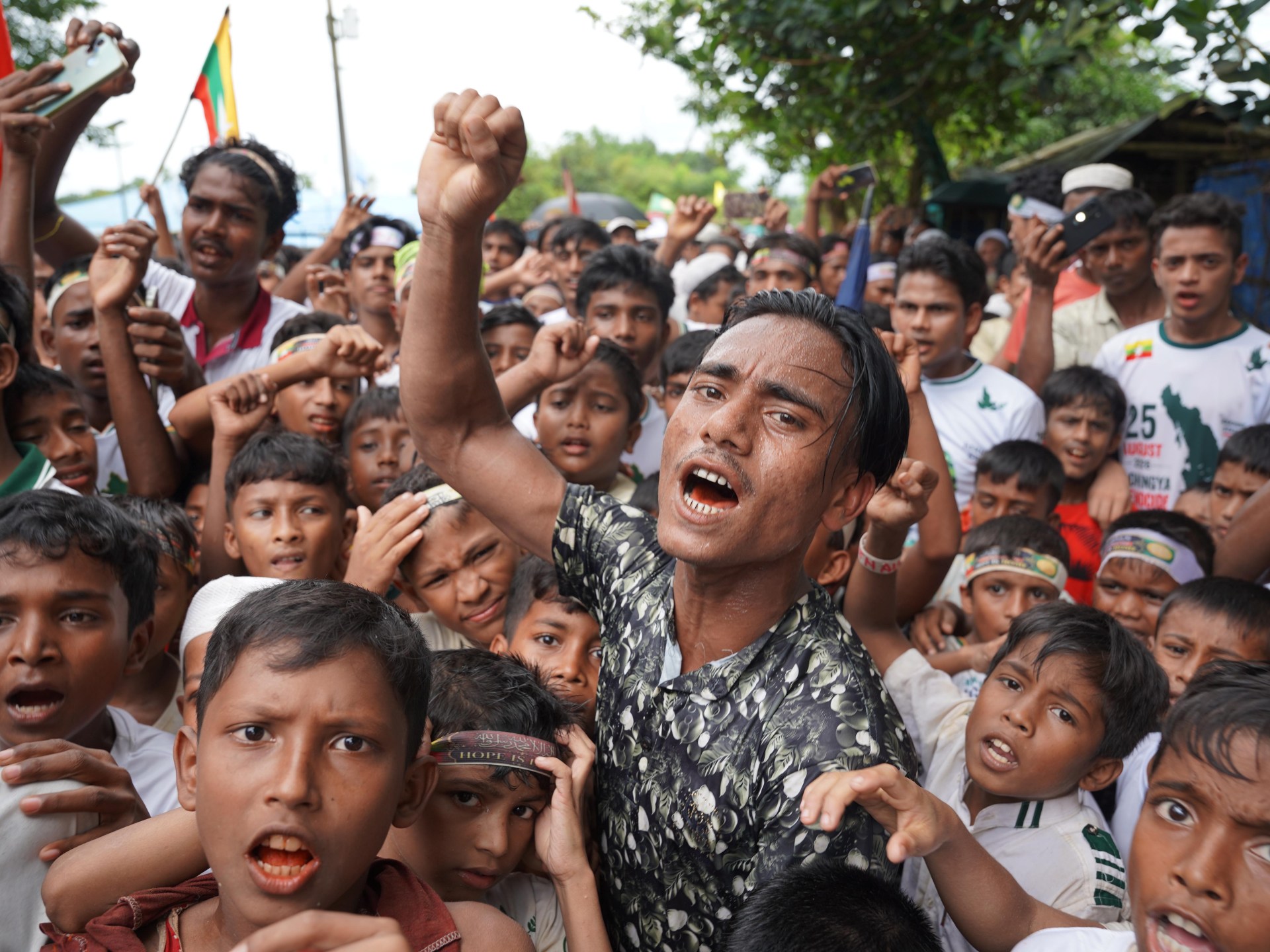
The United Nations has released a damning report, stating that the human rights situation in Myanmar has reached a new low due to escalating brutality against the Rohingya minority and the devastating impact of unregulated resource exploitation. Since the military coup in 2021, over 8,000 civilians, including 1,074 children, have been killed, with at least 1,241 deaths occurring within the past year. The violence has displaced 3.6 million people and caused acute hunger for 12.4 million, while 400,000 young children and mothers suffer from malnutrition. In western Rakhine State, both the military and the Arakan Army, an ethnic armed group, have been accused of widespread violations against the Rohingya minority, including arbitrary arrests, torture, forced labor, and destruction of villages and religious sites. The report also highlights a booming illicit economy in Myanmar, with illegal rare earth mining strengthening transnational criminal networks, particularly in northern Kachin and northeastern Shan State. The absence of rule of law has led to environmental contamination from mining run-off, which in turn affects maternal and reproductive health, according to the report. UN High Commissioner for Human Rights Volker Turk described the findings as deeply troubling and urged states, companies, and investors to reassess their involvement with Myanmar, asking if it is fair and just for the people of Myanmar.
Filed underConflict
More stories
Conflict
Tragedy in Oviedo: Police Officer Killed, Colleague Injured in Backpack Explosion
— Global Focus Wire Desk
Conflict
DR Congo Military Court Imposes Death Sentences on 66 Soldiers for Desertion and Disobedience
— Global Focus Wire Desk
Conflict
Two Missiles Intercepted Over Saudi Arabia Following Houthi Attack on Pipeline
— Global Focus Wire Desk
Conflict
Americans Shun Pro-War Candidates, Prioritizing Economic Stability Over Military Actions in Iran
— Global Focus Wire Desk
Conflict
U.S. Agencies Collaborate to Enhance Counter-drone Measures Across the Nation
— Global Focus Wire Desk
Conflict
Contentious Debate Erupts Over Rebuilding Hitler's Destroyed Alpine Retreat, The Eagle's Nest
— Global Focus Wire Desk