Morocco's Budget Minister and Football Chief, Fouzi Lekjaa, Joins Political Party Ahead of September Elections
As the political landscape in Morocco gears up for parliamentary elections on September 23rd, the focus has shifted from ideological debates to the surprising entry of a prominent public official…
By Global Focus Wire Desk
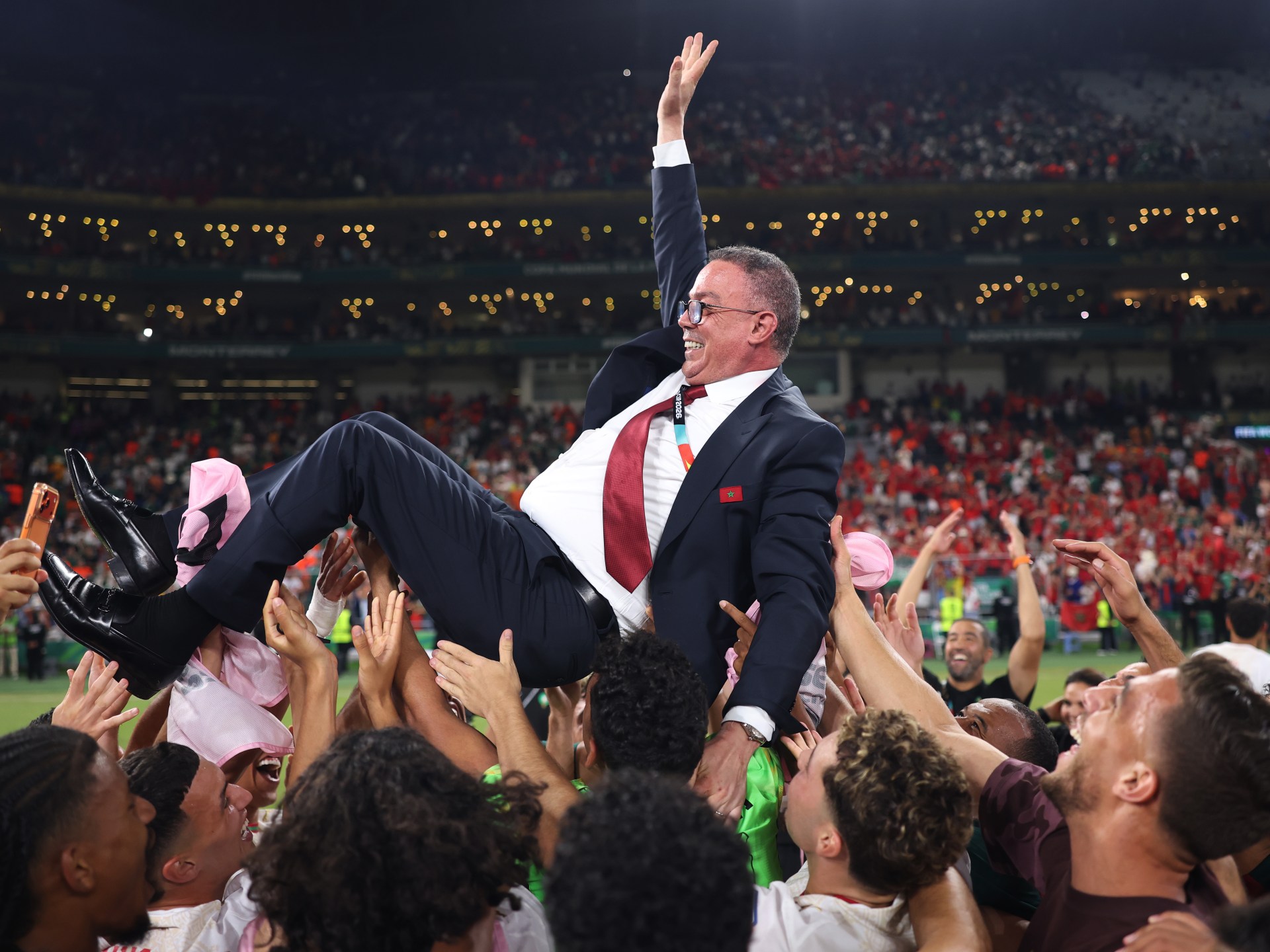
As the political landscape in Morocco gears up for parliamentary elections on September 23rd, the focus has shifted from ideological debates to the surprising entry of a prominent public official into partisan politics. Fouzi Lekjaa, known for his role in public finance and the transformation of Moroccan football as well as serving as the president of the Royal Moroccan Football Federation (FRMF), recently joined the Authenticity and Modernity Party (PAM). This move, made less than three months before the elections, has sparked intense political debate across the country. With billions anticipated to be invested in infrastructure, transport, and tourism for the 2030 FIFA World Cup co-hosted by Morocco, Spain, and Portugal, Lekjaa's role as a potential leader could significantly impact the nation's preparation for the event. The growing trend of successful public officials becoming political assets raises questions about the role of political parties in nurturing future leaders, as seen with increasing voter scepticism towards traditional parties, particularly among younger Moroccans. This shift is reflected in the debate surrounding Lekjaa's entry into PAM, a governing coalition party facing criticism over its governmental record. The 2011 Moroccan Constitution expanded parliamentary powers while maintaining the monarchy's central role in government formation, with the king appointing the head of government from the party with the largest number of seats. Although no official indication has been given regarding Lekjaa's future political role, his entry into politics adds intrigue to Morocco's political evolution.
Filed underPolitics
More stories
Politics
Trump Indicates De-escalation of U.S.-Iran Conflict, Averts Further Attacks for Now
— Global Focus Wire Desk
Politics
Cameroon Announces Date for Long-Awaited Legislative and Local Elections
— Global Focus Wire Desk
Politics
Supreme Court Clears Path for Border Wall Construction in Big Bend National Park
— Global Focus Wire Desk
Politics
Massie Pushes for Impeachment Vote on Defense Secretary Hegseth Over Iran Conflict
— Global Focus Wire Desk
Politics
Deadly Blast at Turkey's Leading Steel Factory in Aliaga Kills 16, Injures 13
— Global Focus Wire Desk
Politics
Trump Challenges Midterm Election Integrity, Contradicting Previous Statements
— Global Focus Wire Desk