Middle East Tensions Escalate as Iran and Oman Negotiate Strait of Hormuz Management, Yemen Rebels Attack Saudi Facility and Port
The Middle East is experiencing a surge in tensions as Israel has rejected a proposed deal for Gaza, while Iran and Oman are reportedly finalizing a temporary agreement to manage the Strait of Hormuz.
By Global Focus Wire Desk
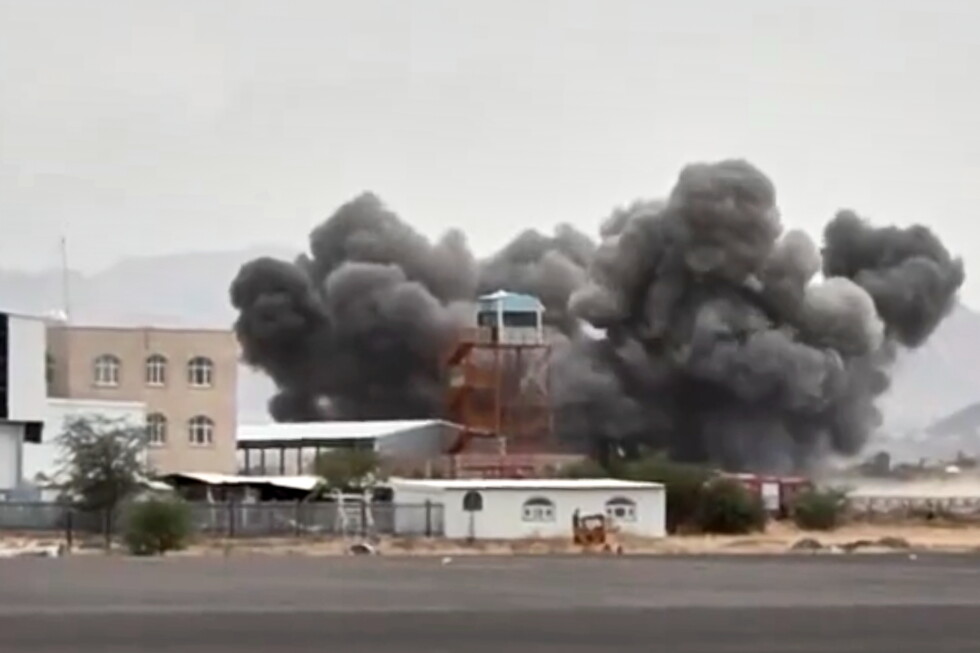
The Middle East is experiencing a surge in tensions as Israel has rejected a proposed deal for Gaza, while Iran and Oman are reportedly finalizing a temporary agreement to manage the Strait of Hormuz. This strategic waterway, critical for global oil and natural gas supplies, would allow ships to transit without paying fees or tolls during the interim period. However, vessels linked to "hostile countries" will allegedly be barred from the strait according to Iranian lawmakers. Meanwhile, Yemen's Houthi rebels, backed by Iran, have launched attacks on a government-held port in Yemen and an oil facility in neighboring Saudi Arabia, exacerbating concerns over regional security and potential civil unrest. These developments underscore the complex geopolitical landscape of the Middle East and the ongoing challenges to peace and stability in the region. For comprehensive coverage, please visit our website. In Israel, Prime Minister Benjamin Netanyahu has dismissed the Gaza deal announced by U.S. President Donald Trump last month, stating that Israeli military will not withdraw until Hamas is disarmed. While discussions between Israel and Washington continue regarding plans for Gaza, the fragile ceasefire in the region remains tenuous. The latest Houthi-led attack on Yemen's port of Mokha has resulted in casualties and damage to port infrastructure, deepening fears over the safety of strategic shipping routes and the possibility of a return to civil war. In Iran, negotiations with Oman regarding "new maritime routes" are reportedly in their final stages. However, the reopening of the Strait of Hormuz requires certain conditions to be met according to Iran's Supreme National Security Council. The U.S., Israel, and other countries deemed "hostile" may be affected by these restrictions on vessel transits. This proposed agreement comes as a potential solution to manage tensions in the region, but its implementation and implications remain uncertain.
Filed underWorld
More stories
World
Ancestral Naga Skulls Returned to Nagaland by Oxford Museum for a Joint Memorial and Burial
— Global Focus Wire Desk
World
Stranded Round-the-World Cruise Ship Seized in Singapore after Operator's Financial Collapse
— Global Focus Wire Desk
World
US, Russia, and Ukraine Hold Talks in Abu Dhabi to End War in Ukraine
— Global Focus Wire Desk
World
European Diplomats Advocate for Involvement in Russia-Ukraine Negotiations at G7 Meeting
— Global Focus Wire Desk
World
Global Energy Tussle: US-China Rivalry and Its Impact on Household Bills Worldwide
— Global Focus Wire Desk
World
Honduran Court Delays Verdict in Sex-Trafficking Case Linked to Angie Pena's Disappearance
— Global Focus Wire Desk