Libyan Negotiators Reach Preliminary Election Accord Amidst Institutional Hurdles and Skepticism
A newly formed '4+4 committee' consisting of representatives from the House of Representatives in eastern Libya and the High Council of State linked to the Government of National Unity in Tripoli…
By Global Focus Wire Desk
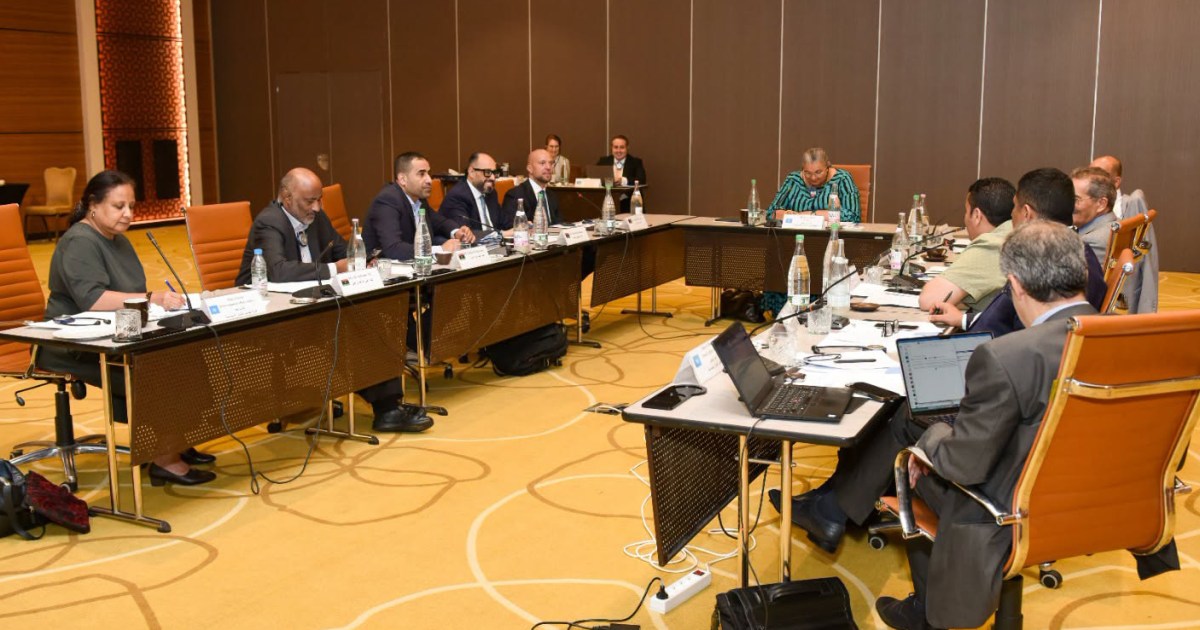
A newly formed '4+4 committee' consisting of representatives from the House of Representatives in eastern Libya and the High Council of State linked to the Government of National Unity in Tripoli, has signed a preliminary election agreement in Tunis on August 20. The accord covers electoral laws and the restructuring of the national elections commission, but its execution faces challenges from divided state institutions and legal voids. Key concerns include the lack of consensus within political bodies, questions over interim governance, and uncertainty surrounding the transitional authority's control of state resources in a sensitive security environment. Critics such as Nuh al-Malati, a member of the High Council of State, have expressed reservations about the negotiation's secrecy and lack of official council endorsement. Despite these challenges, United Nations spokesman Mohammad al-Asadi views the pact as an "important step" towards ending years of political divisions within Libya. The final signing is expected to follow with the document becoming publicly available thereafter.
Filed underPolitics
More stories
Politics
Trump Indicates De-escalation of U.S.-Iran Conflict, Averts Further Attacks for Now
— Global Focus Wire Desk
Politics
Cameroon Announces Date for Long-Awaited Legislative and Local Elections
— Global Focus Wire Desk
Politics
Supreme Court Clears Path for Border Wall Construction in Big Bend National Park
— Global Focus Wire Desk
Politics
Massie Pushes for Impeachment Vote on Defense Secretary Hegseth Over Iran Conflict
— Global Focus Wire Desk
Politics
Deadly Blast at Turkey's Leading Steel Factory in Aliaga Kills 16, Injures 13
— Global Focus Wire Desk
Politics
Trump Challenges Midterm Election Integrity, Contradicting Previous Statements
— Global Focus Wire Desk