Landmark Defense Pact Among Saudi Arabia, Turkey, and Pakistan Alters Middle East Strategy Landscape
In a significant geopolitical development, Saudi Arabia, Turkey, and Pakistan have signed a mutual defense agreement in Mecca.
By Global Focus Wire Desk
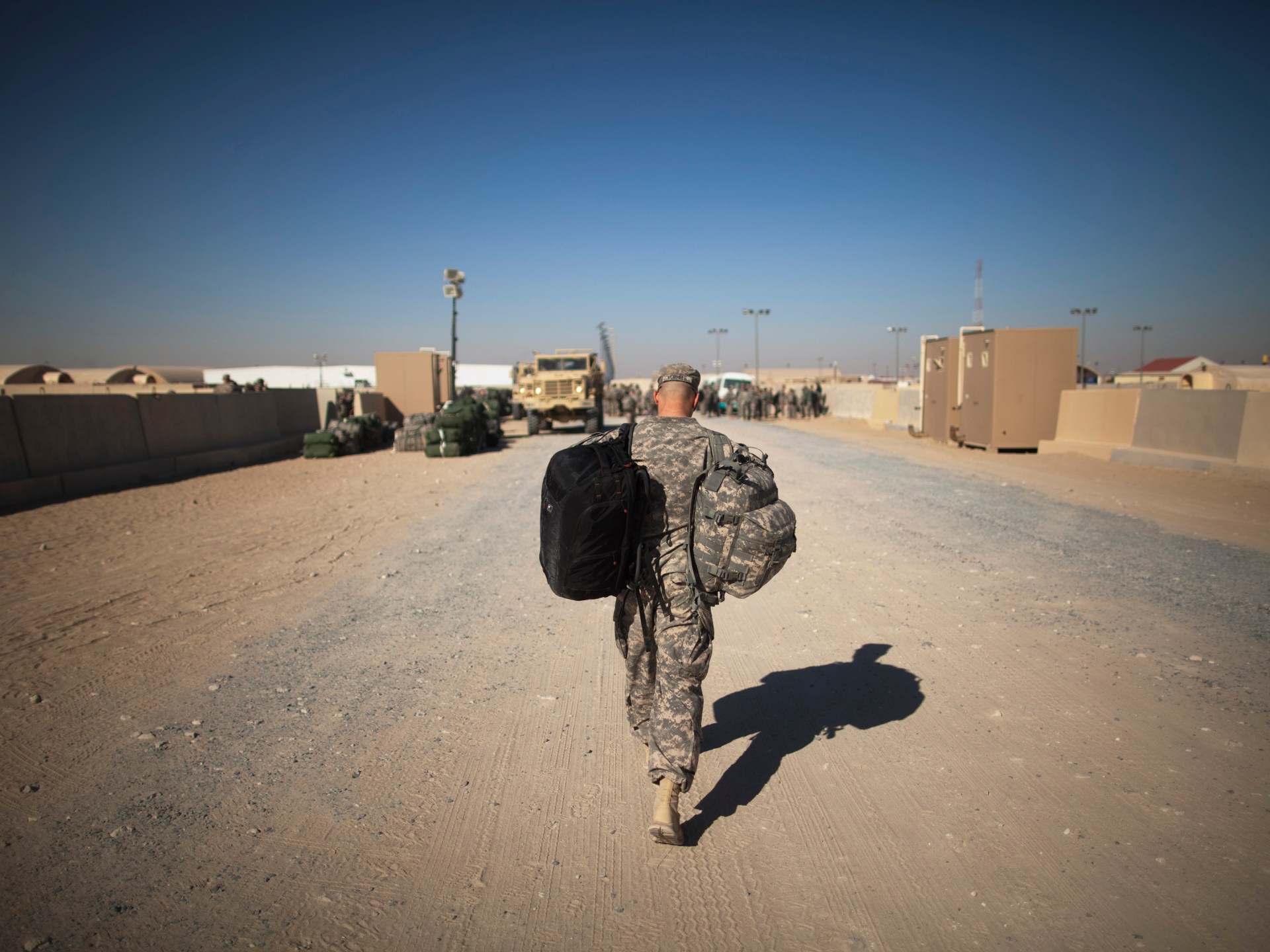
In a significant geopolitical development, Saudi Arabia, Turkey, and Pakistan have signed a mutual defense agreement in Mecca. The deal, hailed by some as one of the most significant power shifts in the region in decades, has raised questions about its implications for US strategy in the Middle East. While the US administration has yet to offer an official response, analysts suggest that the pact may reflect growing wariness towards an unpredictable American government, potentially foreshadowing a wider security realignment. The agreement, reminiscent of NATO's Article 5, could pose a challenge to Arab-Israeli normalization under the Abraham Accords and may signal a weakening of Washington's strategic sway. Despite assurances that the pact does not represent a regional reorientation, it is understood that Saudi Arabia brings its vast financial resources, Turkey its large standing army and access to advanced military technology, and Pakistan its nuclear arsenal to the alliance. The full details of the agreement are yet to be released, but it builds on a previous mutual defense agreement between Saudi Arabia and Pakistan. The deal comes amidst escalating tensions in the region, with Israel leading multiple war efforts against Iran, Lebanon, and Gaza, and Iran targeting Saudi Arabia with retaliatory attacks. Despite this, officials from the three nations have emphasized that the agreement is meant to supplement, not supplant, existing alliances.
Filed underWorld
More stories
World
Ancestral Naga Skulls Returned to Nagaland by Oxford Museum for a Joint Memorial and Burial
— Global Focus Wire Desk
World
Stranded Round-the-World Cruise Ship Seized in Singapore after Operator's Financial Collapse
— Global Focus Wire Desk
World
US, Russia, and Ukraine Hold Talks in Abu Dhabi to End War in Ukraine
— Global Focus Wire Desk
World
European Diplomats Advocate for Involvement in Russia-Ukraine Negotiations at G7 Meeting
— Global Focus Wire Desk
World
Global Energy Tussle: US-China Rivalry and Its Impact on Household Bills Worldwide
— Global Focus Wire Desk
World
Honduran Court Delays Verdict in Sex-Trafficking Case Linked to Angie Pena's Disappearance
— Global Focus Wire Desk