Kurdistan Regional Government Seeks to Avoid Involvement in Middle East Conflicts: Masrour Barzani
In an interview with Al Jazeera, Masrour Barzani, the Prime Minister of Iraq's semi-autonomous Kurdish region, the Kurdistan Regional Government (KRG), has stated that the region aims to steer clear…
By Global Focus Wire Desk
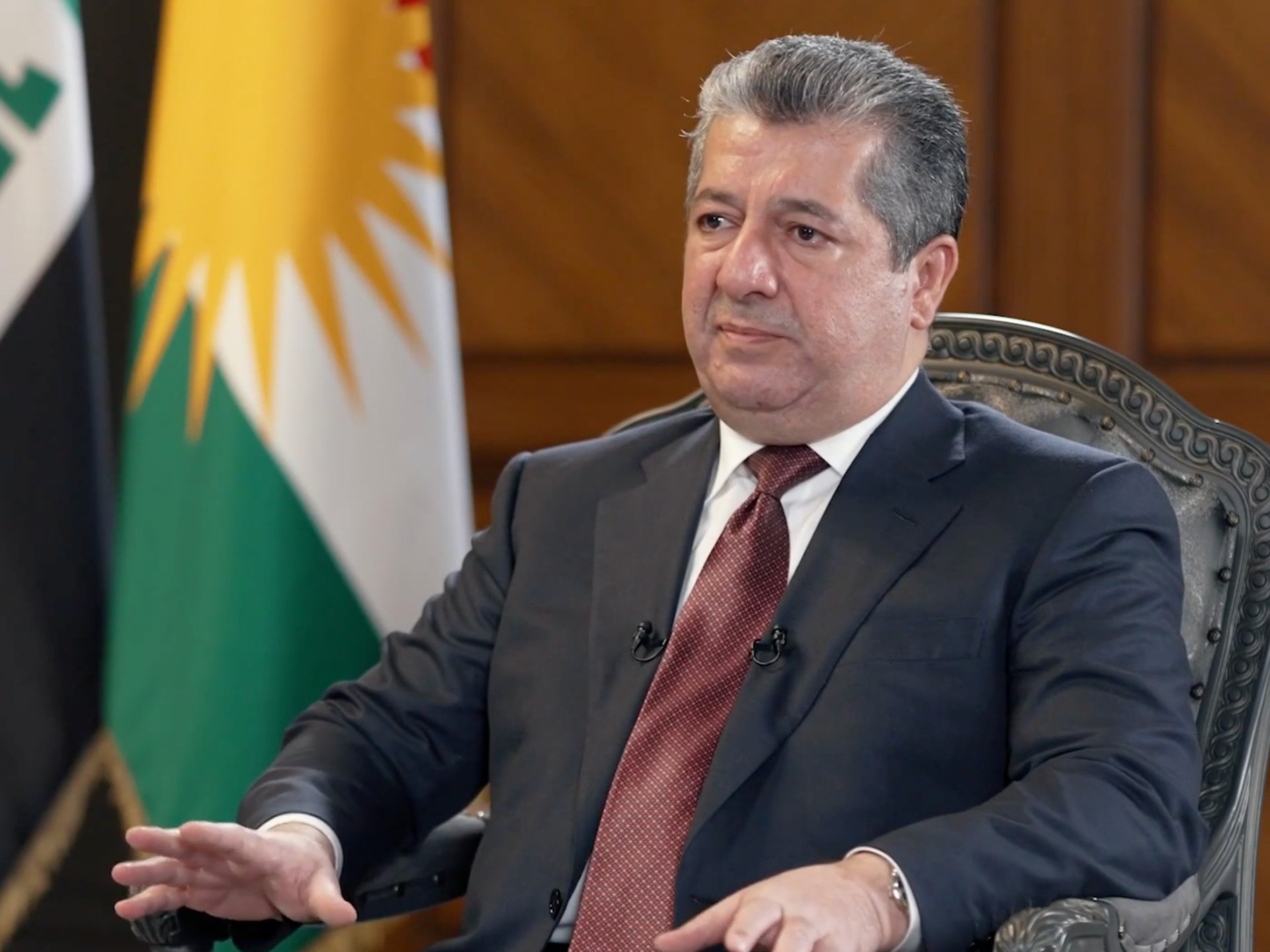
In an interview with Al Jazeera, Masrour Barzani, the Prime Minister of Iraq's semi-autonomous Kurdish region, the Kurdistan Regional Government (KRG), has stated that the region aims to steer clear of the ongoing regional conflicts triggered by the US and Israel's confrontation with Iran. This stance comes despite over 1,000 missile and drone attacks on the region since February 28, causing significant damage to its infrastructure. Barzani emphasized that no external pressure has been exerted to involve the KRG in the war, and the region wishes to remain neutral from any regional conflict. The prime minister also highlighted Baghdad's efforts to control weapons within Iraq and expressed support for these initiatives. Notably, US troops have faced repeated attacks despite being stationed in Erbil to combat terrorism. Barzani reiterated that the KRG supports the Iraqi government in limiting arms to official forces only. In a recent development, Iraq's Prime Minister Ali al-Zaidi has promised to establish a state monopoly on arms in post-2003 Iraq, where paramilitary groups have wielded significant power. The Iraqi government has set a deadline of September 30 for all armed factions to disarm and surrender their weapons to state control. Furthermore, Barzani clarified that the regional authorities maintain no relations with Israel, while ties with Syria and Turkiye are strengthening through mutual cooperation. This week, KRG President Nechirvan Barzani made a historic visit to Syria, marking the first time an Iraqi Kurdish leader has visited since Bashar al-Assad's fall in December 2024. The Iranian Kurdish opposition parties have remained vigilant amidst the US-Israeli conflict with Iran, as their bases in the semi-autonomous Kurdish region and within Iran itself have become frontlines of the conflict. There are discussions about Iranian Kurdish fighters potentially entering the conflict to overthrow the Iranian government, with suggestions from both US President Donald Trump and Israel to arm these fighters to shift the balance of power inside Iran, where Kurds constitute approximately 10% of the population.
Filed underConflict
More stories
Conflict
Tragedy in Oviedo: Police Officer Killed, Colleague Injured in Backpack Explosion
— Global Focus Wire Desk
Conflict
DR Congo Military Court Imposes Death Sentences on 66 Soldiers for Desertion and Disobedience
— Global Focus Wire Desk
Conflict
Two Missiles Intercepted Over Saudi Arabia Following Houthi Attack on Pipeline
— Global Focus Wire Desk
Conflict
Americans Shun Pro-War Candidates, Prioritizing Economic Stability Over Military Actions in Iran
— Global Focus Wire Desk
Conflict
U.S. Agencies Collaborate to Enhance Counter-drone Measures Across the Nation
— Global Focus Wire Desk
Conflict
Contentious Debate Erupts Over Rebuilding Hitler's Destroyed Alpine Retreat, The Eagle's Nest
— Global Focus Wire Desk