Iran Issues Warning to Oil Tankers Over Strait of Hormuz Navigation Routes
In a significant escalation, the joint military command of Iran warned oil tankers transiting through the Strait of Hormuz on Thursday to adhere to approved navigation routes or face a "forceful…
By Global Focus Wire Desk
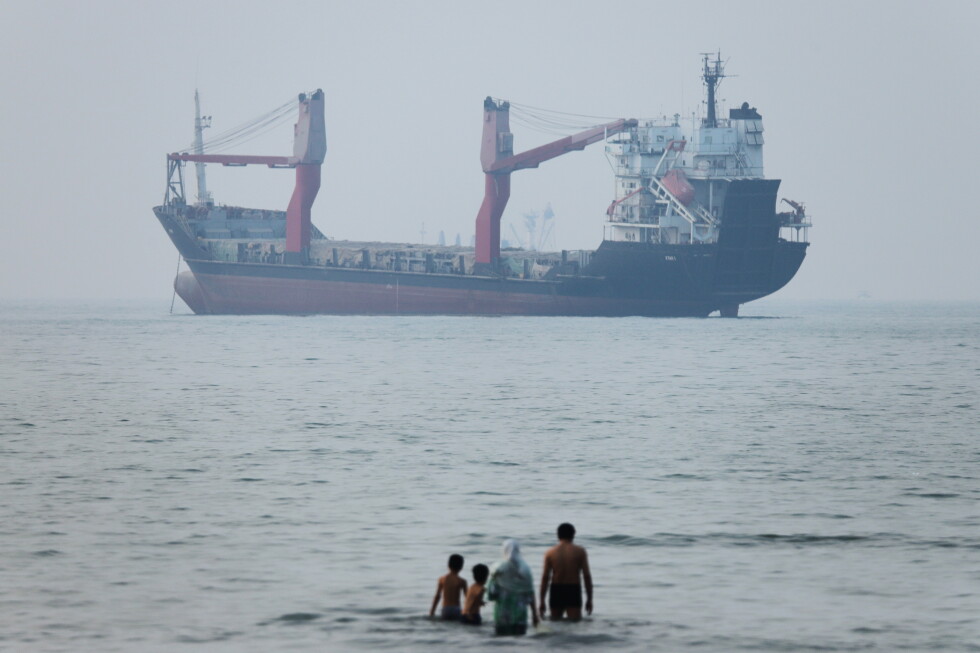
In a significant escalation, the joint military command of Iran warned oil tankers transiting through the Strait of Hormuz on Thursday to adhere to approved navigation routes or face a "forceful response." The statement, broadcast by Iranian state television, was issued as diplomatic efforts continue to find a permanent resolution to the ongoing conflict. Tensions over the strategically important waterway have risen as Iran prepares for the funeral of late Supreme Leader Ayatollah Ali Khamenei, who died during the war's initial moments in February. The warning comes amid recent diplomatic meetings, including those held Wednesday in Qatar between U.S. and Iranian diplomats. The U.S. military's Central Command had previously emphasized its commitment to maintaining free commerce through the strait, a stance that may have provoked Iran's statement. The U.S. and Gulf Arab states oppose Iran's proposed fees for passage through the strait, while Iran maintains it must control vessel routes and collect passage fees. The recent attacks across the Middle East following an attempt to launch a new route near Oman's shore underscore the regional tensions. Despite these incidents, ship traffic in the strait has been gradually recovering, with at least 258 ships transiting last week, according to marine data and analysis company Lloyd's List Intelligence. The situation remains unstable, as ship operators must choose between complying with Iran's demands or navigating the risky route off Oman monitored by U.S. forces. Earlier this week, a foreign vessel reportedly got stuck in the strait after ignoring instructions from Iran's Revolutionary Guard; however, the details suggest the ship is tied to Iran and appears to have been stranded for months. Despite the ongoing tensions, Wednesday's talks showed "positive progress," according to Pakistani Foreign Ministry spokesperson Tahir Andrabi, who expressed hope for prompt scheduling of the next round of negotiations following Khamenei's funeral.
Filed underWorld
More stories
World
Ancestral Naga Skulls Returned to Nagaland by Oxford Museum for a Joint Memorial and Burial
— Global Focus Wire Desk
World
Stranded Round-the-World Cruise Ship Seized in Singapore after Operator's Financial Collapse
— Global Focus Wire Desk
World
US, Russia, and Ukraine Hold Talks in Abu Dhabi to End War in Ukraine
— Global Focus Wire Desk
World
European Diplomats Advocate for Involvement in Russia-Ukraine Negotiations at G7 Meeting
— Global Focus Wire Desk
World
Global Energy Tussle: US-China Rivalry and Its Impact on Household Bills Worldwide
— Global Focus Wire Desk
World
Honduran Court Delays Verdict in Sex-Trafficking Case Linked to Angie Pena's Disappearance
— Global Focus Wire Desk