Iran Commences Week-Long Funeral Ceremonies for Deceased Supreme Leader Khamenei
Following a joint US-Israeli strike in February that marked the beginning of war, Iran's late Supreme Leader Ayatollah Ali Khamenei's body lies in state at Tehran's Grand Mosalla religious complex.
By Global Focus Wire Desk
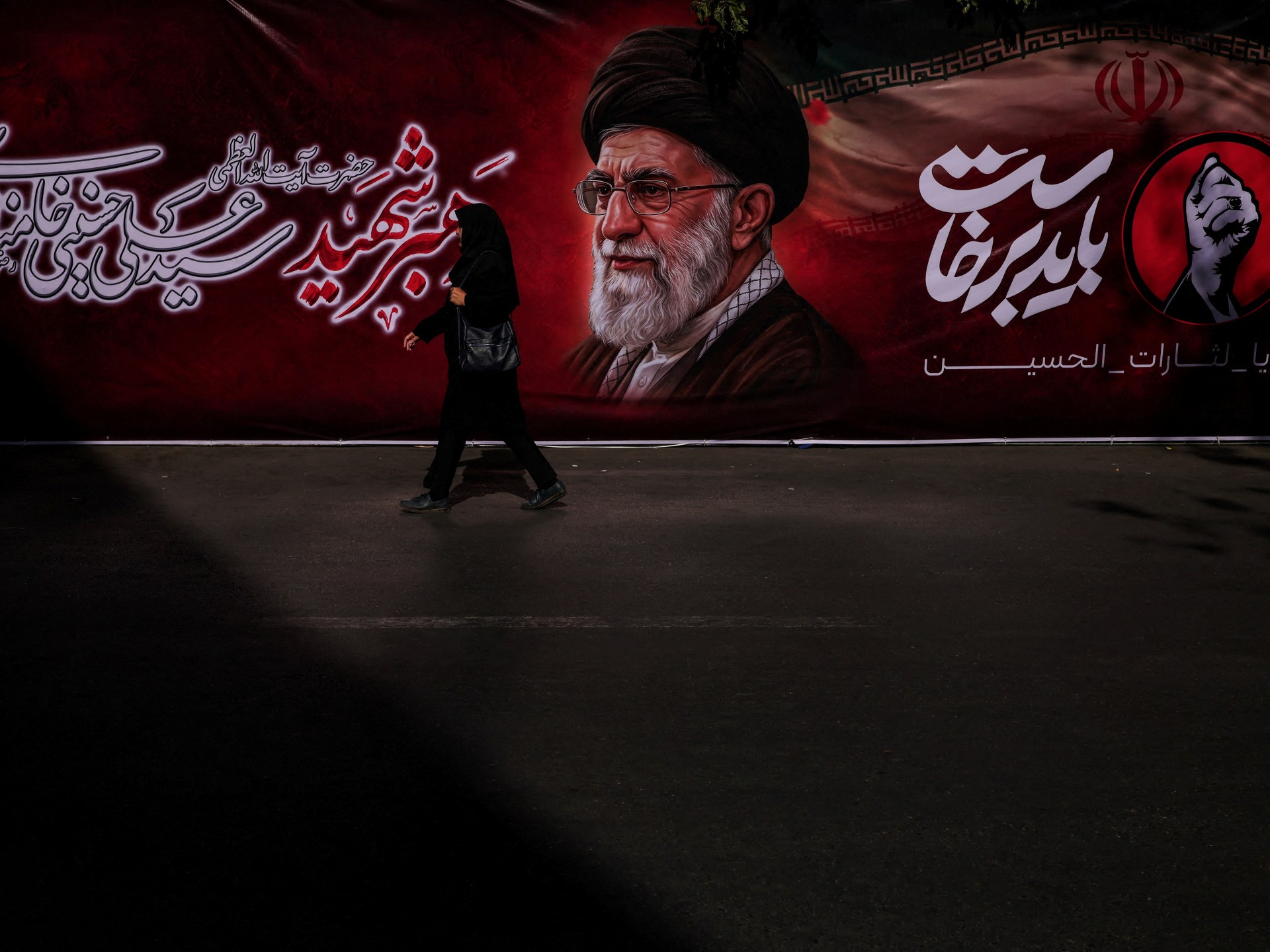
Following a joint US-Israeli strike in February that marked the beginning of war, Iran's late Supreme Leader Ayatollah Ali Khamenei's body lies in state at Tehran's Grand Mosalla religious complex. Top officials and foreign dignitaries, including Iraq's President, Tajikistan's President, Turkmenistan's President, Georgia's President, and Pakistan's Prime Minister Shehbaz Sharif, have paid their respects, initiating a week of funeral ceremonies. The government expects millions to participate in public mourning and grand processions before Khamenei's burial next week. The deceased leader's family members, including his three-year-old granddaughter, eldest daughter, son-in-law, and daughter-in-law, were also killed in the strike. Notably absent from the funeral are several European countries due to their indirect support for the Israeli and American military campaign on Iran. The ceremonies will culminate in Mashhad, hosting the tomb of the eighth imam of Shia Islam, where an estimated two million people are expected to attend, reminiscent of the 1989 funeral of Khamenei's predecessor, Supreme Leader Ayatollah Ruhollah Khomeini. The Iranian authorities view this event as a show of unity against the US and Israel, asserting that their actions following the assassination of Khamenei have strengthened the government rather than causing regime change.
Filed underWorld
More stories
World
Ancestral Naga Skulls Returned to Nagaland by Oxford Museum for a Joint Memorial and Burial
— Global Focus Wire Desk
World
Stranded Round-the-World Cruise Ship Seized in Singapore after Operator's Financial Collapse
— Global Focus Wire Desk
World
US, Russia, and Ukraine Hold Talks in Abu Dhabi to End War in Ukraine
— Global Focus Wire Desk
World
European Diplomats Advocate for Involvement in Russia-Ukraine Negotiations at G7 Meeting
— Global Focus Wire Desk
World
Global Energy Tussle: US-China Rivalry and Its Impact on Household Bills Worldwide
— Global Focus Wire Desk
World
Honduran Court Delays Verdict in Sex-Trafficking Case Linked to Angie Pena's Disappearance
— Global Focus Wire Desk