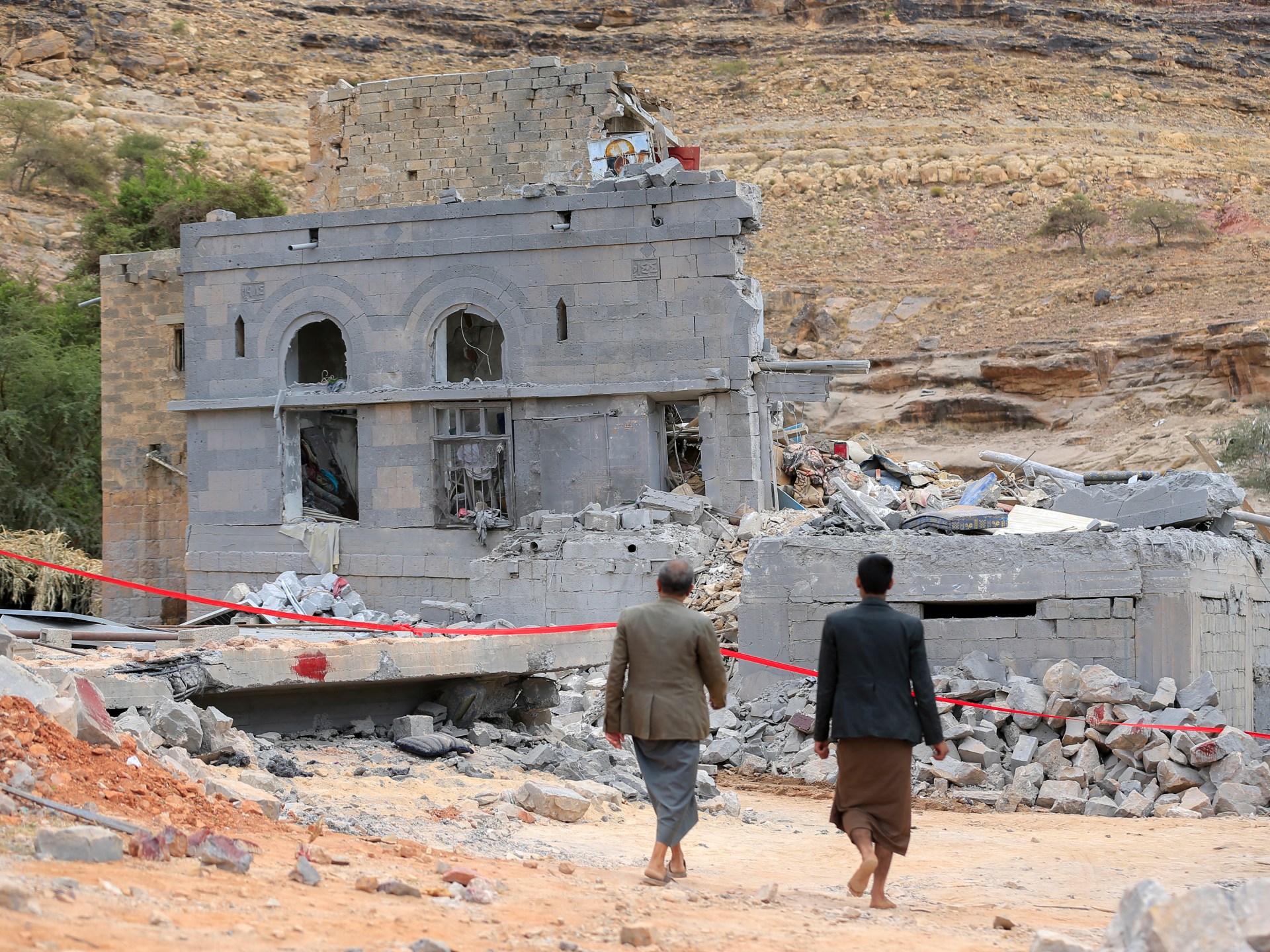
The World Health Organization (WHO) has reported a significant displacement of over 320,000 people in Yemen since August 1 due to escalating violence. The Houthi rebels have denied Saudi Arabia's allegations that they targeted Mecca, Islam's holiest city, instead claiming responsibility for strikes on a Red Sea pumping station and Riyadh's King Khalid International Airport. Saudi Arabia has countered these claims, asserting the interception of several missiles and drones aimed at their territory. The Saudi-led coalition forces reported debris falling in Mecca province from the interception of two ballistic missiles, which the civil defence deemed a violation of international humanitarian law.
Fighting has intensified within Yemen between government forces backed by Saudi Arabia and Houthi fighters, resulting in over 138 Houthi casualties according to Yemen's army spokesperson, Majed Abdullah al-Nuzaili. The Saudi-backed forces have launched numerous attacks on various governorates but have struggled to halt Houthi assaults on Aden, the city where the internationally recognized government resides. The repeated shelling of civilians in Aden, including the densely populated al-Buraiqa district, has been condemned by Yemen's Minister of Information, Salem al-Awalqi.
The Houthi military spokesperson, Yahya Saree, claimed success in targeting a Saudi coalition military command and control center in Aden's al-Buraiqa district with several missiles. The WHO has reported a sharp rise in casualties to 11,755, including 2,098 fatalities and 9,657 injuries as of November 8. More than 320,000 people have been displaced due to the fighting, with over 16,000 forced to flee in the past week. The WHO has expressed concern over strikes on health facilities and ambulances, and critical fuel shortages disrupting emergency medical services in Taiz. Despite the delivery of medical supplies and a vaccination campaign for nearly one million children, major gaps remain in trauma care, rehabilitation, and mental health services.