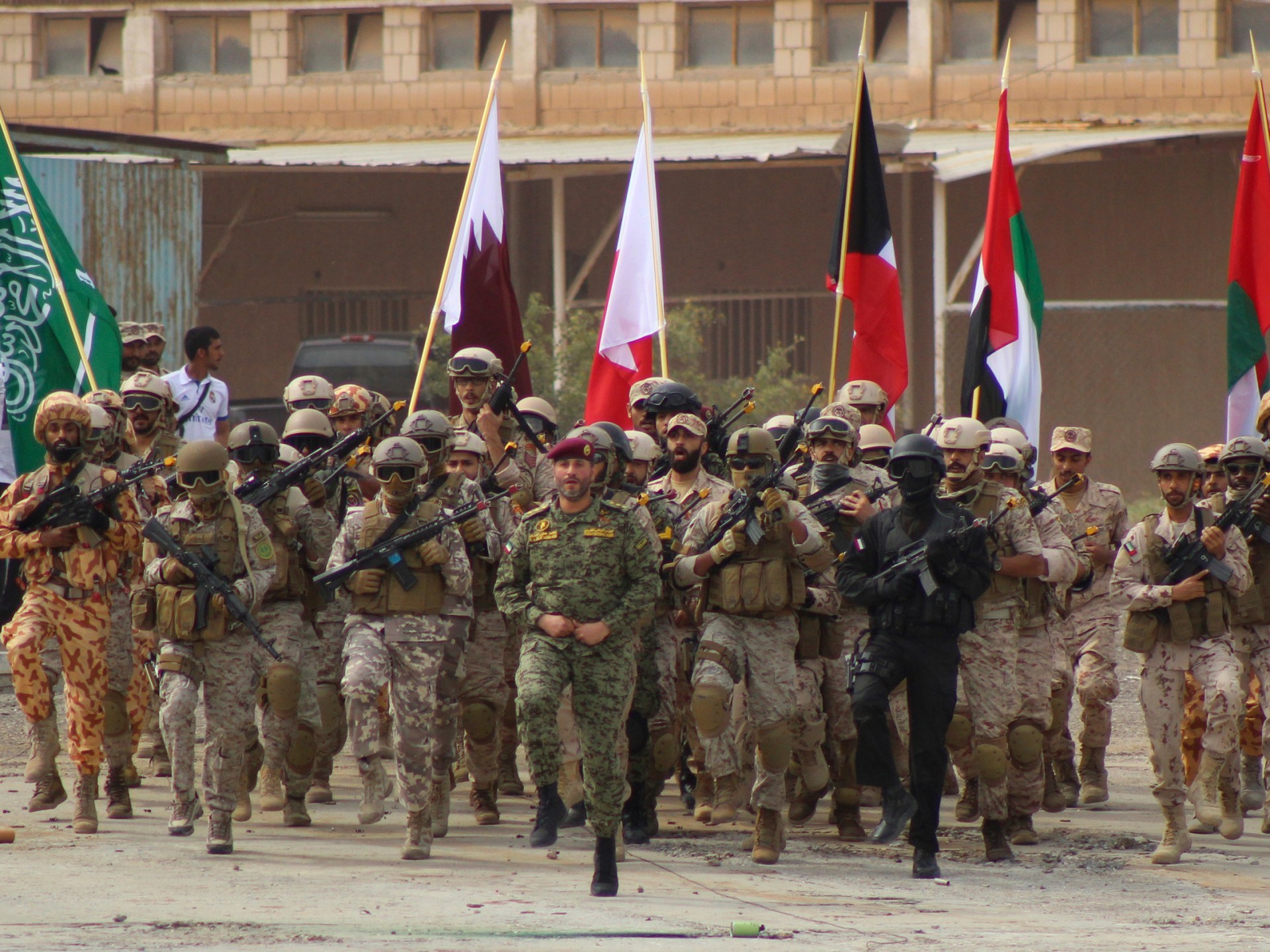
In a move aimed at bolstering regional defense and addressing present and future challenges, the Gulf Cooperation Council (GCC) has agreed to establish an advanced military command headquarters in Kuwait. The decision was made during the 23rd meeting of the GCC's Joint Defense Council attended by defense ministers from Bahrain, Kuwait, Oman, Qatar, Saudi Arabia, and the United Arab Emirates. The new command center will be a forward headquarters positioned closer to potential threats and is expected to house "appropriate" military forces. The GCC's Unified Military Command, established in 2013 to coordinate joint operations and strengthen collective defense, will oversee this new base. The significance of the move lies in having a more unified structure at the northern end of the Gulf, experts say, as it signals a permanent presence that aims to reassure GCC countries and send a message to Iran and Iraq.
The establishment of the command center follows a series of missile and drone attacks on Gulf states by Iran-aligned groups and Houthi rebels from Yemen. These incidents have disrupted trade, exposed vulnerabilities in energy infrastructure, and threatened oil and gas exports upon which much of the region depends. The move is part of a longer-term response to these security challenges, experts claim, as countries in the region aim to have their own deterrents against Iran and Yemen's Houthi rebels.
The new command center adds to a growing network of overlapping security arrangements across the Gulf and beyond. In August, Saudi Arabia, Pakistan, and Turkiye signed the Mecca Joint Defense Agreement, while Pakistan and Saudi Arabia also have a bilateral mutual defense treaty. The GCC command provides a separate framework through which the six Gulf states can coordinate their own forces, complementing existing and new alliances. However, analysts stress that closer Gulf military cooperation does not necessarily mean a retreat from existing partnerships with Washington, which has historically served as the main security provider to the region.
The GCC's Secretary-General Jasem Mohamed Albudaiwi explicitly condemned Houthi attacks on Saudi Arabia in a statement announcing the new command center. The headquarters is expected to enhance regional defense coordination and provide a more unified structure to confront present and future challenges, potentially signaling a shift towards increased self-reliance in security matters.