Gulf Countries Shift Towards Security Alliance Diversification Amid US-Iran Conflict
Following the escalation of hostilities between the United States and Iran, analysts predict that Gulf Cooperation Council (GCC) nations will expedite their efforts to diversify security partnerships.
By Global Focus Wire Desk
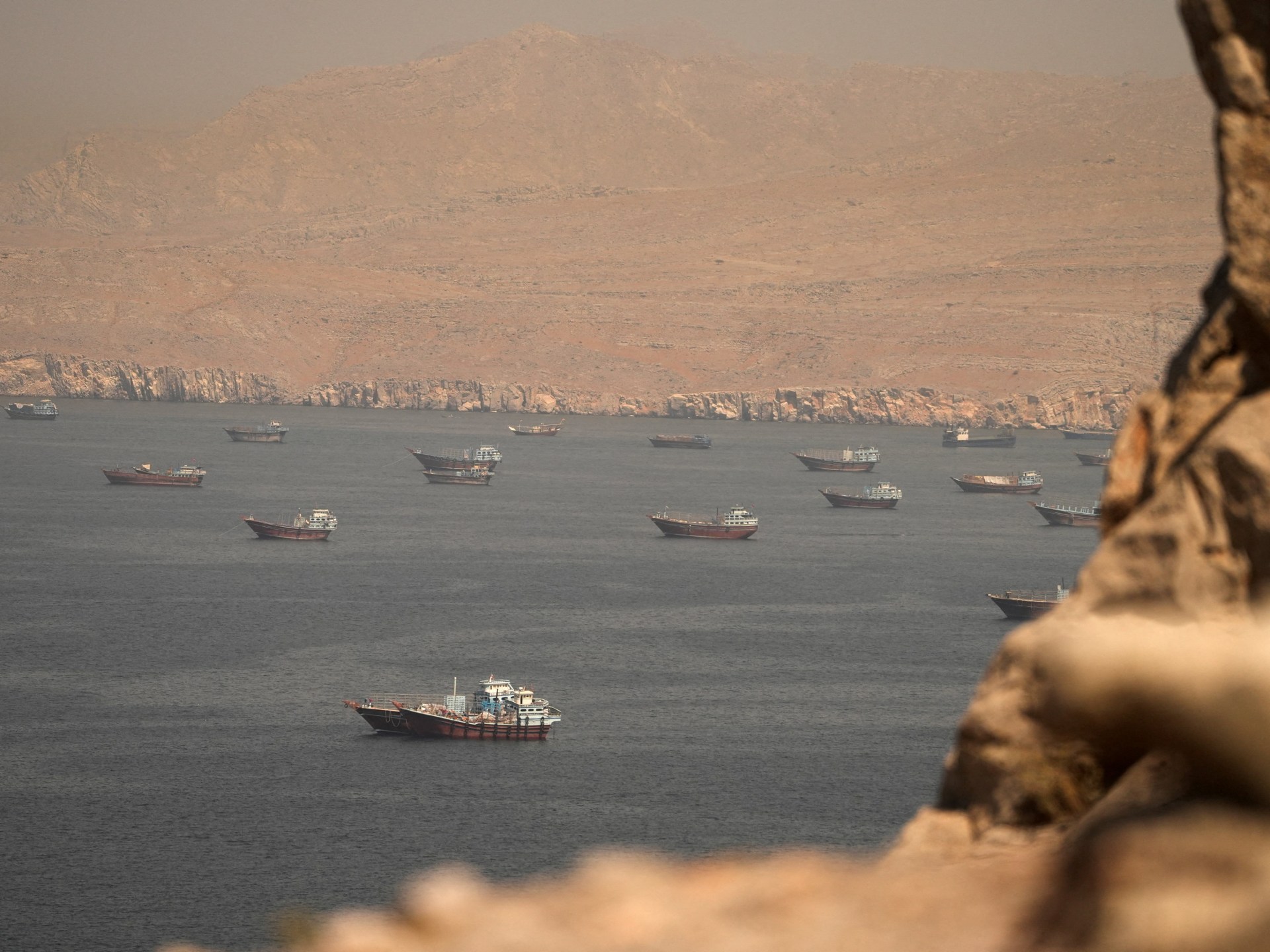
Following the escalation of hostilities between the United States and Iran, analysts predict that Gulf Cooperation Council (GCC) nations will expedite their efforts to diversify security partnerships. This move comes as these countries grapple with the potential long-term ramifications of the conflict. Prior to the war, Saudi Arabia signed a defense pact with Pakistan, an alliance that may expand to other regional countries. For years, Gulf states have procured defense systems from some European nations while maintaining friendly relations with Russia and China. Experts suggest that this approach will be reinforced by the conflict. Anna Jacobs Khalaf, a non-resident fellow at the Arab Gulf States Institute, emphasizes that the pursuit of new security partners is not aimed at replacing the US but rather about regional balance of power and countering both Iran and Israel. The US's and Israel's actions against Iran, which resulted in Iranian forces closing the Strait of Hormuz, has created an unprecedented security crisis for GCC members, Jacobs Khalaf explained. Many Gulf countries view Israel's expansionist policies and military campaigns as a threat, analysts say. The decision by the US and Israel to attack Iran and Tehran's retaliation against Arabian Peninsula nations has led some regional capitals to reconsider their reliance on the US as a security guarantor. Analyst Annelle Sheline also suggests that GCC countries will likely seek to diversify their security alliances, deepening ties with China, Turkey, and Europe. Despite the anger over Iranian attacks, Gulf countries are maintaining lines of communication with Tehran at various levels, with some nations working towards repairing relations and strengthening economic ties with their neighbor across the Gulf. Some experts propose that investments could serve as a more effective deterrent than weapons, as intertwined Gulf and Iranian economic interests may dissuade Tehran from striking the region. US Vice President JD Vance recently indicated a potential strategy of engaging in economic incentives with Iran to deter future attacks. The US itself seems to be at a crossroads in its relationship with the Middle East.
Filed underWorld
More stories
World
Ancestral Naga Skulls Returned to Nagaland by Oxford Museum for a Joint Memorial and Burial
— Global Focus Wire Desk
World
Stranded Round-the-World Cruise Ship Seized in Singapore after Operator's Financial Collapse
— Global Focus Wire Desk
World
US, Russia, and Ukraine Hold Talks in Abu Dhabi to End War in Ukraine
— Global Focus Wire Desk
World
European Diplomats Advocate for Involvement in Russia-Ukraine Negotiations at G7 Meeting
— Global Focus Wire Desk
World
Global Energy Tussle: US-China Rivalry and Its Impact on Household Bills Worldwide
— Global Focus Wire Desk
World
Honduran Court Delays Verdict in Sex-Trafficking Case Linked to Angie Pena's Disappearance
— Global Focus Wire Desk