Global Apparel Brands Embrace Repair Services to Engage Environmentally Conscious Gen Z Consumers
In an attempt to appeal to the growing cohort of environmentally and financially conscious consumers, primarily Generation Z, several clothing brands are incorporating in-store repair services and…
By Global Focus Wire Desk
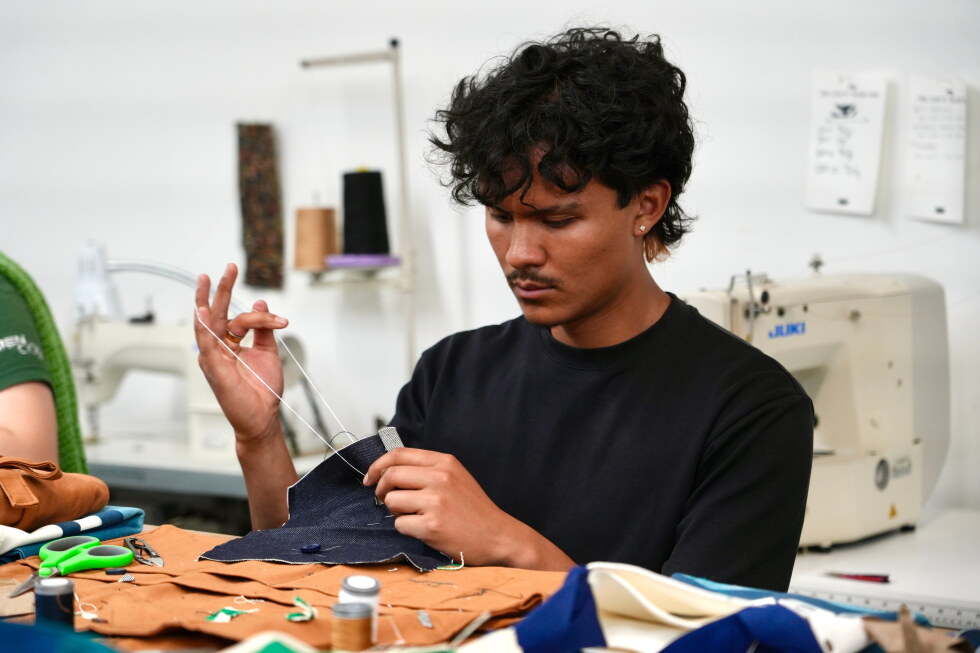
In an attempt to appeal to the growing cohort of environmentally and financially conscious consumers, primarily Generation Z, several clothing brands are incorporating in-store repair services and sewing workshops into their retail offerings. Levi Strauss & Co., Uniqlo, and Primark are among the companies implementing these programs, as they recognize the importance of teaching customers how to maintain their clothes and extend their lifespan. For instance, Levi's has introduced a handstitching course for high school students, aiming to equip them with essential sewing skills that complement their interest in thrift store shopping and sustainability. The initiative, dubbed Wear Longer, is part of a broader strategy to empower consumers with the necessary skills to maintain their Levi's products and prolong their useful life. As the fashion industry faces increasing pressure to reduce its environmental footprint, repairing and reselling clothes have emerged as potential solutions to combat textile waste. However, these practices alone may not be sufficient to offset continued growth in clothing production and consumption. This shift towards mending and education reflects a broader trend among retailers, particularly fast-fashion chains like Zara and H&M, to respond proactively to consumer demands for sustainability and durability. These initiatives serve not only to reduce waste but also to foster a sense of brand loyalty among younger consumers who prioritize ethical and eco-friendly practices in their purchasing decisions.
Filed underWorld
More stories
World
Ancestral Naga Skulls Returned to Nagaland by Oxford Museum for a Joint Memorial and Burial
— Global Focus Wire Desk
World
Stranded Round-the-World Cruise Ship Seized in Singapore after Operator's Financial Collapse
— Global Focus Wire Desk
World
US, Russia, and Ukraine Hold Talks in Abu Dhabi to End War in Ukraine
— Global Focus Wire Desk
World
European Diplomats Advocate for Involvement in Russia-Ukraine Negotiations at G7 Meeting
— Global Focus Wire Desk
World
Global Energy Tussle: US-China Rivalry and Its Impact on Household Bills Worldwide
— Global Focus Wire Desk
World
Honduran Court Delays Verdict in Sex-Trafficking Case Linked to Angie Pena's Disappearance
— Global Focus Wire Desk