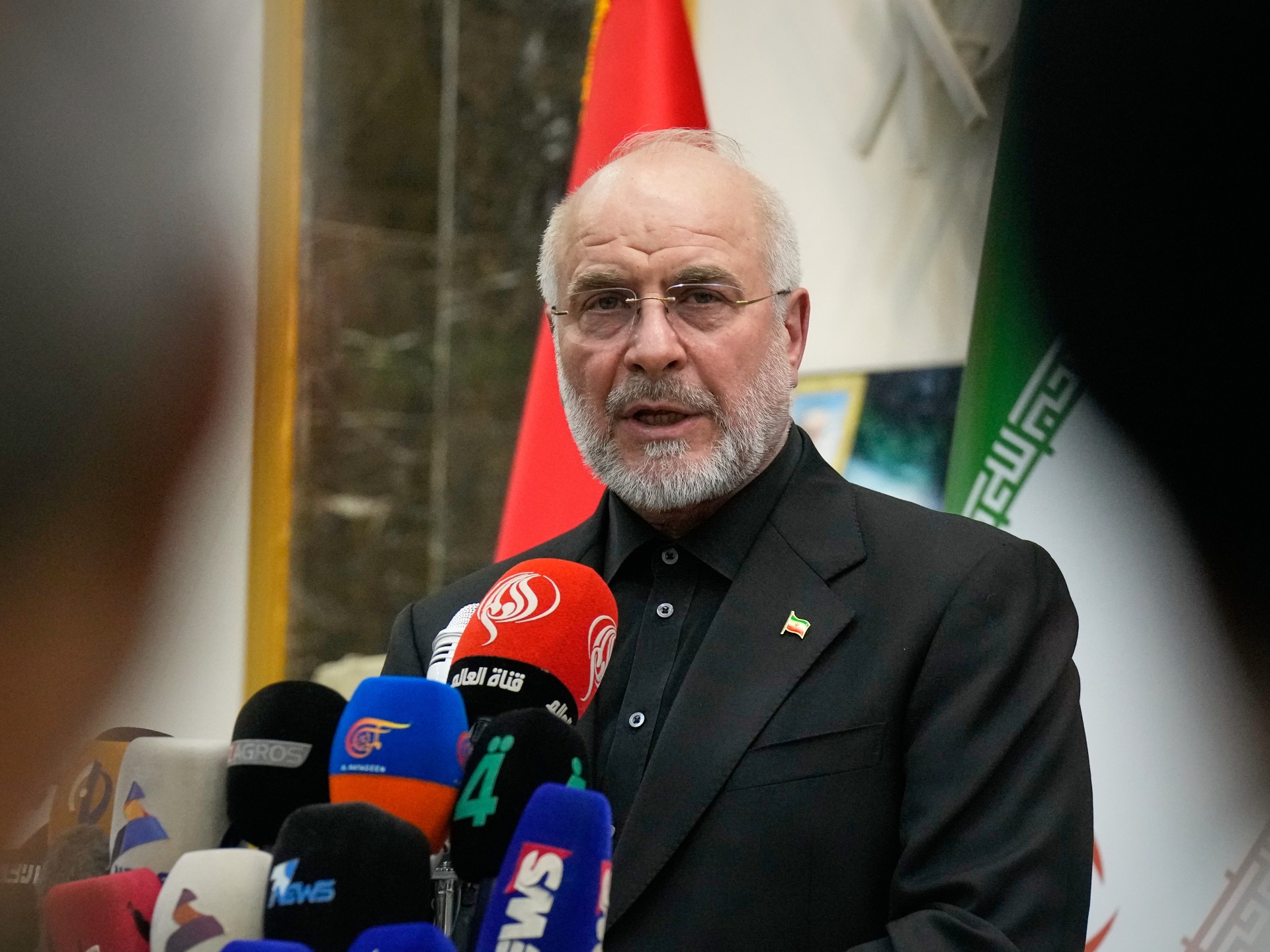
In an exclusive interview with Al Jazeera, Mohammad Bagher Ghalibaf, Iran's Parliament Speaker and chief negotiator, declared that the Strait of Hormuz will not revert to its pre-conflict status. The statement comes as Iran waits for a US response to its seven conditions for ending the eight-month war. According to Ghalibaf, Iran and Oman have agreed on joint oversight of the strategic waterway as part of Tehran's seven-point proposal to resolve the conflict. He emphasized that the Strait of Hormuz operates under the jurisdiction of the two coastal states and not international maritime law. Ghalibaf clarified that Iran has transmitted its peace conditions via a Qatari mediator, expressing readiness for dialogue but stating that the initiative lies with the US. The conditions include lifting naval blockades, easing sanctions, ceasing hostilities, and formally ending the war. These terms were stipulated in the Islamabad memorandum of understanding signed in June, and their implementation is a prerequisite for negotiations with the US, according to Ghalibaf. He expressed apprehension about potential US distrust but acknowledged that an agreement could be reached if Washington adheres to previously agreed terms without making unreasonable demands or engaging in actions that undermine trust.
In another development, US officials reportedly requested Russian President Vladimir Putin to facilitate direct negotiations with Tehran during a recent visit to Moscow. Ghalibaf cautioned against further US aggression towards Iran, predicting another defeat for President Donald Trump and increased political pressure from the incoming Congress in January. Ghalibaf also addressed the ongoing conflict in Yemen between government forces and the Houthis, stating that Iran would offer assistance if both parties requested it. Previously, Iran offered to mediate talks between Saudi Arabia and the Houthi group in October following a series of deadly attacks on the kingdom.
In an interview with Al Jazeera, Iran's Parliament Speaker and chief negotiator Mohammad Bagher Ghalibaf stated that the Strait of Hormuz will not return to its pre-conflict status. This remark comes as Iran awaits a US response to its seven conditions for ending the eight-month war. According to Ghalibaf, Iran and Oman have agreed on joint oversight of the strategic waterway as part of Tehran's seven-point proposal for resolving the conflict. He explained that the Strait of Hormuz operates under the jurisdiction of the two coastal states and not international maritime law. Ghalibaf confirmed that Iran has transmitted its peace conditions via a Qatari mediator, expressing readiness for dialogue but stressing that the initiative lies with the US. The conditions include lifting naval blockades, easing sanctions, ceasing hostilities, and formally ending the war. These terms were stipulated in the Islamabad memorandum of understanding signed in June, and their implementation is a prerequisite for negotiations with the US, according to Ghalibaf. He expressed concerns about potential US distrust but acknowledged that an agreement could be reached if Washington adheres to previously agreed terms without making unreasonable demands or engaging in actions that undermine trust.
In another development, US officials reportedly requested Russian President Vladimir Putin to facilitate direct negotiations with Tehran during a recent visit to Moscow. Ghalibaf warned against further US aggression towards Iran, predicting another defeat for President Donald Trump and increased political pressure from the incoming Congress in January. Ghalibaf also addressed the ongoing conflict in Yemen between government forces and the Houthis, stating that Iran would offer assistance if both parties requested it. Previously, Iran offered to mediate talks between Saudi Arabia and the Houthi group in October following a series of deadly attacks on the kingdom.
Iran's Parliament Speaker and chief negotiator Mohammad Bagher Ghalibaf told Al Jazeera that the Strait of Hormuz will not revert to its pre-conflict status. The comment comes as Iran waits for a US response to its seven conditions for ending the eight-month war. According to Ghalibaf, joint oversight of the strategic waterway has been agreed upon with Oman as part of Tehran's seven-point proposal for resolving the conflict. He clarified that the Strait of Hormuz is not governed by international maritime law but rather by the laws of the two coastal states. Ghalibaf confirmed that Iran has conveyed its peace conditions to the US via a Qatari mediator, expressing willingness for dialogue but insisting that the initiative lies with the US. The conditions include lifting naval blockades, easing sanctions, ceasing hostilities, and formally ending the war. These terms were stipulated in the Islamabad memorandum of understanding signed in June, and their implementation is a prerequisite for negotiations with the US, according to Ghalibaf. He expressed apprehension about potential US distrust but acknowledged that an agreement could be reached if Washington adheres to previously agreed terms without making unreasonable demands or engaging in actions that undermine trust.
In another development, US officials reportedly requested Russian President Vladimir Putin to mediate direct negotiations with Tehran during a recent visit to Moscow. Ghalibaf cautioned against further US aggression towards Iran, predicting another defeat for President Donald Trump and increased political pressure from the incoming Congress in January. Ghalibaf also addressed the ongoing conflict in Yemen between government forces and the Houthis, stating that Iran would offer assistance if both parties requested it. Previously, Iran offered to mediate talks between Saudi Arabia and the Houthi group in October following a series of deadly attacks on the kingdom.