German Coalition Unveils Comprehensive Reform Package to Boost Economy and Counter Far-Right Surge
In a bid to revitalize Europe's largest economy and counter the rising influence of far-right parties, Germany's ruling coalition, led by Chancellor Friedrich Merz, has announced a wide-ranging…
By Global Focus Wire Desk
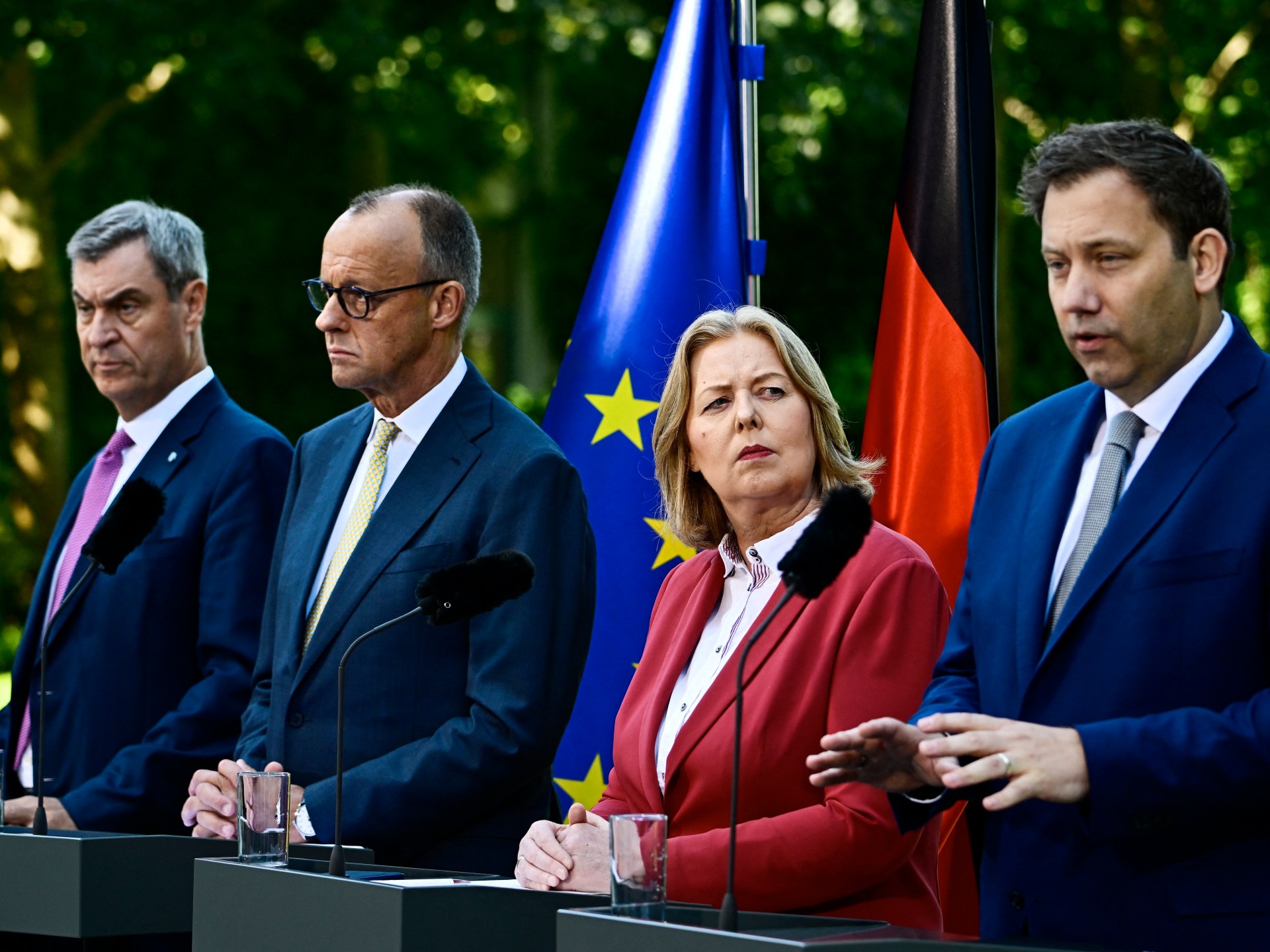
In a bid to revitalize Europe's largest economy and counter the rising influence of far-right parties, Germany's ruling coalition, led by Chancellor Friedrich Merz, has announced a wide-ranging reform package. The "Programme for Revival and Employment," unveiled on Thursday, includes approximately €10 billion ($11.4bn) in annual income tax relief for lower and middle-income earners, effective from January 1, 2027. The package also proposes significant changes to the pension system, stricter rules for employee sick leave, and a reduction of bureaucratic hurdles. Financing for the tax relief is primarily through restructuring the surcharge on high incomes. The coalition, which includes the centre-left SPD and Merz's centre-right CDU, faced intense pressure to break months of internal deadlock, with critical eastern state elections scheduled for September. The reforms aim to cut red tape, protect the welfare state, and ease the burden on companies struggling with high energy costs, intense competition from China, and US tariff pressures. To combat absenteeism, the package abolishes the pandemic-era policy of telephone-issued sick notes and requires a doctor's certificate from the first day of illness. It also eases labor laws, extends the maximum duration of fixed-term contracts without cause to 48 months, and eliminates various corporate reporting obligations. On pensions, the coalition pledges to implement all 33 recommendations of the government-appointed pension commission, with legislation to be completed by year's end. The proposals link the retirement age to life expectancy after 2031, potentially pushing it beyond the current legislated ceiling of 67 and towards 70 by the 2090s. Economists at Deutsche Bank have hailed the reform package as one of Germany's biggest in decades, expressing optimism that it will boost economic growth in the second half of the year. However, the measures still require approval from the Bundestag and the Bundesrat, with concerns about potential revenue shortfalls.
Filed underBusiness
More stories
Business
Palestinian Teenager Killed, Two Injured in West Bank Clash with Israeli Forces
— Global Focus Wire Desk
Business
Qantas Outsources Corporate Jobs to Accenture, Shifting Roles Mainly to India for IT Modernization
— Global Focus Wire Desk
Business
Nvidia Investigates CEO's Affair with Alleged Spy, Shares Plummet by $250 Billion
— Global Focus Wire Desk
Business
Pope Leo XIV Calls for Economy to Serve People, Not Vice Versa, During Argentina Visit
— Global Focus Wire Desk
Business
U.S.-Canada Trade Dispute Escalates Amidst Trump's Assertion of American Power
— Global Focus Wire Desk
Business
Israeli Parliamentarian Vandalizes Palestinian Memorial with Sledgehammer in West Bank
— Global Focus Wire Desk