Europe Faces Fifth Consecutive Heatwave, Threatening Agriculture and Water Supplies
Extreme heat warnings have been issued across Britain and France as temperatures are expected to reach mid-30 degrees Celsius (mid-90 degrees Fahrenheit) this week.
By Global Focus Wire Desk
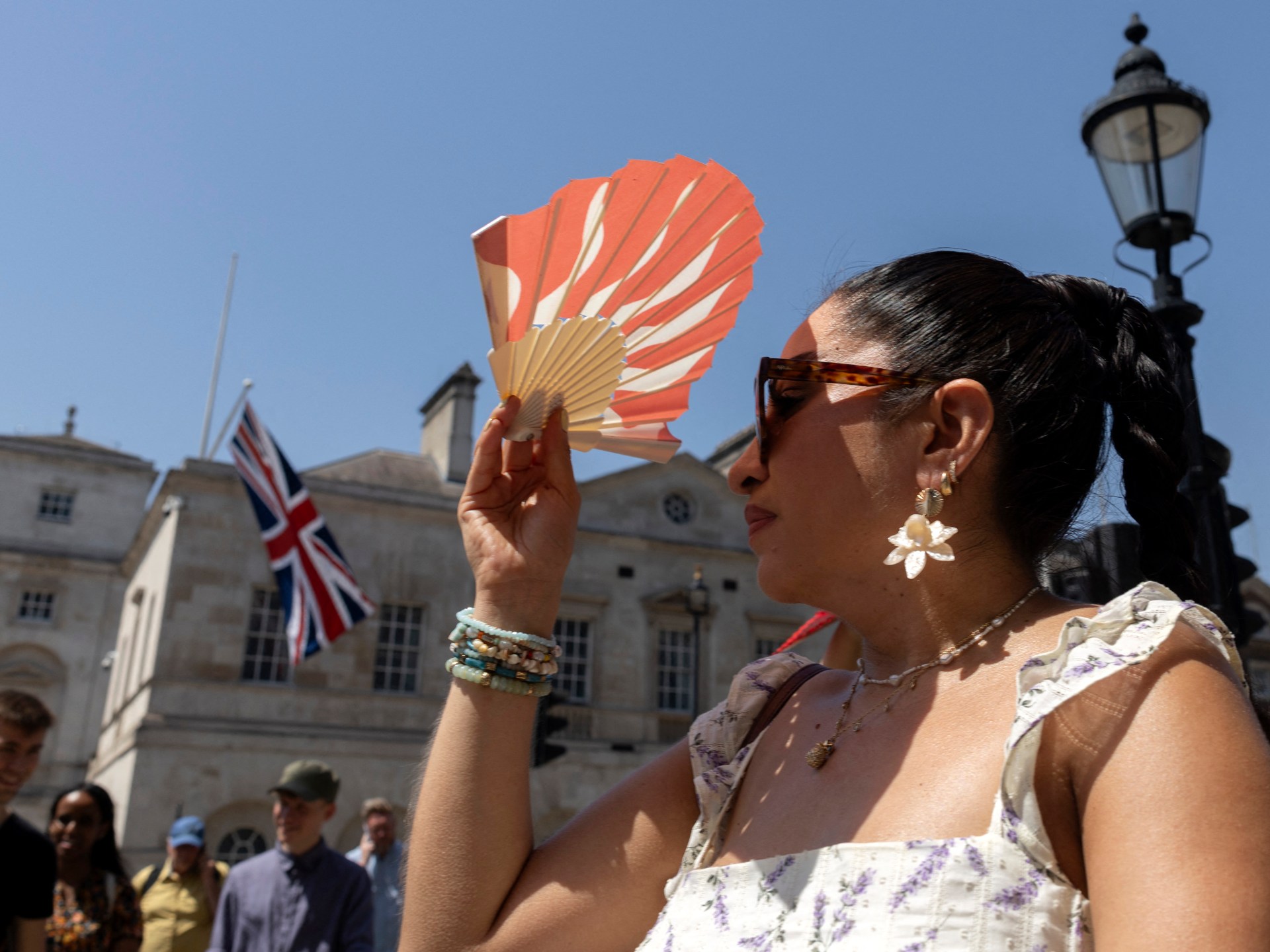
Extreme heat warnings have been issued across Britain and France as temperatures are expected to reach mid-30 degrees Celsius (mid-90 degrees Fahrenheit) this week. This comes after record-breaking temperatures in June and July that triggered wildfires, depleted rivers, and contributed to thousands of deaths across Europe. The British Environment Agency's Director of Sustainable Business and Development, Tony Grayling, has expressed concern about the impact on farming and the environment. In response, the British government has imposed irrigation restrictions on farmers and implemented a hosepipe ban in certain regions. Meanwhile, France has applied water-use restrictions on 70% of the country due to worsening drought conditions amid successive heatwaves. Activities such as gardening, swimming pool filling, car washing, and crop irrigation are affected by these restrictions. Spain experienced its joint-hottest July since records began in 1961, with scorching temperatures fueling the country's largest wildfire to date. Last month was also mainland Spain's driest July on record, with only 4.3 millimeters of rainfall – just 26% of the normal precipitation for the time of year. Parched conditions are exacerbating wildfires in Greece and Spain, including in Andalusia where firefighters are finding it difficult to control blazes that have forced nearly 500 evacuations. Additionally, low water levels due to high summer temperatures and low rainfall are posing a threat to navigation on the Rhine river in Germany, with commercial shipping expected to be affected. Europe, being the fastest-warming continent due to climate change, is also forecasting soaring temperatures in Switzerland, Austria, and Hungary.
Filed underWorld
More stories
World
Ancestral Naga Skulls Returned to Nagaland by Oxford Museum for a Joint Memorial and Burial
— Global Focus Wire Desk
World
Stranded Round-the-World Cruise Ship Seized in Singapore after Operator's Financial Collapse
— Global Focus Wire Desk
World
US, Russia, and Ukraine Hold Talks in Abu Dhabi to End War in Ukraine
— Global Focus Wire Desk
World
European Diplomats Advocate for Involvement in Russia-Ukraine Negotiations at G7 Meeting
— Global Focus Wire Desk
World
Global Energy Tussle: US-China Rivalry and Its Impact on Household Bills Worldwide
— Global Focus Wire Desk
World
Honduran Court Delays Verdict in Sex-Trafficking Case Linked to Angie Pena's Disappearance
— Global Focus Wire Desk