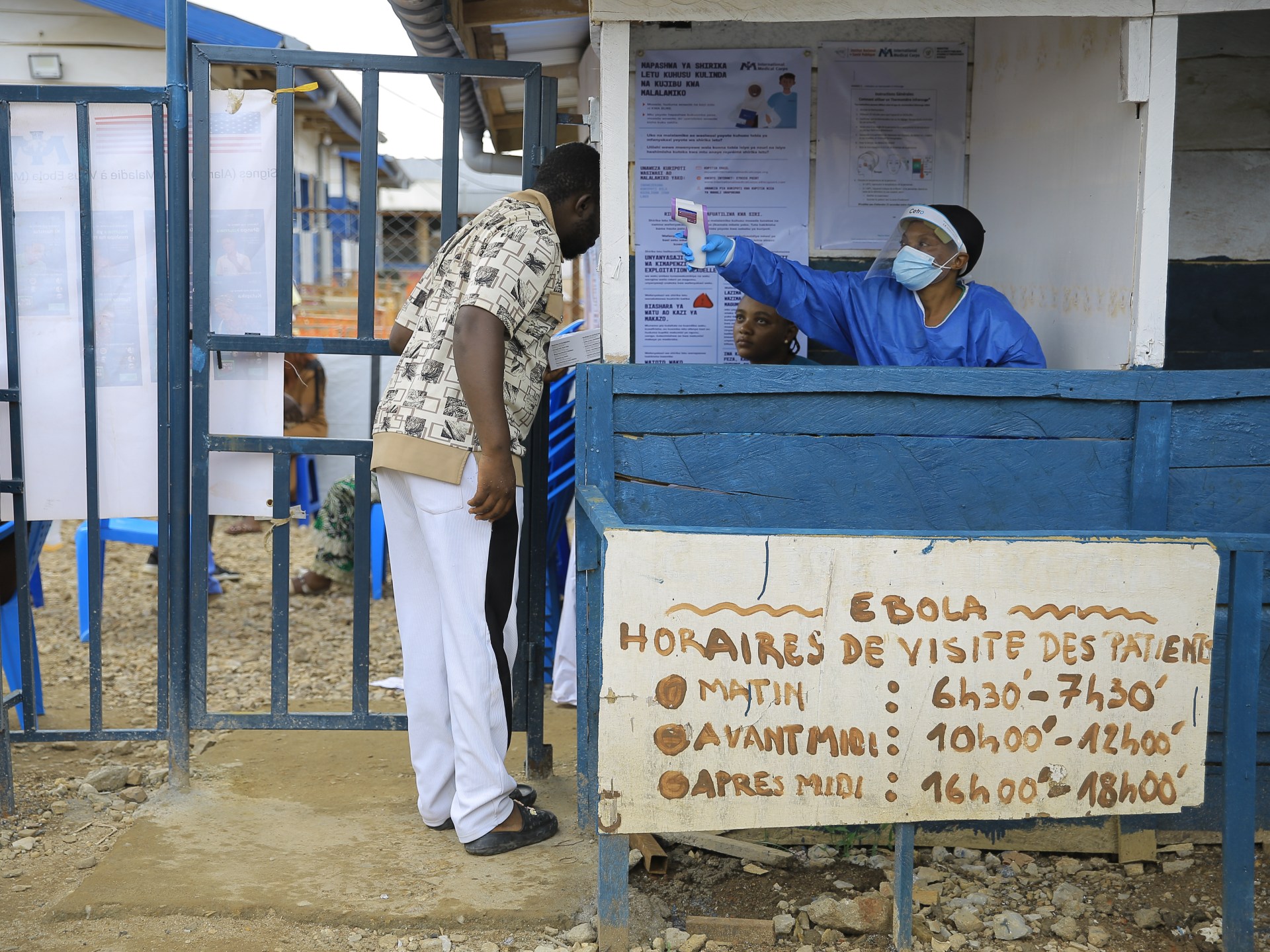
The Democratic Republic of the Congo (DRC) has reported a total of 11,042 confirmed Ebola cases, with at least 5,387 deaths, according to official figures released on Tuesday. This makes it the largest and deadliest Ebola outbreak in the country's history. The outbreak, caused by the rare Bundibugyo strain of the Ebola virus, has affected eight of DRC's 26 provinces. Many deaths have occurred outside treatment centers due to delayed detection, ongoing conflict, and strained health services. The outbreak's geographic spread is wider than any previous Ebola outbreak in Africa, with cases now reported in East, Central, and West Africa. Containment has been challenging as no vaccine or treatment has been developed specifically for the Bundibugyo strain, which kills about half of those it infects. The World Health Organization (WHO) recently approved clinical trials for two new Ebola vaccines, with results expected in early 2027.
PARAGRAPH 1:
The ongoing Ebola outbreak in the Democratic Republic of the Congo (DRC) has reached a staggering milestone, with over 11,000 confirmed cases and nearly 5,400 deaths. This is the largest and deadliest Ebola outbreak ever recorded in the DRC, surpassing even the devastating 2014-2016 West African epidemic that infected more than 28,600 people and killed over 11,000.
PARAGRAPH 2:
The outbreak has been particularly challenging to contain due to delayed detection, ongoing conflict, and strained health services in the affected areas. Eight of DRC's 26 provinces have been impacted, with many deaths occurring outside treatment centers. The Ebola virus responsible for this outbreak is the Bundibugyo strain, a rare variant that has proven difficult to combat as no vaccine or treatment has been specifically developed for it.
PARAGRAPH 3:
The World Health Organization (WHO) recently approved clinical trials for two new Ebola vaccines, with results expected in early 2027. Despite the challenges, the geographic spread of this outbreak is wider than any previous Ebola outbreak in Africa, with cases now reported in East, Central, and West Africa. The WHO continues to work closely with the DRC government and international partners to contain the outbreak and provide support to affected communities.