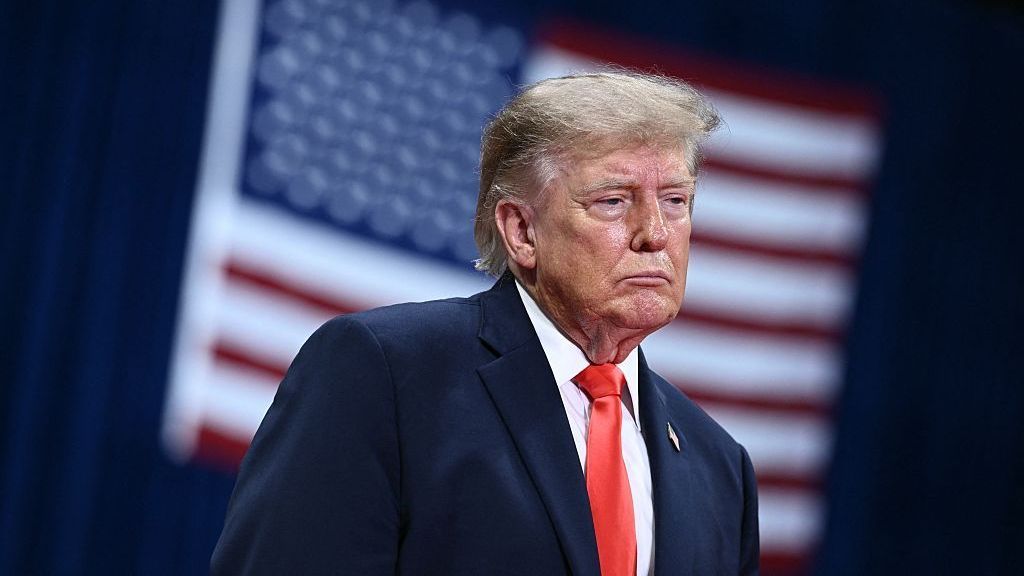
In a recent ruling, a federal judge in Florida has given the green light for US President Donald Trump's defamation case against the British Broadcasting Corporation (BBC) to move forward. The lawsuit, worth $10 billion, was initially filed due to an episode of BBC's Panorama that allegedly manipulated a speech delivered by Trump before the riot at the Capitol in 2021. However, Judge Jeffrey Kuntz dismissed another part of the lawsuit under Florida's unfair trade practices law, asserting that the documentary did not constitute commercial speech. Trump hailed this decision as a "huge victory" in a post on Truth Social, while the BBC expressed surprise but respect for the court's authority, maintaining confidence in their position.
Trump accuses the BBC of intentionally and maliciously doctoring his speech outside the Capitol on 6 January 2021, a claim that led to the broadcaster apologizing for giving a false impression that Trump had made a direct call for violent action. The BBC has asked the court to dismiss the lawsuit, arguing that the program does not meet the legal criteria for defamation and was not available in the US. In addition to defamation, Trump claimed in the lawsuit that the BBC violated Florida law, specifically the Deceptive and Unfair Trade Practices Act. Judge Kuntz's ruling dismissed this part of the lawsuit.
Judge Kuntz did not make a decision on the merits of the case but found Trump's defamation allegations against the BBC sufficient for the case to continue. The judge ordered Trump last month to answer questions under oath in the lawsuit by 11 December, following Trump's cancellation of a previous deposition due to "matters of national importance." A lawyer representing the BBC argued in court that Trump was campaigning in Georgia on the scheduled day and prioritized this over answering their questions.
The BBC has since retracted its claim that the documentary was available on its BritBox subscription service or on its website, BBC Select, or through US broadcasters. Trump ultimately agreed to drop BBC Studios, the broadcaster's commercial arm, from his defamation lawsuit after the BBC argued that it had "no role in creating or producing the documentary."